$355,777
Active
2
Beds
1
Baths
732
Sqft
0.1722
Acres
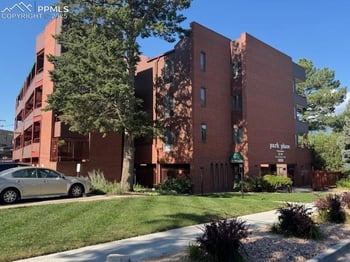
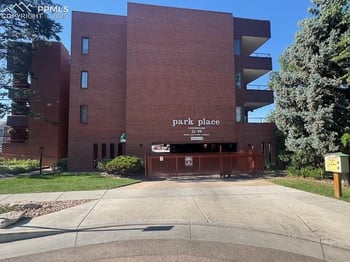
611 Maple St, Colorado Springs, CO 80903
MLS#: 6612899


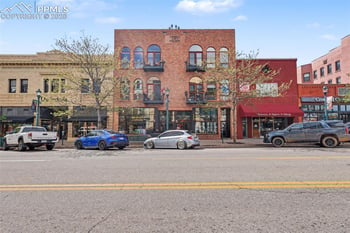
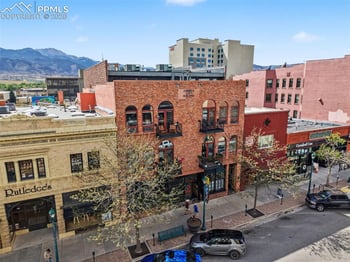
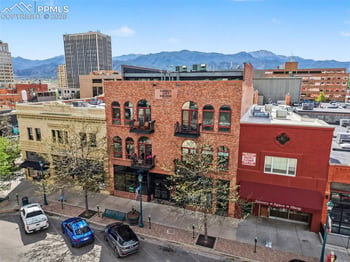


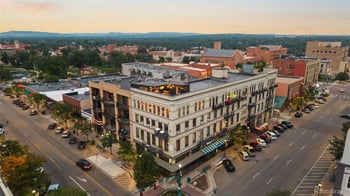

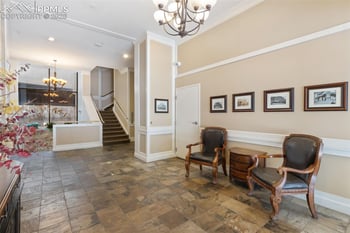
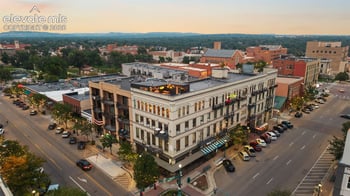



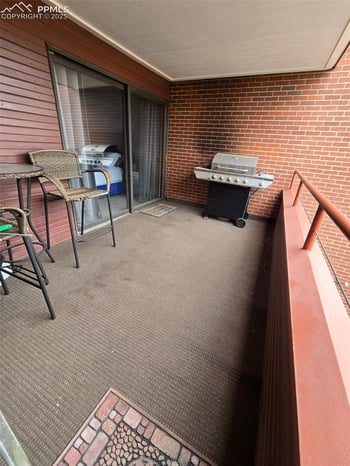
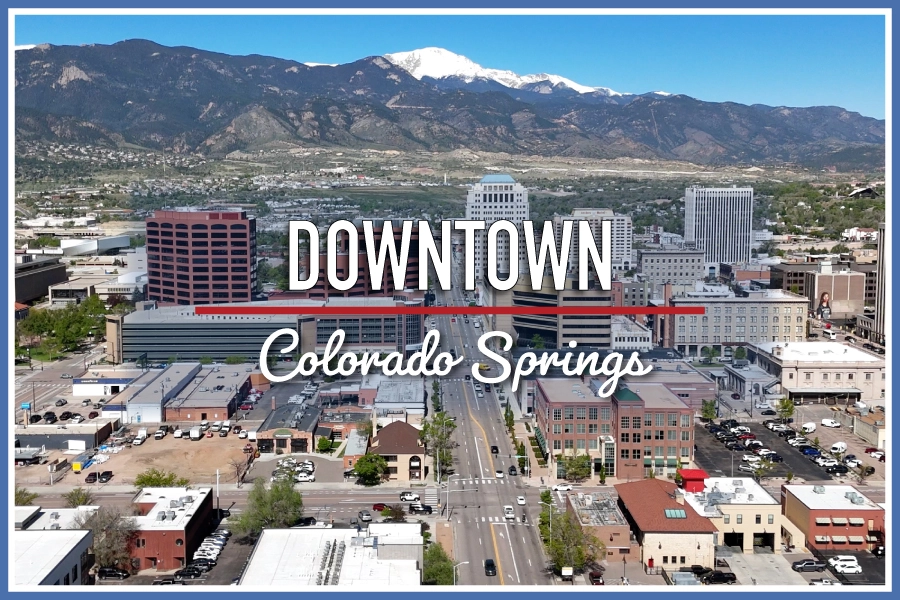
Downtown Colorado Springs homes for sale are usually a different search than the suburban neighborhoods around the city. You will see historic houses, renovated properties, condos, townhomes, small-lot homes, and a limited number of newer infill projects. Inventory can be narrow, so buyers often compare condition, parking, walkability, HOA costs, and renovation quality before focusing only on price.
The listing feed above shows the current Downtown Colorado Springs real estate market, including active homes and live market stats. When I look at homes in this area, I pay close attention to roof age, sewer line condition, foundation movement, off-street parking, zoning, and whether the property has been updated in a way that fits the age of the home.
Downtown appeals to buyers who want shorter access to local restaurants, offices, events, trails, coffee shops, parks, and the central business district. Tejon Street, Acacia Park, Colorado College, the U.S. Olympic & Paralympic Museum, and America the Beautiful Park help shape daily life here.
The trade-off is that homes can vary a lot from block to block. Some properties feel polished and move-in ready, while others need deeper inspection work. Buyers also compare Downtown with Old North End, Central Colorado Springs, and Old Colorado City when they want an older-home setting near the city core.
Downtown has a mix of older single-family homes, small multifamily properties, condos, loft-style spaces, and townhomes. Many detached homes were built long before the newer master-planned communities on the north and east sides of town. That makes condition more important here. Updated plumbing, electrical work, windows, insulation, and sewer lines can matter as much as square footage when comparing two listings.
Downtown is usually the better fit when walkability, events, restaurants, and central access matter most. Old North End often has larger historic homes and a more residential feel. Old Colorado City adds westside character and easier access toward Garden of the Gods. Central Colorado Springs gives buyers a broader search area with more variation in price, home age, and lot size.
Downtown homes need a more practical showing checklist than many suburban listings. Off-street parking, alley access, garage size, street parking, short-term rental rules, nearby commercial uses, and event traffic can all affect daily life. If a property is a condo or townhome, read the HOA documents carefully. Monthly dues, building maintenance, rental rules, parking assignments, and insurance coverage can change the real cost of ownership.
Downtown is more connected to outdoor space than many buyers expect. The Legacy Loop trail system circles the greater downtown area, and Downtown Partnership notes that five downtown parks cover nearly 200 acres. Acacia Park, America the Beautiful Park, Antlers Park, and Monument Valley Park are all part of the area’s appeal. Homes closer to these spaces may command more attention, but condition and parking still need a close review.
Most Downtown Colorado Springs addresses are associated with Colorado Springs School District 11, but school boundaries should be checked by property address. Downtown buyers sometimes compare nearby school-district pages when they are deciding between central, north, and westside locations. You can also browse District 11 homes for sale or review all homes by school district on Great Colorado Homes.
Great Colorado Homes helps buyers compare Downtown Colorado Springs homes with a local eye for older-home condition, parking, zoning, HOA details, and resale factors. If you want help narrowing the listings or scheduling showings, call us at 719-357-7366. We will help you sort through the options before you spend time on the wrong properties.