New - 1 Day Ago


$500,000
Active
3
Beds
2
Baths
2612
Sqft
0.168
Acres
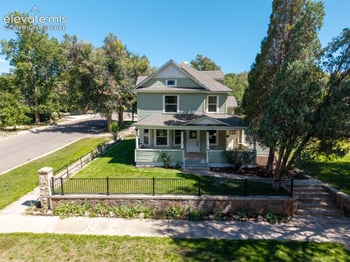
1919 W Colorado Ave, Colorado Springs, CO 80904
MLS#: 1837095


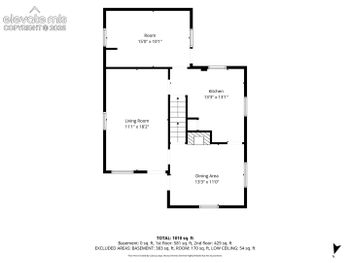
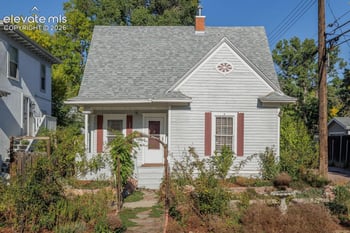
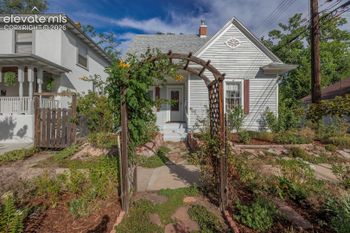


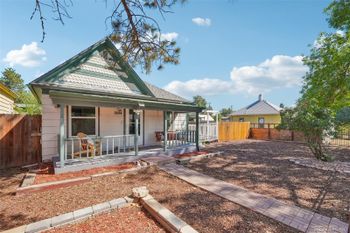


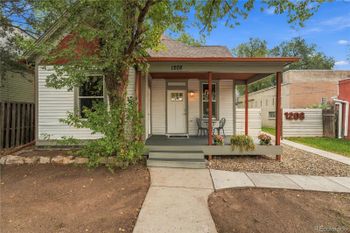


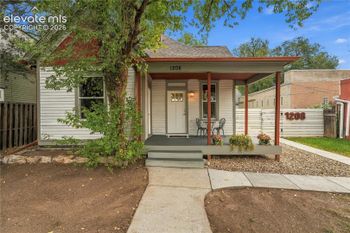


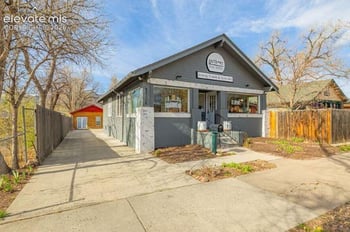


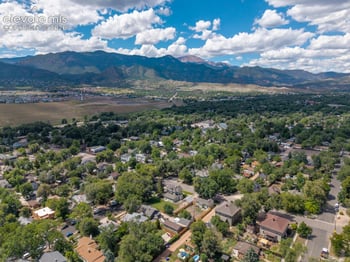
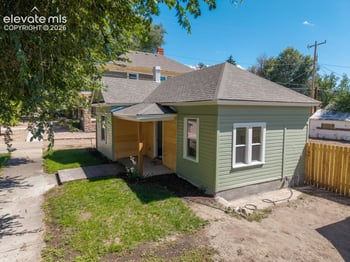
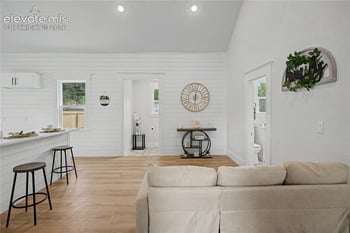
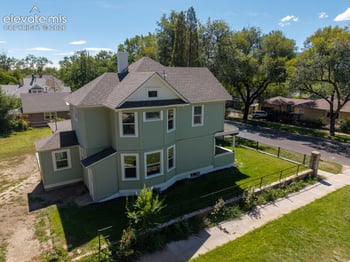
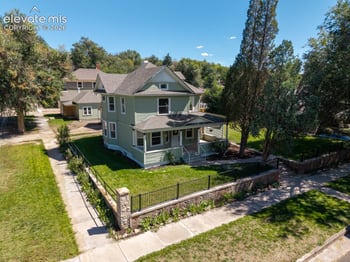
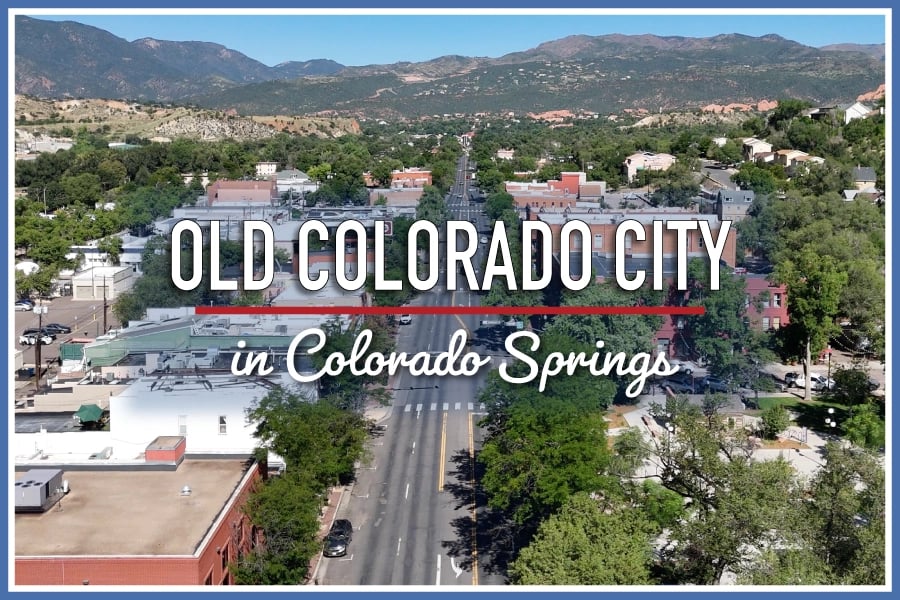
Old Colorado City homes for sale sit inside the neighborhood that predates Colorado Springs itself. Founded in 1859 as Colorado City, it served the Pikes Peak gold rush and briefly held the title of territorial capital before Colorado Springs was platted a few miles east in 1871 and eventually absorbed it. That founding-town status shows up directly in the listings above. Most of the inventory is resale, built between the 1880s and the 1920s, and buyers are comparing lot size, restoration level, and proximity to Colorado Avenue's shopping district more than they're comparing floor plans.
The neighborhood's rough boundaries run along Highway 24 to the south, 32nd Street to the west, 13th Street to the east, and Uintah Street to the north, with the original town square now standing as Bancroft Park. A stretch of Colorado Avenue between 24th and 26th streets and a block of Court Street are listed on the National Register of Historic Places. This isn't just a marketing label; it's a protected commercial core with real restoration standards behind the storefronts.
Two homes on the same block here can price hundreds of thousands apart, and it usually comes down to what's behind the walls rather than the lot itself. A fully rewired, replumbed Victorian with a modern furnace and updated foundation work competes with renovated mansions in the Old North End. A cottage that still has its original knob-and-tube wiring or a dirt-floor crawlspace sells well under the neighborhood average, even with the same square footage and the same walk to Colorado Avenue.
I walk buyers through both ends of that spectrum regularly. On the unrestored side, I want to see the electrical panel and ask directly when the wiring was last touched, because insurance carriers increasingly balk at knob-and-tube regardless of how well it's held up. On the restored side, I ask for permits for the renovation work, since much of Old Colorado City's rehab happened before the city tightened its historic-overlay permitting, and an unpermitted foundation fix can complicate a future sale even if the work itself was solid.
Workman's cottages and bungalows fill most of the side streets off Colorado Avenue, typically under 1,200 square feet on lots that were platted for foot traffic and horse-drawn access, not two-car garages. Larger Queen Anne and Italianate homes cluster closer to the historic core, some of which were converted into duplexes or short-term rentals decades ago. Lot sizes vary block to block more than they do in newer subdivisions, so a buyer set on a specific yard size should walk the actual parcel before assuming the listing photos tell the full story.
There's no builder actively developing new phases inside Old Colorado City itself, since the neighborhood has been built out for over a century. What does appear is scattered infill: a townhome or duplex built on a combined lot, or a full-gut rebuild that keeps a historic facade while replacing everything behind it. Buyers who want new construction with an Old Colorado City address usually end up looking at Gold Hill Mesa instead, the newer master-planned community built on the old Golden Cycle Mill site just south of the historic district, which trades Victorian character for modern floor plans and HOA-maintained streetscapes.
A lot of the appeal here has nothing to do with the house itself. Colorado Avenue's shops, restaurants, and the Saturday farmers market at Bancroft Park are a short walk from most addresses, and that walkability is part of why buyers accept smaller lots and older systems than they might tolerate elsewhere in Colorado Springs. Off-street parking is inconsistent, though, and it's worth checking during a showing whether a listing has a real garage, a shared alley, or just street parking, since that detail affects daily life here more than it would in a typical suburban search.
Old Colorado City falls within Colorado Springs School District 11's Westside schools, though exact elementary assignment can shift depending on which side of the neighborhood a home falls in. I always tell buyers to confirm the specific address with the district rather than assume a neighbor's school assignment carries over to a different block.
I'm Andrew Fortune with Great Colorado Homes, and our team spends a lot of time in Colorado Springs' older neighborhoods, including the historic district here and the comparable stock over in the Old North End. Buying a century-old home is a different process from buying new construction, from the inspection checklist to the insurance conversation, and we walk every buyer through that before they get attached to a specific house. If you're relocating from out of state, our guide to moving to Colorado covers the broader timeline, and our guide to common home inspection issues is worth a read before touring anything built before 1950. Call 719-357-7366 or reach out here to talk through which block and which restoration level fit what you're looking for.