New - 1 Day Ago


$255,000
Active
2
Beds
2
Baths
992
Sqft
--
Acres
6816 Overland Dr, Colorado Springs, CO 80919
MLS#: 9001825


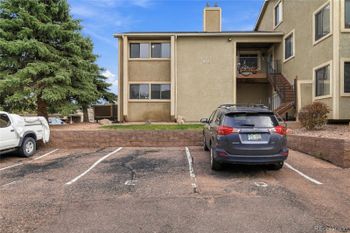


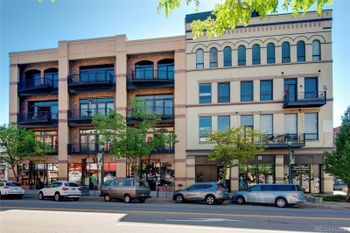


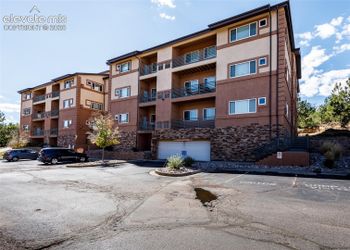

Condos for sale in Colorado Springs give buyers a way to own property with less exterior maintenance than many detached homes. The trade-off is that the HOA, building insurance, financing rules, reserves, parking, and shared-maintenance responsibilities matter more than they do in a standard single-family home search.
Most condos are owned from the interior walls in, while the association usually manages the building exterior, common areas, roof, landscaping, and other shared elements. The exact setup depends on the community documents. Some condos feel like apartment-style units, while others live more like attached homes or patio-style properties.
Colorado Springs condo inventory can appear near Downtown Colorado Springs, Old Colorado City, central Colorado Springs, Briargate, and along the Powers corridor. Buyers comparing attached housing should also review Colorado Springs townhomes, as the ownership structure, HOA coverage, and financing rules can vary.
Condos can work well for buyers who want a smaller footprint, a simpler maintenance plan, or a lower-maintenance home near work, trails, shopping, or military access. They can also be useful for buyers who travel often or do not want to manage exterior repairs directly. The right condo is usually the one with clean HOA documents, healthy reserves, practical parking, and a monthly cost that still makes sense after dues are included.
The listing feed above shows current Colorado Springs condos for sale, but the HOA packet tells the deeper story. Before choosing a unit, compare the full monthly payment, building condition, owner responsibilities, financing eligibility, and resale rules.
Condos and townhomes are both attached-property options, but they are not the same. A condo owner often owns the interior unit while sharing ownership or responsibility for common elements. A townhome may include more direct ownership of the structure or land, depending on how the community is recorded.
This difference can affect lending, insurance, repairs, HOA dues, and resale. If you are not sure which property type fits your search, compare Colorado Springs condos with Colorado Springs townhomes before focusing only on price.
Condo HOA dues may cover exterior maintenance, roof reserves, building insurance, trash, water, sewer, landscaping, snow removal, elevators, amenities, or common-area repairs. Some associations cover a lot. Others have lower dues but leave more costs with the owner.
Review the budget, reserve study, insurance policy, meeting minutes, rules, and any planned repairs. Colorado condo associations often fall under common interest community rules, so the Colorado Common Interest Ownership Act summary can help buyers understand the legal framework behind many HOA communities.
Condo options are scattered across the city, but some areas tend to offer more choices. Downtown and central Colorado Springs can appeal to buyers who want shorter drives to restaurants, offices, parks, and older neighborhoods. Old Colorado City and west-side areas may offer smaller communities near trails and historic districts.
Briargate, northeast Colorado Springs, and the Powers corridor often have newer attached-home communities, sometimes with garages, newer finishes, and easier access to shopping and commute routes. Buyers who need a specific part of town can start with homes by zip code or review Colorado Springs neighborhoods and local communities.
Condo financing can involve more review than a detached home purchase. Lenders may look at the association budget, insurance, reserves, owner-occupancy levels, pending litigation, commercial space, delinquency rates, and whether the project meets loan guidelines.
This matters for conventional loans, FHA loans, and VA loans. If a buyer is using VA financing or relocating for the military, it may also help to compare condo options with homes near Fort Carson. For a broader look at loan steps, read our mortgage loan process guide.
Parking can be one of the biggest quality-of-life differences between condo communities. Some units include a private garage, carport, reserved space, or storage closet. Others rely on open parking, street parking, or shared lots with guest restrictions.
Check the parking map, guest rules, EV charging options, bike storage, pet areas, trash location, elevator access, stair access, and storage space. A condo can look clean online but feel inconvenient if the parking, storage, or building access does not match your daily routine.
A condo inspection should cover the interior unit, but buyers also need to understand the building. Roof age, exterior condition, drainage, decks, balconies, windows, mechanical systems, and past water intrusion can all affect future costs through the HOA.
Ask how the master insurance policy works and what your owner policy needs to cover. Deductibles, loss assessments, and gaps between the HOA policy and your personal policy can change the risk profile. Our guide to common fees when buying a house is a helpful companion when comparing the real monthly cost.
The condo documents can matter as much as the unit itself. A well-kept unit in a weak association can create problems later, while a plain-looking unit in a well-managed building may be easier to own.
Condos can be a good fit when the association is well-managed and the unit matches your daily needs. The safest comparison is the full ownership picture, not just the list price.
Great Colorado Homes helps buyers compare Colorado Springs condos with a close look at HOA documents, building condition, financing rules, insurance, parking, and resale factors. We can help you sort through the listings and decide which condo communities are worth a closer look.
Call 719-357-7366 to talk with a local Colorado Springs real estate agent about condos for sale.