













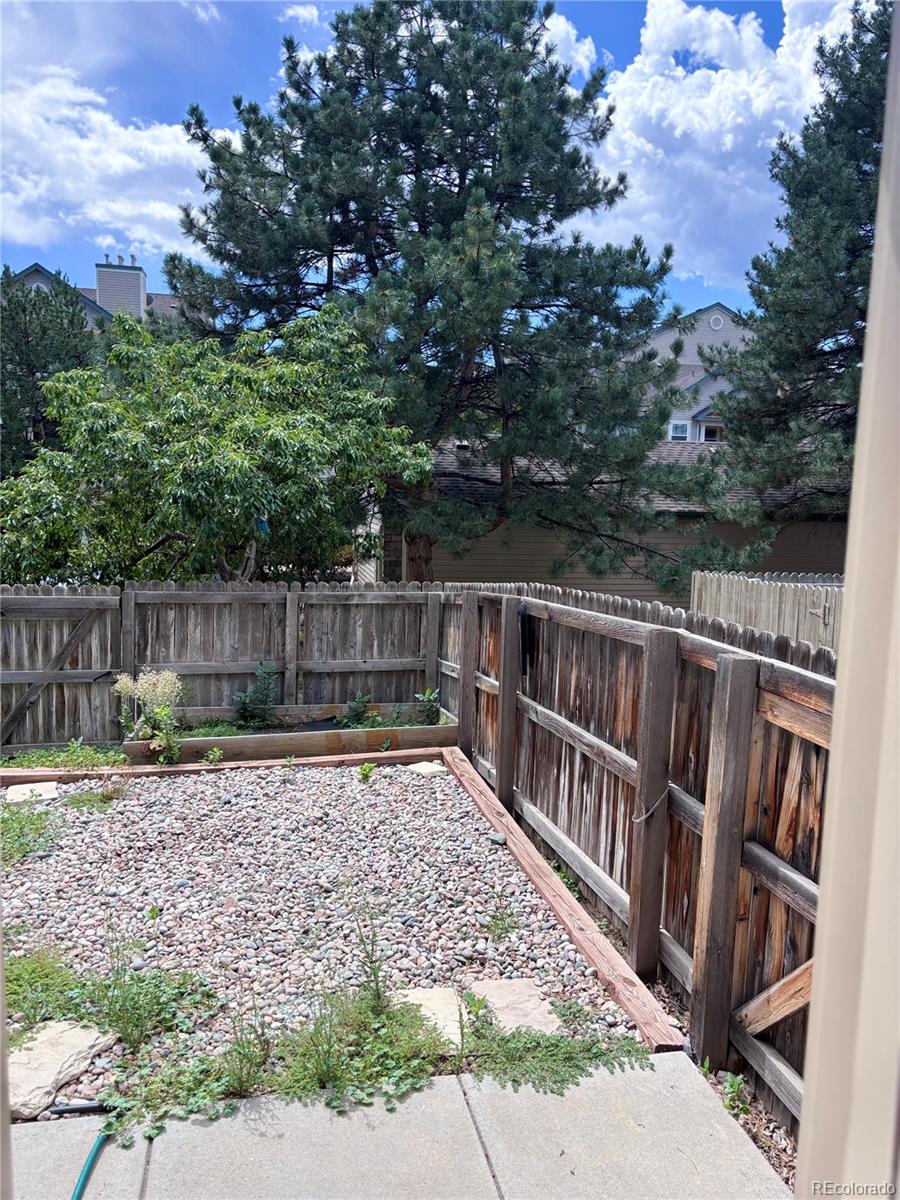
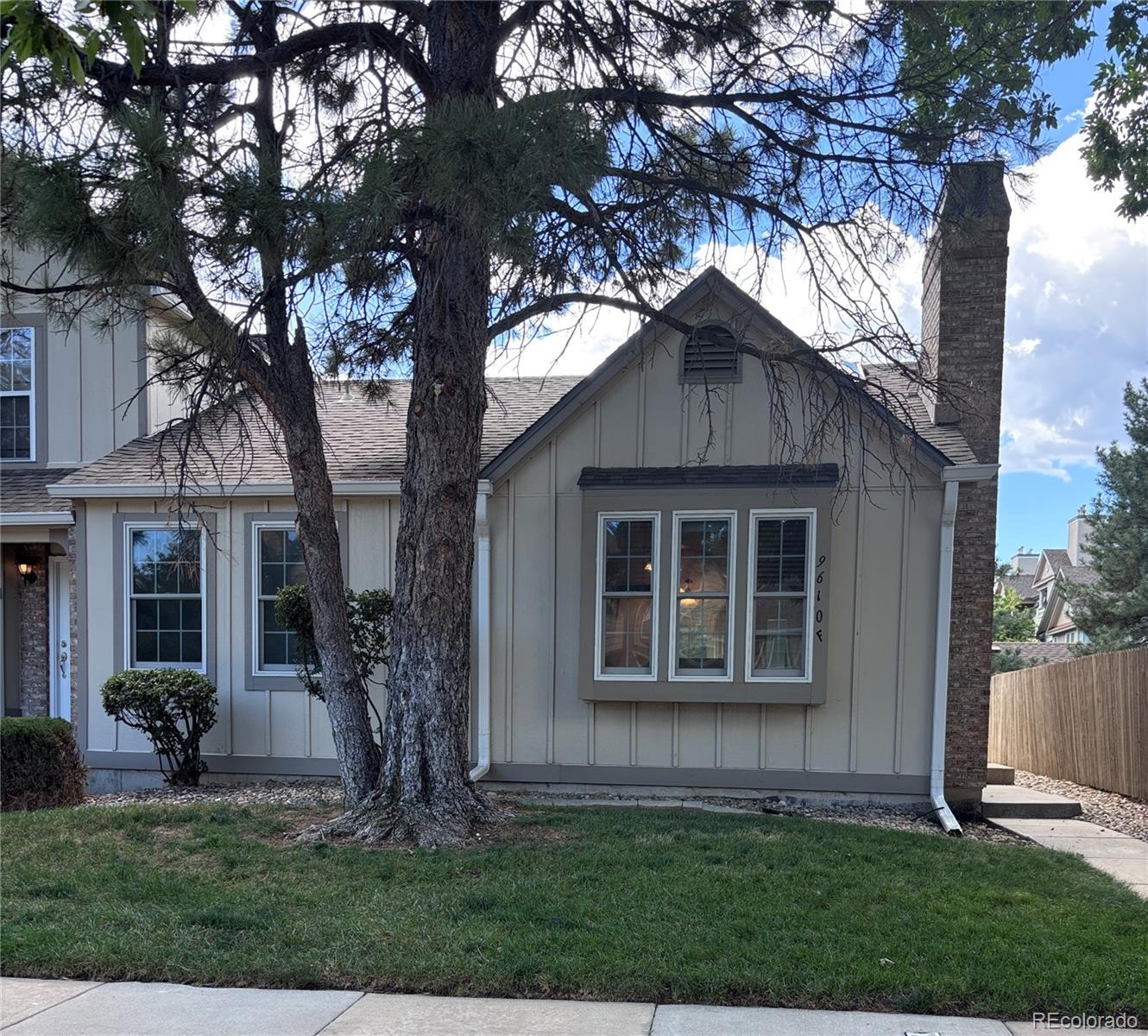
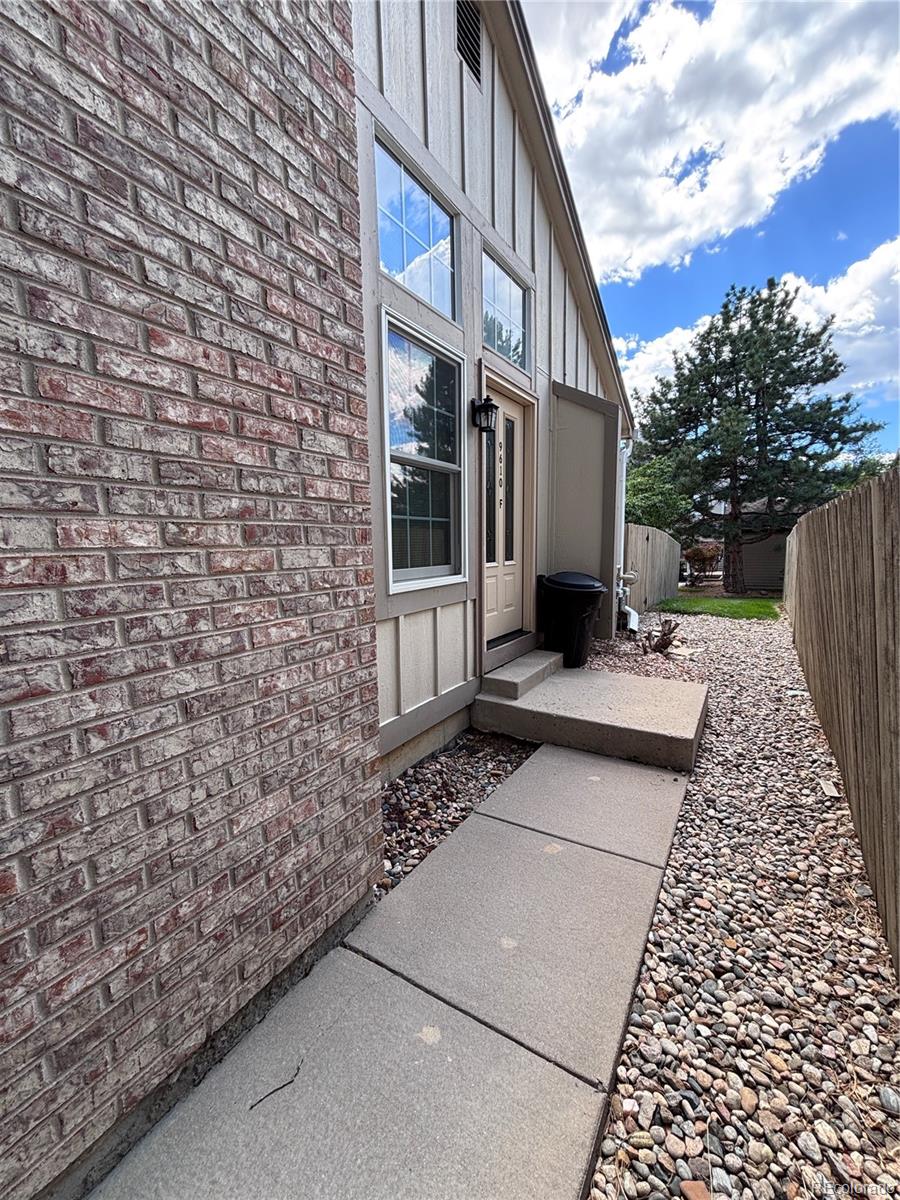
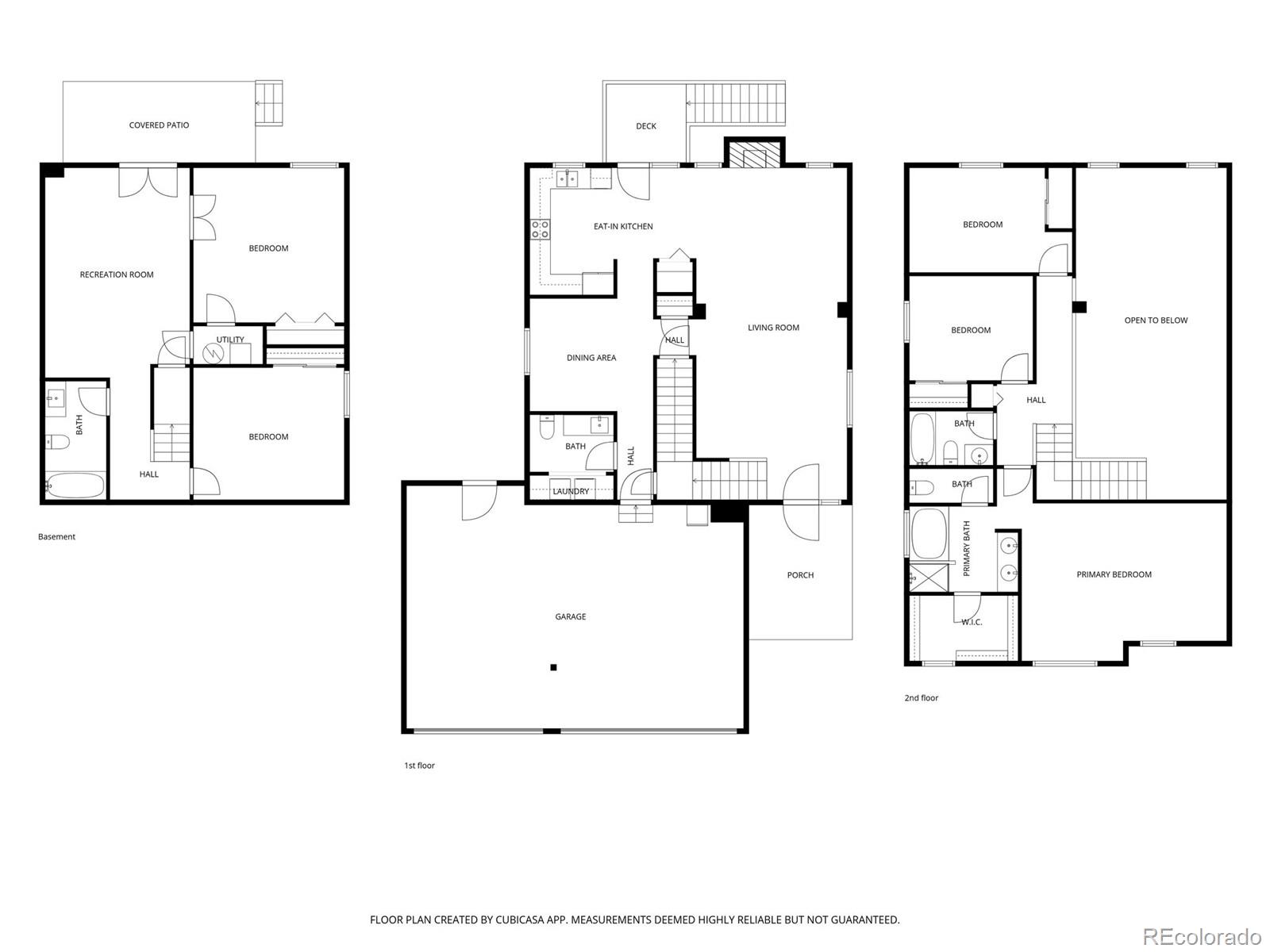

Interactive Map Coming Soon.
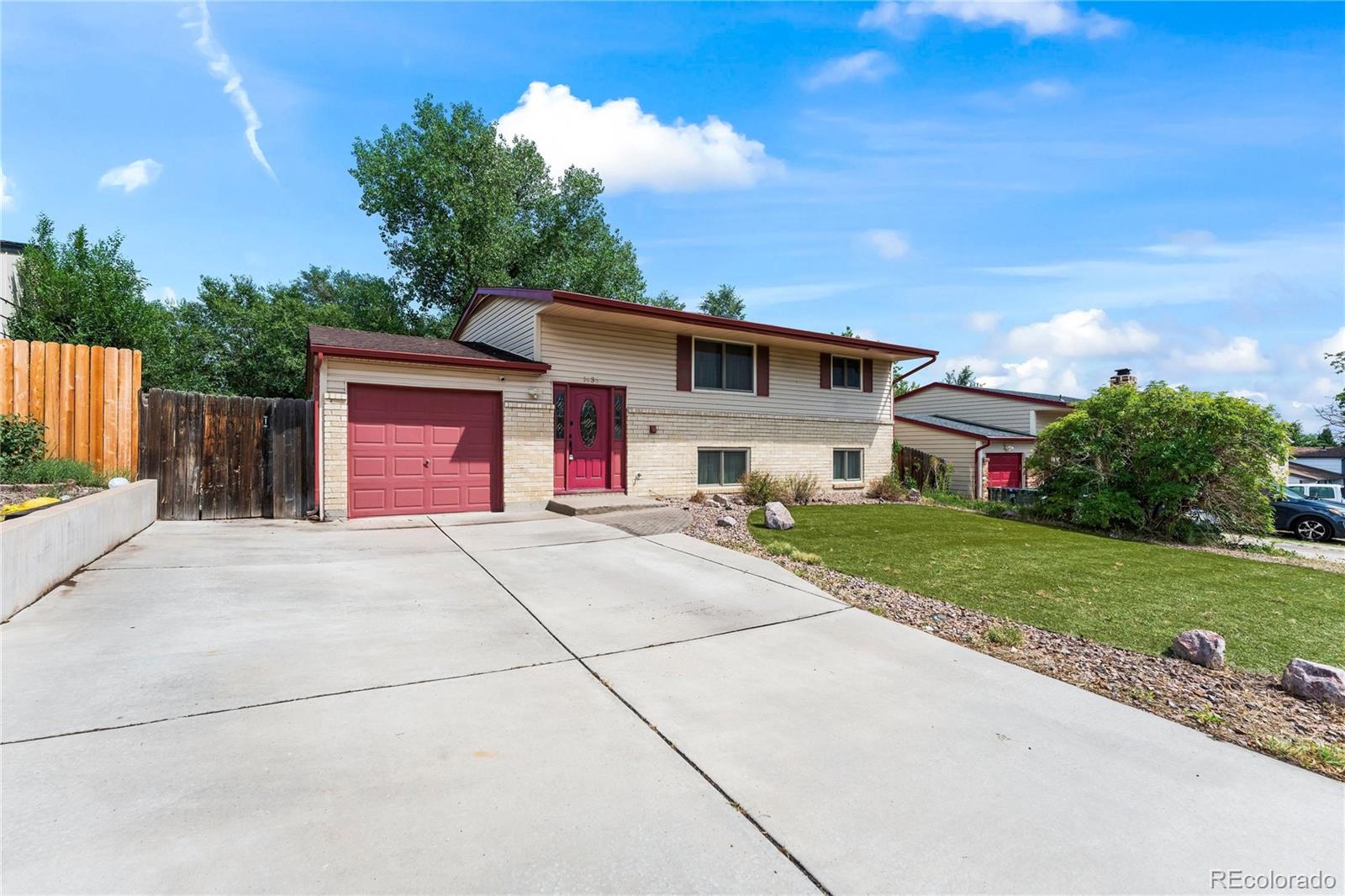
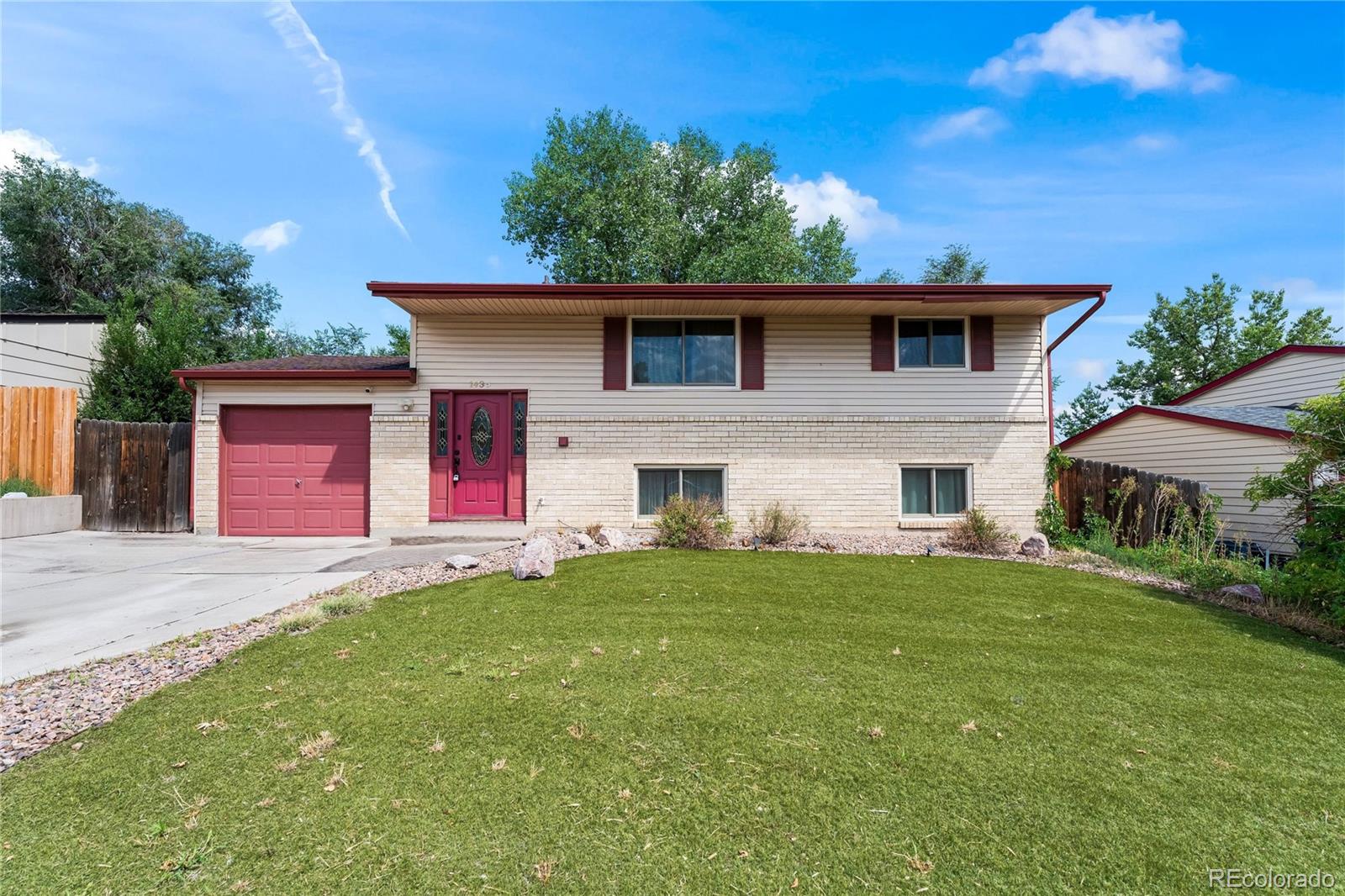
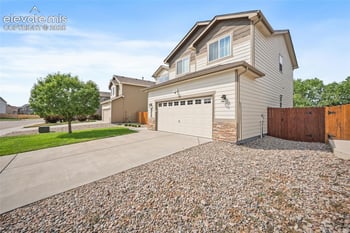
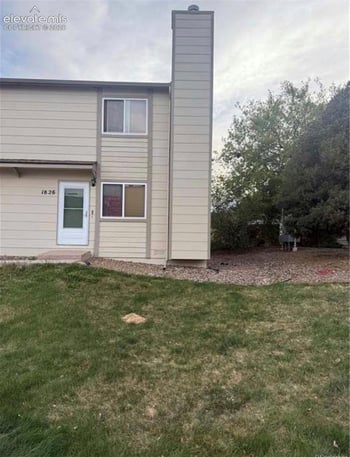
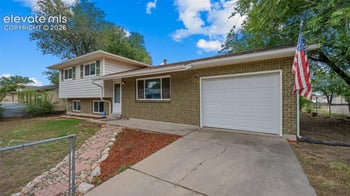
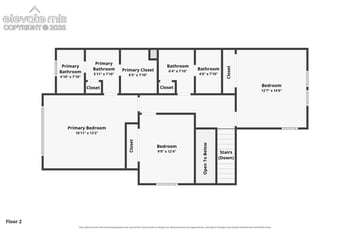
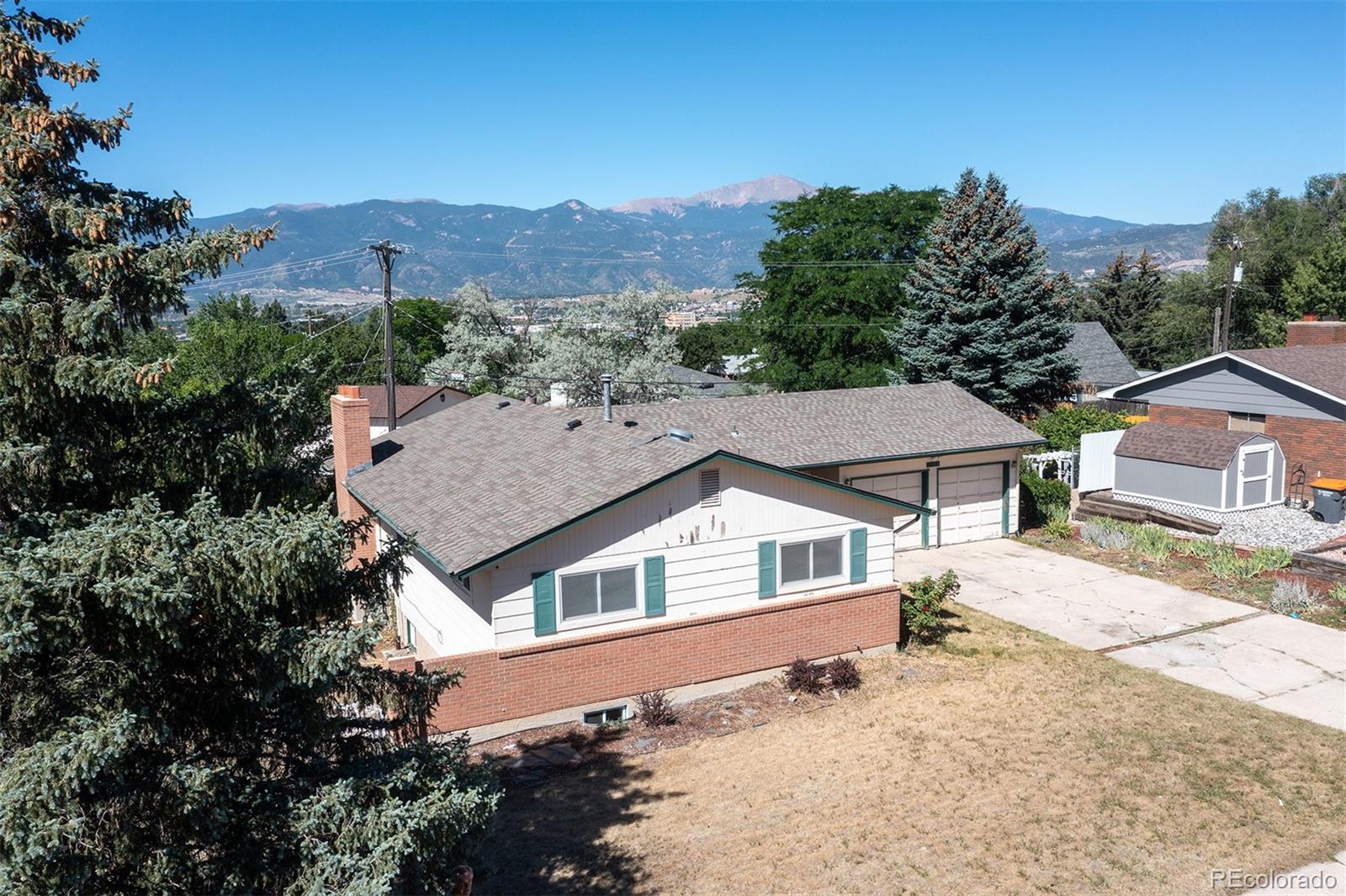
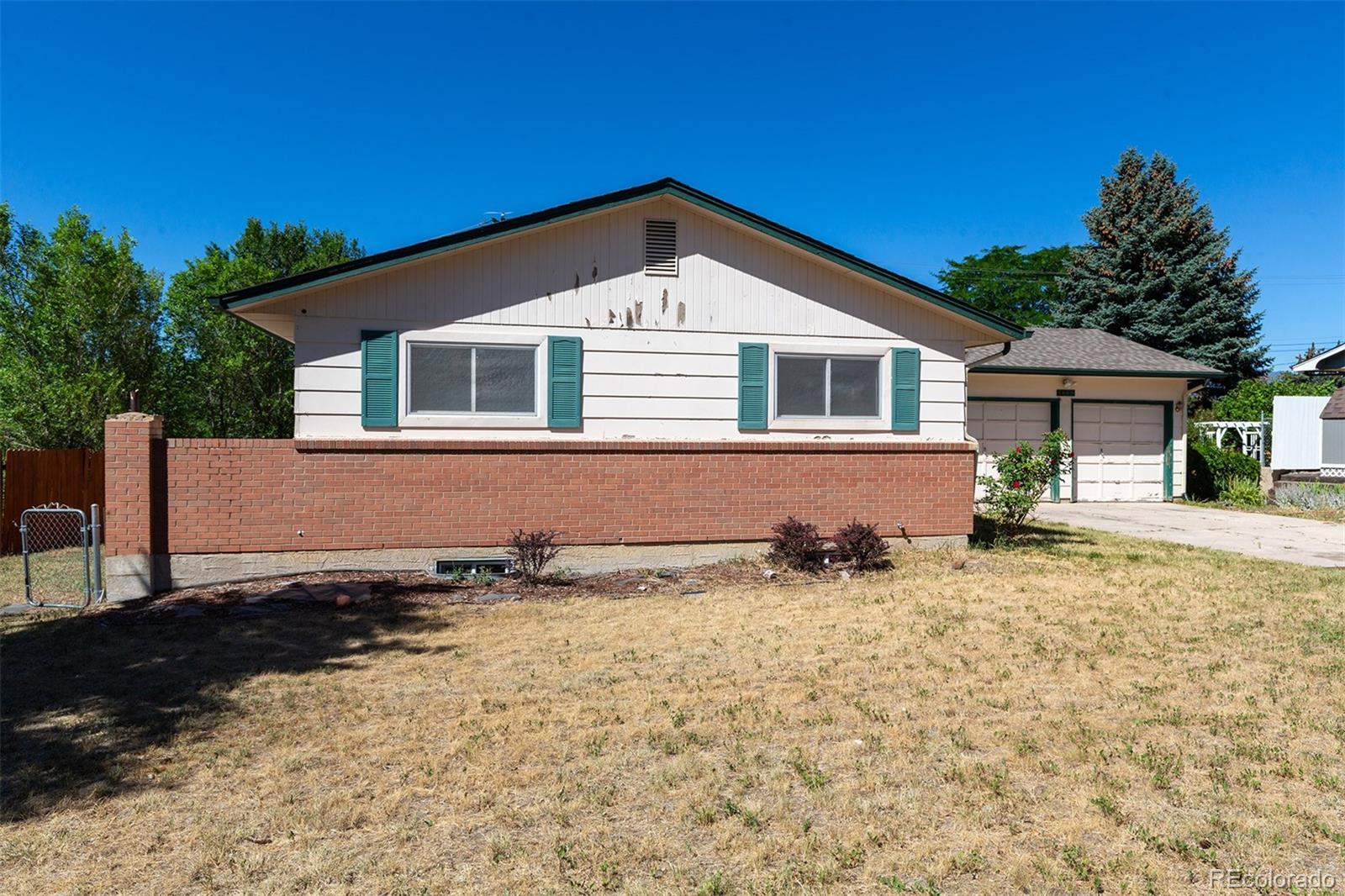
The listings above mix two different transaction types that get lumped under one search filter. A foreclosure means the lender already owns the home and is selling it as a bank-owned or REO property, or the county is about to auction it through the public trustee process. A short sale means the current owner still holds the title, still lives there in most cases, and is asking their lender to accept less than the loan balance to avoid foreclosure altogether. The paperwork, the timeline, and the risk profile are not the same, and mixing them up is the fastest way to misjudge how long a purchase will actually take.
Colorado uses a public trustee foreclosure system found in no other state. Each county's trustee, not a private attorney, handles the release, the sale, and the auction once a lender files a Notice of Election and Demand. That filing kicks off a roughly 110 to 125 day countdown to sale, and the borrower keeps a right to cure the default and stop the sale right up until noon the day before it happens. A short sale follows a completely separate clock set by the lender's loss-mitigation department, and that clock is often slower than anyone involved wants it to be.
REO and trustee-sale properties are usually sold as-is, sight-unseen in some auction formats, with no seller around to negotiate repairs. Short sales are typically live listings you can walk through and inspect like any other home, but financing contingencies and repair requests get harder to push through because the seller's bank, not the seller, has final say. Both paths can produce a below-market purchase. Neither one moves as fast as a standard resale.
Distressed inventory is not spread evenly across the state, and the two counties Great Colorado Homes covers most closely behave differently right now.
El Paso County had more pre-foreclosure filings than any other Front Range county so far in 2026, and filings have been climbing for more than a year, according to Colorado Sun reporting on ATTOM market data. That volume shows up across older, established pockets of Colorado Springs and in outlying towns like Fountain, where entry-level homes carry tighter payment margins. Up in Teller County, distressed listings are rarer and tend to be well or septic properties where a lapsed inspection or a failed system pushed an owner past the point of refinancing their way out.
Foreclosure and short-sale inventory around Castle Rock and the rest of Douglas County stays thinner. Newer homes and higher average incomes mean fewer owners hit a default wall, so when a distressed listing does surface here, it draws more competing offers relative to the number of comparable resale homes on the market. Buyers watching this side of our coverage area should expect a shorter list to choose from, not a shortage of demand for what does come up.
Check the listing remarks and the MLS status field before you get attached to a price. "Bank owned," "REO," or "trustee sale" means the lender or the county now controls the transaction and there is no homeowner to negotiate with. "Short sale," "subject to lender approval," or "third-party approval required" means the current owner is still selling the home but every offer has to clear their lender first. The second type usually allows a normal inspection period. The first type often does not.
A short sale offer does not get a fast yes or no. The seller's lender has to verify the hardship, order its own valuation of the property, and decide whether accepting less than the payoff amount actually beats the cost of foreclosing. That review can run anywhere from a few weeks to close to a year depending on how many lienholders are attached to the property. We tell buyers to treat a short sale like a waiting game with an option to walk, not a deal they need to chase.
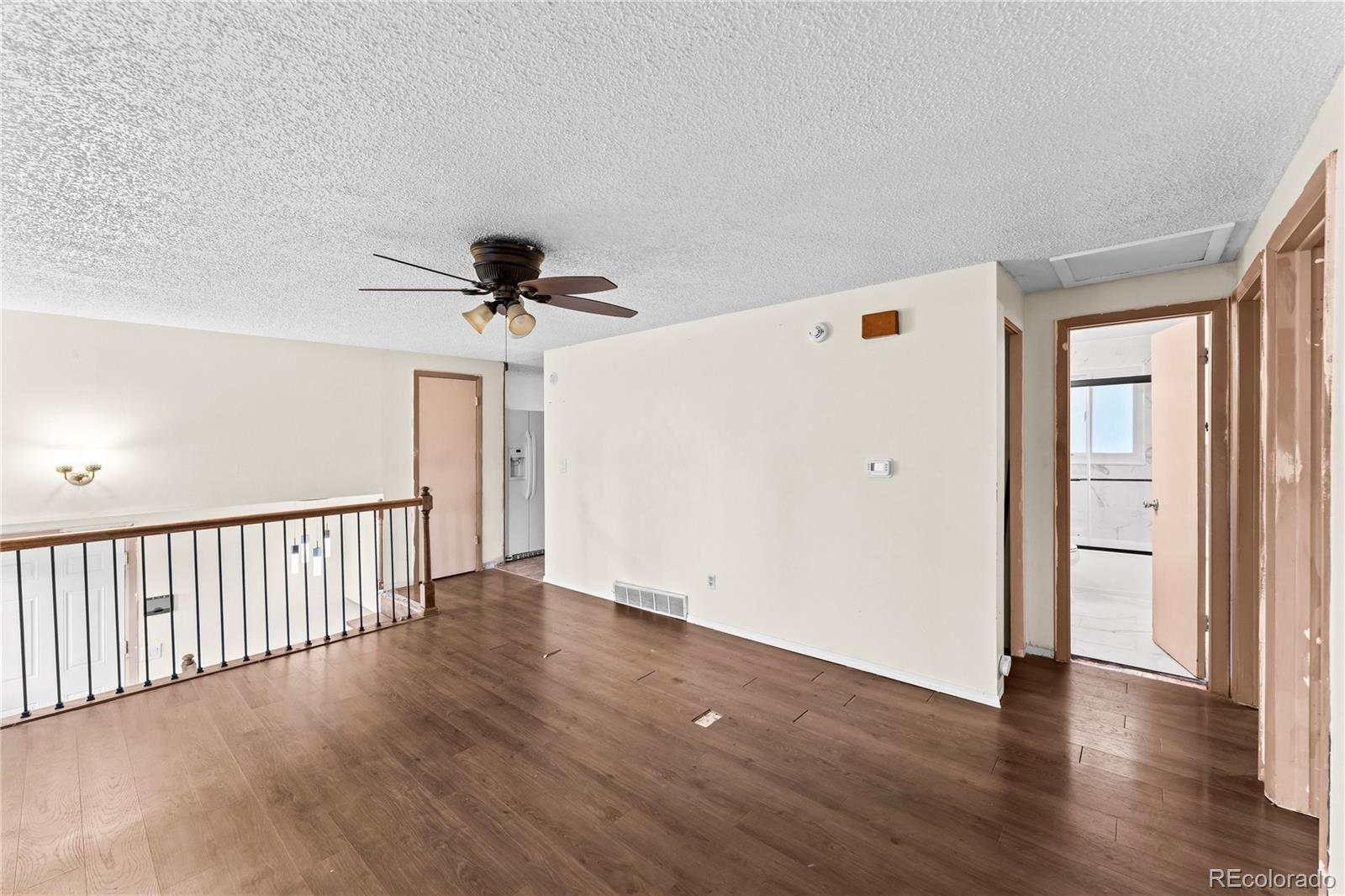
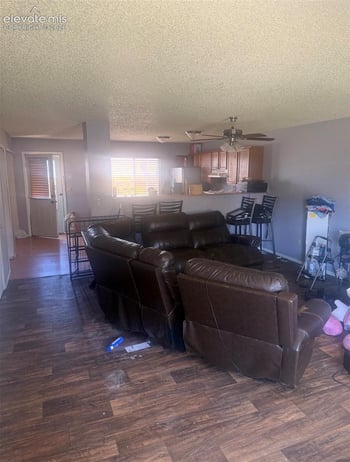
Vacant REOs sit unheated and unmonitored for months at a time, and that shows up in the inspection. Frozen or burst pipes, rodent damage, and deferred roof repairs are common enough that we build a repair contingency into the offer conversation before the buyer ever sees the report. Properties sold at the actual public trustee auction skip inspections entirely, since the county is not the one to negotiate repairs with. Our home inspection guide covers what shows up most often on vacant properties specifically.
Conventional and most government-backed loans work fine on a short sale, since the home is livable and the seller cooperates with the appraisal. REO properties in rough condition can trip up a standard loan if the appraiser flags missing systems or unsafe conditions, which sometimes pushes buyers toward a renovation loan or cash. Line up your pre-approval early on either type so the lender's approval timeline does not become the delay on top of the seller's. Our mortgage process guide and down payment breakdown are good starting points if this is your first distressed purchase.
Asset managers price REOs to move and rarely counter more than once or twice before moving to the next offer in line. We have had better luck leading with proof of funds or a strong pre-approval letter than with a lowball number, since banks weed out offers by certainty first and price second. On a short sale, the negotiation happens twice. The buyer works out terms with the seller first, then waits through a second round inside the lender's approval process where they have almost no visibility into what is happening.
Great Colorado Homes works distressed listings across El Paso, Teller, and Douglas County, and the due diligence changes by property type more than it changes by zip code. We pull title history early on every REO to check for outstanding liens the sale might not clear, and we walk short-sale buyers through what their offer needs to include before it goes to the seller's lender for review. For homes in El Paso and Teller County, including Colorado Springs and Fountain, call or text 719-357-7366. For Douglas County and the Castle Rock area, call or text 720-706-6333. Either office can get you set up with alerts for new distressed listings as they hit the market.