


Learning how to declutter your home is one of the smartest first steps before selling. Buyers do not expect a perfect house, but clutter can make rooms feel smaller, darker, and harder to understand.
Decluttering is not the same thing as cleaning or decorating. It is the process of removing the extra stuff that distracts from the house itself. Once the clutter is gone, cleaning gets easier, storage looks better, and each room becomes easier for buyers to picture.
The best plan is usually not a weekend of chaos. A steady system works better for most people. Start with easy decisions, move toward harder categories, and save the sentimental items for later. You will make better choices when your energy is not already gone.
How to declutter your home starts with getting things out
 The first mistake most people make is trying to organize clutter before removing anything. That turns piles into prettier piles. It may feel productive for a few hours, but it rarely solves the real problem.
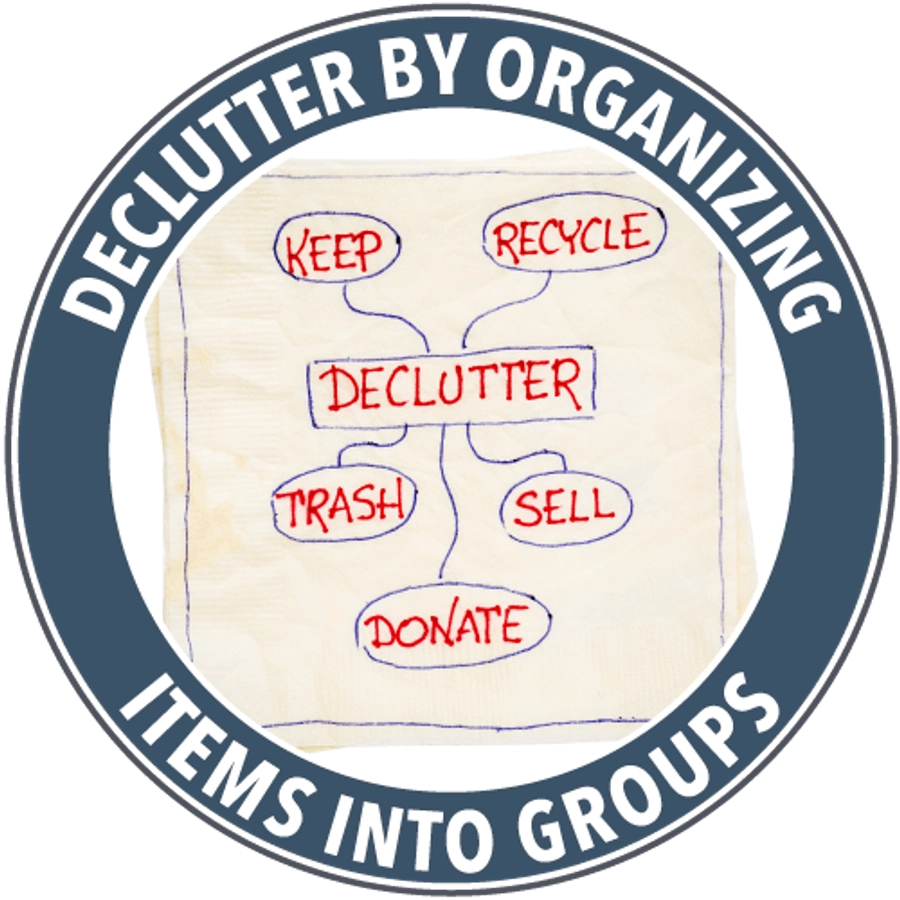
Start by removing unwanted items from the house. Use simple categories at first. Trash goes in one bag. Recycling goes in another. Donations go in boxes. Items that belong in other rooms go in a laundry basket. Keep the decisions moving.
This matters even more when you are selling. Buyers notice surfaces, floors, closets, cabinets, counters, and garage space. They are trying to understand how people live in their homes. Too much stuff forces them to look around your belongings instead of seeing the house.
Decluttering also helps your listing photos. A camera makes extra items more obvious than they feel in person. A kitchen counter that feels normal during breakfast can look crowded online. A living room with too many small pieces can make the furniture layout harder to read.
Think of every room as a container. The room can only hold so much before it stops working well. When everything technically fits, but nothing feels calm, the home is telling you that some things need to leave.
Decluttering and organizing are different jobs
Organizing gives your belongings a clear place to live. Decluttering decides which belongings deserve that place. If you reverse that order, you may end up spending money storing items you should have released.
Do not buy bins, baskets, shelving, or drawer dividers at the beginning. Wait until after the first big removal pass. You will know what containers you need once the extra items are gone. Most homes need fewer storage products after a serious decluttering round.
A good question is, “Does this item fit the life I am living now?” That question is kinder than asking if something has value. Plenty of things have value, but they may not belong in your next house, your next season, or your next move.
Another useful question is, “Would I pay to move this?” Moving turns clutter into labor. Every box has to be packed, carried, transported, unpacked, and stored again. If an item is not worth that effort, it may be time to donate, sell, recycle, or throw it away.
For sellers, the goal is not to make the home look empty. The goal is to make the home easy to understand. Furniture should explain the room. Decor should support the space. Storage areas should suggest capacity, not pressure.
A 30-day decluttering plan keeps the project manageable
 A whole-house decluttering project can feel overwhelming because one closet often leads to another room. That is why a simple 30-day plan works well. It keeps the project moving without turning your house upside down.
Use 20 to 30 minutes a day when possible. Set a timer, finish one small zone, and stop before you burn out. Long decluttering days lead to significant progress, but they can also cause decision fatigue. Short sessions are easier to repeat.
Here is a practical four-week plan for most homes:
- Week 1: Entryway, coat closet, kitchen counters, pantry, refrigerator, and everyday cabinets.
- Week 2: Bedrooms, dressers, closets, nightstands, shoes, linens, and visible personal items.
- Week 3: Bathrooms, laundry room, cleaning supplies, paperwork, files, and home office surfaces.
- Week 4: Garage, basement, attic, storage rooms, tools, seasonal items, and donation drop-offs.
The order matters because early wins build momentum. Kitchens and entries show progress fast. Sentimental boxes, old paperwork, and garage storage usually take more energy. Save those for later in the process.
Keep one donation box open during the entire month. When the box fills up, move it to your car. Do not let donations become another pile in the garage. The project is not finished until the items leave your property.
The first decluttering sweep removes obvious clutter fast
 The first sweep should be easy. Do not start with emotional decisions. Start with the items that clearly no longer belong in your home.
Look for expired products, broken pieces, empty boxes, duplicate gadgets, mystery cords, old paperwork, unused samples, dead batteries, and items missing parts. These decisions do not require a deep life review. They just require a trash bag and a little momentum.
Use these quick categories during the first sweep:
- Trash: Broken, expired, stained, torn, unusable, or incomplete items.
- Recycle: Paper, cardboard, approved containers, and accepted electronics.
- Donate: Clean, working items that someone else can use now.
- Return: Borrowed items, store returns, and anything that belongs outside your home.
- Move: Items sitting in the wrong room that still serve a real purpose.
Be careful with hazardous materials. Paint, chemicals, batteries, automotive fluids, and certain cleaners need proper handling. The El Paso County Household Hazardous Waste program explains how local residents can safely dispose of many common household products.
Electronics also deserve a separate plan. The EPA electronics donation and recycling guidance explains why computers, televisions, phones, and other devices should be donated or recycled through proper channels when possible.
The second decluttering sweep handles the hard decisions
The second sweep is where the real work begins. This is where you handle items that are not obvious trash but may still not belong in your next chapter.
Start with the replacement cost question. If an item is easy and inexpensive to replace, do not let it take up valuable storage for years. This is especially helpful for “just in case” items that you have not used in a long time.
Then ask whether the item belongs to your current life. Some clutter is tied to an old hobby, a past job, a former style, or a project you no longer want to finish. Keeping those items can make you feel behind every time you see them.
Save sentimental items for last. Old photos, keepsakes, letters, awards, and family records take more thought. You will make better decisions once the easy clutter is already gone. When you reach that stage, choose a reasonable container and let it set the limit.
Be honest about guilt clutter. Gifts, inherited items, expensive mistakes, and “I should use this” purchases are among the hardest things to let go of. The money is already spent. Your job now is to decide whether the item still deserves space, attention, and moving costs.
If you are preparing to sell, this second sweep can save real effort later. Every item you release now is one less item to pack, move, unpack, and store in the next house.
A room-by-room decluttering checklist for sellers
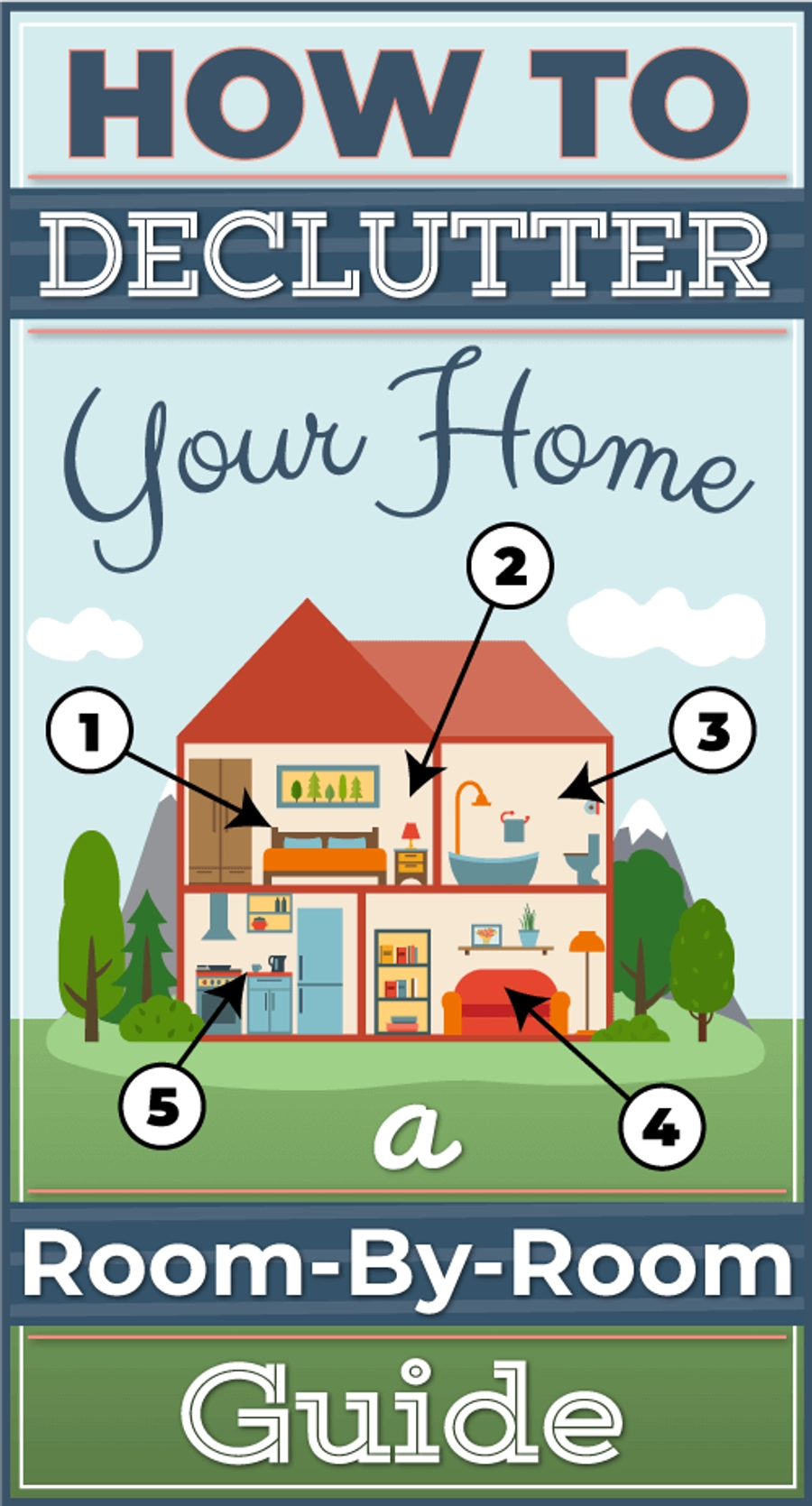 A room-by-room checklist is helpful when preparing for photos and showings. Work from the most visible spaces to the most storage-heavy areas. Buyers may open closets and cabinets during showings, so do not only clear the surfaces.
Entryway and front door
The entry sets the first impression. Remove extra shoes, coats, bags, packages, pet gear, and seasonal items. Keep the path clear from the front door into the main living area. If your entry has a console table, leave only a few simple items on top.
Kitchen counters and cabinets
Kitchens photograph better when counters are mostly clear. Store small appliances that you do not use every day. Remove magnets, papers, calendars, and extra items from the refrigerator. Open each cabinet and pantry shelf, then remove expired food, duplicate tools, and rarely used gadgets.
If you are planning listing photos soon, review our 20 steps to prepare your home for real estate photos before the photographer arrives.
Bedrooms and closets
Bedrooms should feel restful and easy to understand. Clear nightstands, dressers, floors, and laundry areas. In closets, remove clothing that no longer fits your current life, damaged shoes, empty boxes, and items stored there only because there was no better place.
Closets do not need to be empty, but they should not look packed. A crowded closet can make buyers worry about storage. If the closet feels tight, pack off-season items early and move them out of the daily space.
Bathrooms and linen storage
Bathrooms collect expired products faster than most rooms. Check medicine cabinets, drawers, under-sink storage, towels, cleaning products, travel toiletries, and old cosmetics. Keep counters clear except for a few daily items; store them neatly before showings.
Living areas and shelves
Living rooms should help buyers understand seating, traffic flow, and natural light. Remove stacks of magazines, extra cords, too many blankets, unused exercise gear, and small decor pieces that crowd shelves. If a table needs five items to look finished, try two instead.
Personal photos are not wrong, but too many can pull attention away from the room. Keep a few meaningful pieces if they look clean and balanced. Pack the rest early so buyers can focus on the layout and light.
Home office and paperwork
Paper clutter makes rooms look busier than they are. Sort mail, receipts, old statements, manuals, school papers, medical records, and tax documents. Shred anything sensitive that you no longer need. Box important records in a labeled container before showings begin.
Desktop clutter is especially noticeable in photo listings. Clear cords, sticky notes, loose paper, cups, and extra supplies. If the room must function as an office during the listing period, create one drawer or box for quick showing resets.
Garage, basement, and storage rooms
 Garages and basements are where delayed decisions often live. Start with trash, broken tools, empty packaging, old paint, duplicate yard equipment, and boxes you have not opened in years. Group what remains by category before buying shelves or storage bins.
Colorado Springs buyers often care about practical storage because many homes hold outdoor gear, seasonal equipment, tools, and winter items. The storage areas do not need to look staged, but they should look usable.
Decluttering for listing photos is stricter than everyday living
A home can be clean and still look cluttered in photos. The camera flattens rooms and catches every object at once. That is why photo prep usually needs a stricter standard than everyday living.
The National Association of Realtors staging guidance describes staging as including cleaning, decluttering, repairing, depersonalizing, and updating the home so buyers can picture themselves in the space. That is the goal. You are not trying to erase your home. You are helping buyers understand it faster.
Before photos, focus on the places the camera sees first:
- Counters: Remove extra appliances, mail, bottles, paperwork, and daily clutter.
- Floors: Clear shoes, bags, toys, cords, baskets, and small movable items.
- Walls: Straighten art, remove crowded displays, and patch obvious holes when needed.
- Windows: Clear sills, open coverings, and let natural light into the room.
- Closets: Reduce volume so shelves, rods, and floors are easy to see.
After decluttering, move into cleaning. Our ultimate home deep cleaning checklist can help you catch the details that buyers notice during showings.
Storage products come after the clutter leaves
Storage products are useful after you know what you are keeping. They are frustrating when they become a way to delay decisions. Bins do not solve clutter if the wrong items are inside them.
Once the removal phase is done, use storage products to make the remaining items easier to manage. Clear bins work well for seasonal decor, garage categories, and basement shelves. Labels help during a move because movers and helpers can understand where things belong.
Use small containers inside drawers, but avoid turning every drawer into a project. The goal is simple access. If the system is too fussy, it will fall apart during normal life.
For sellers, organized storage sends a quiet message. It tells buyers that the home has usable space. It also tells them the house has been cared for. That message is much stronger when the storage is not overflowing.
Colorado Springs donation and disposal options
 Decluttering gets easier when you already know where items can go. Good donation options reduce the temptation to keep things by default. Before donating, check each organization’s current rules because accepted items can change.
Goodwill of Colorado donation guidance recommends separating clothing from household items, washing clothing, keeping shoes paired, wrapping breakables, and testing electrical items before donating. Those small steps help donation centers process usable items faster.
The Pikes Peak Habitat ReStore donation page is useful for larger home-related items. ReStore generally looks for new or gently used items in good condition and fully functional. Their local donation page also explains pickup options and item requirements.
The Arc Thrift Stores donation page is another option for household goods, clothing, and other accepted donations. Check the location and donation hours before loading your car.
For recycling basics, the EPA's Reduce, Reuse, and Recycle guidance is a good starting point. For hazardous household materials in El Paso County, use the county’s household hazardous waste resources instead of placing those items in regular trash.
Donation runs are a good time to keep the selling process moving. After each drop-off, take a quick pass through one more cabinet, drawer, or shelf. Small repeat trips often work better than a single, never-happening cleanout.
How to keep clutter from returning before showings
The hardest part is not always the first decluttering round. The harder part is keeping the house ready while you still live there. A simple reset routine can protect your progress.
Create one daily reset basket. Walk through the main living areas each evening and place stray items in the basket. Then return them home before bed. This keeps small piles from growing into weekend projects.
Use a donation box as a permanent exit point. When something no longer fits, works, or serves your home, place it in the box. When the box fills, take it to the car. This prevents clutter from re-entering cabinets and closets.
Keep counters almost empty during the active listing period. Store daily-use items in easy containers under the sink, in a drawer, or inside a cabinet. Before a showing, you can reset the room in minutes rather than rebuild it from scratch.
Try a simple one-touch rule for incoming items. Mail gets sorted once. Packages get opened once. Donations go straight to the box. Trash goes straight to the bag. The fewer times you move an item without deciding, the less clutter returns.
If you are close to listing, combine this routine with our steps to take before selling your home. Decluttering works best when it supports repairs, cleaning, photos, pricing, and showing preparation.
Decluttering helps buyers see the home more clearly
Buyers are not judging your life. They are trying to decide if the home fits theirs. Clutter makes that decision harder by adding visual noise to every room.
A clear kitchen helps buyers notice counter space. A lighter closet helps them understand storage. A cleaner garage helps them imagine tools, bikes, equipment, and parking. A simpler living room helps them see how furniture could work.
This is why decluttering often matters as much as small cosmetic updates. You may not need new countertops or new flooring before listing. Sometimes the best first move is removing the extra items that hide the home’s existing strengths.
If you are deciding between decluttering, cleaning, repairs, and updates, read our article on which upgrades add the most value to your home. Not every improvement is worth doing before a sale, and the right answer depends on your timeline, price point, and competition.
Final thoughts on decluttering before you sell
Decluttering before a sale is not about creating a perfect house. It is about making the home easier to see, photograph, clean, and show. When the extra stuff leaves, the home can speak for itself.
If you are learning how to declutter your home because you plan to sell in Colorado Springs, start with the easy removal pass, then work through the deeper decisions. You do not have to do everything at once. You only need a plan that keeps moving.
When you are ready, Great Colorado Homes can help you decide what buyers are likely to notice first. Call us at 719-357-7366, or read our guide on how to sell your house in three basic steps before you start your next round of prep.



.png)
.png)








.png)