New - Just Now
$385,000
Coming Soon
2
Beds
3
Baths
1625
Sqft
0.0397
Acres
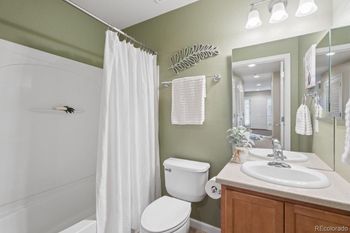
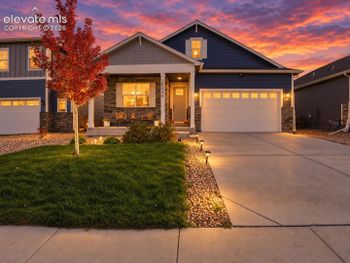
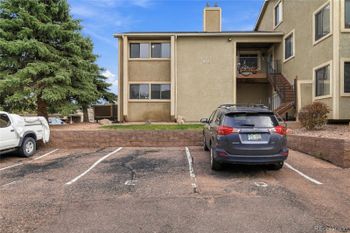
1297 Timber Run Hts, Monument, CO 80132
MLS#: 5579087



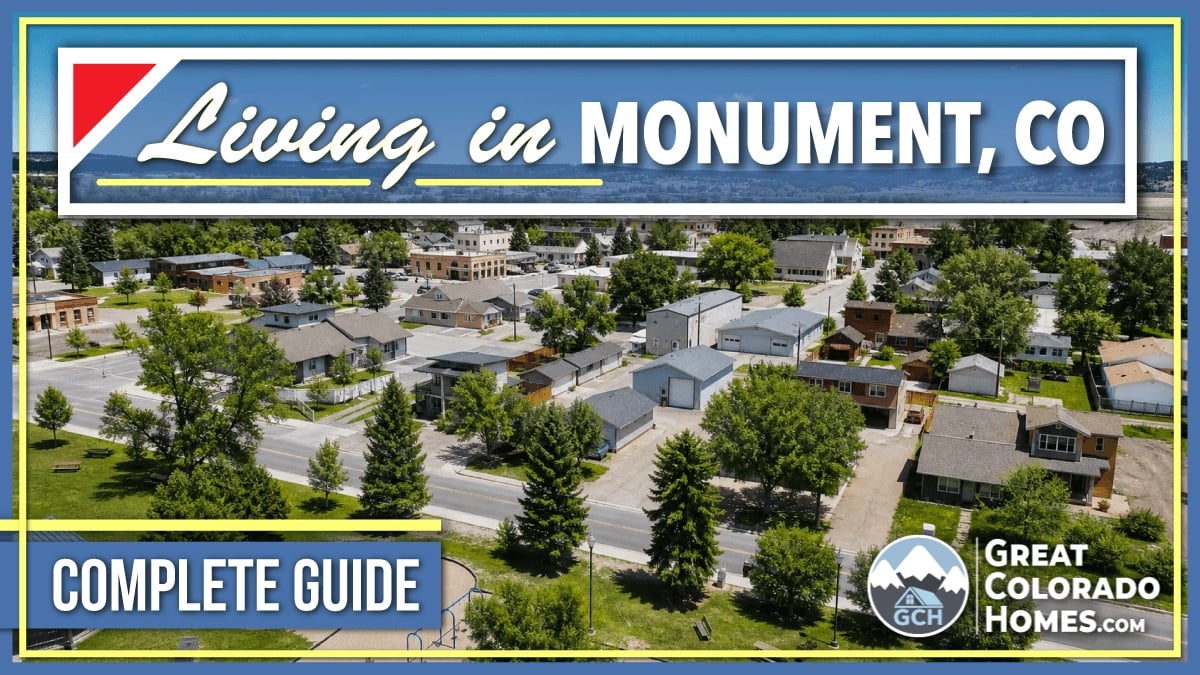
If you're thinking about moving to Monument, CO, the short answer is this: Monument is one of the best fits in the Colorado Springs area for buyers who want pine trees, mountain views, strong schools, larger lots, and a quieter pace without leaving the I-25 corridor.
The trade-offs are real. Monument gets more snow than most of Colorado Springs, the wind can be intense on the Palmer Divide, home prices are usually higher than many parts of the Springs, and the restaurant and shopping scene is smaller than Briargate or Castle Rock. For the right buyer, those trade-offs are worth it.
I'm Andrew with Great Colorado Homes. I've lived in Monument and helped buyers relocate here for years. The questions I hear most are about snow, schools, commute times, neighborhoods, taxes, wildfire risk, and whether Monument feels too remote. This guide answers those questions directly so you can decide if moving to Monument, Colorado makes sense for you.
If something comes up while you're reading, call or text me at 719-426-1500. I'm a real person who answers.
Monument is a good place to move if you want a quieter Front Range lifestyle with better access to trees, trails, mountain views, and larger lots than you'll find in many Colorado Springs neighborhoods. It works especially well for buyers who want the convenience of I-25 without living in a busy city corridor.
It is not the best fit for everyone. If you want a large restaurant scene, short winter commutes, the lowest home prices in El Paso County, or quick access to downtown nightlife, Monument may feel too small and too far north. The town rewards buyers who care more about setting, schools, space, and outdoor access than convenience.
Every relocation decision has trade-offs. Monument has a lot going for it, but it is better to know the downsides before you start touring homes.
 Monument is a strong fit if you want a quieter Colorado lifestyle without giving up access to jobs, schools, shopping, and medical care. It works well for buyers who want trees, trails, larger lots, mountain views, and access to Colorado Springs without living in the middle of the city.
The area feels different from the flat eastern side of Colorado Springs. Driving south on I-25 from Castle Rock, you'll feel the climb as you pass Larkspur and head toward Monument. The pine trees thicken, the land starts to roll, and Mount Herman shows up as the western backdrop.
Monument may not be the right move if you want maximum convenience. The bigger retail centers, hospitals, and restaurant clusters are mostly south in Northgate, Briargate, and central Colorado Springs, or north in Castle Rock. The people who love Monument usually choose it because they want the setting more than they want every errand five minutes away.
I see luxury buyers compare Monument against other parts of El Paso County and pick Monument when they want trees, space, views, and privacy. Red Rock Ranch and Kings Deer offer big lots, mountain views, and a quieter feel than most newer master-planned suburbs.
 One of the biggest financial reasons buyers compare Monument with Castle Rock is the county line. Monument is in El Paso County. Castle Rock is in Douglas County. The Douglas County border sits just a few miles north of Monument, and once you cross it, the all-in carrying cost can change quickly.
Monument can give buyers a similar Front Range setting with lower property tax pressure than many newer Douglas County communities, especially where metro district fees are layered on top of the base tax rate. On a higher-priced home, that difference can become meaningful over time.
Don't compare home prices alone. A smart Monument relocation budget should include the mortgage payment, property taxes, homeowners insurance, HOA dues, metro district obligations if any, utilities, snow removal needs, and any wildfire mitigation work on wooded lots.
Buyers who tour both Monument and Castle Rock often start with similar budgets. Once taxes, HOA fees, and special district costs are factored in, the monthly payment picture may look different. Castle Rock has more retail and restaurants. Monument gives you a smaller-town setting, more trees, and easier access to Colorado Springs.
Monument usually feels more expensive than many parts of Colorado Springs because the housing stock includes larger lots, custom homes, wooded neighborhoods, newer subdivisions, and golf course communities. You can still find townhomes and smaller homes, but much of the demand is driven by buyers looking for space and setting.
If you are moving from out of state, be careful comparing price per square foot without looking at lot size, elevation, wildfire risk, HOA restrictions, age of the home, and commute pattern. Two homes with the same square footage can live very differently in Monument.
 Monument has several distinct neighborhoods, and the right one depends on what you want your daily life to feel like. Some areas are wooded and established, some are newer and easier to maintain, and others are custom-home neighborhoods with acreage and views.
I tour these areas with buyers every week. The thing that surprises people most is how different the neighborhoods feel even though they are all within a few miles of each other.
Woodmoor is one of the most established neighborhoods in Monument. It sits east of I-25 around the Country Club at Woodmoor and its 18-hole golf course. The streets have mature pine trees, mid-sized to large lots, and homes ranging from older ranch plans to newer custom builds.
The Woodmoor Improvement Association manages common areas and community rules. Woodmoor is a good place to look if you want a settled neighborhood feel, trees, golf access, and a location that still keeps daily errands close.
Kings Deer sits north of Monument with custom homes on lots that often run 1 acre and up. The neighborhood has its own golf course and a more rural feel than Woodmoor. Most homes are higher-end custom builds, and vacant lot inventory is limited because much of the neighborhood has already been built out.
This area makes sense if you want larger lots, a quieter setting, and a custom-home environment. It is not usually the lowest-budget option in Monument.
Red Rock Ranch is a luxury pocket on the west side of Monument, tucked against the foothills north of downtown. Lots often run from 1 acre to 5 acres, and the area is known for custom homes, views, and privacy.
I've had buyers compare Red Rock Ranch with the Broadmoor area and choose Red Rock Ranch because they wanted more space and a quieter feel. It is one of the first neighborhoods I think about when a buyer wants Monument's most private setting.
Jackson Creek is the newer master-planned area on the east side of I-25, anchored by the Jackson Creek Parkway shopping corridor. Clover Leaf is one of the newer David Weekley communities in this area, with newer two-story homes and townhomes.
Lots are tighter than Woodmoor or Red Rock Ranch, but the location is convenient. The higher streets can have strong views west toward Pikes Peak and the foothills.
Lake of the Rockies is a higher-density master-planned community on the west side of I-25. Most homes were built in the late 2010s, and the neighborhood gives buyers newer housing close to downtown Monument and I-25.
The main thing to know is the railroad. Active train tracks run just east of the community, and several trains can pass through on a typical day. If you're considering a home on the east side of the neighborhood, listen carefully during your showing.
Sanctuary Pointe is a newer master-planned community on the west side of Monument, tucked against the foothills off Baptist Road. Lots here are wooded with pine trees, which is unusual for newer construction in the area.
The community has internal trails and open space that connect into the broader trail system on the west side of town. It is a popular choice for buyers who want newer construction with a more natural setting.
Bent Tree, Colonial Park, and Higbee Estates are established mid-tier Monument neighborhoods with homes built mostly in the 1980s and 1990s. Lots tend to be smaller than the custom acreage areas, and these neighborhoods can be more accessible than Red Rock Ranch or Kings Deer.
You will find a mix of original owners and second-generation buyers, along with mature trees that newer subdivisions cannot match yet. Always check HOA rules, well and septic details, and school boundaries before making an offer.






 Lewis-Palmer School District 38, often called D38, covers most of Monument and the surrounding area. The district is one of the biggest drivers of buyer demand in this part of northern El Paso County.
If schools are part of your decision, verify the assigned schools for the exact address before you make an offer. Boundaries can shift, and online maps are not always enough. I always recommend calling the district office directly during due diligence.
D38 has two main high schools. Lewis-Palmer High School is the older campus east of I-25. Palmer Ridge High School is west of I-25 off Monument Hill Road. Both schools are well known locally, and both draw strong interest from buyers looking in the district.
If a specific high school matters to you, confirm the boundary before you write an offer. Some neighborhoods are close enough to boundary lines that assumptions can cause problems.
D38 has several elementary schools spread across the area, and each one feeds into specific middle school assignments based on attendance boundaries. Do not rely only on listing remarks. Listing data can be wrong, especially when a home sits near a boundary line.
Monument Academy is a public charter school in D38 with campuses on both sides of I-25. It uses a classical education model and serves K-12. If you want this option, research the application process and waitlist timing early.
Most people moving to Monument ask about the commute early in the search. The town sits between Colorado Springs and the south Denver suburbs, which can be a major advantage or a daily frustration depending on where you work.
I-25 northbound between 7 and 9 a.m. carries a lot of traffic from Monument toward Castle Rock, the Denver Tech Center, and Denver. The southbound evening commute can stack up too, especially around Castle Rock and Larkspur.
Winter adds another layer. Monument Hill can get black ice, crosswinds, blowing snow, and sudden visibility changes. If you work in Denver or the Denver Tech Center, test the commute in the season and time of day you will actually drive it.
Bustang is Colorado's intercity bus system, and it can be useful for occasional trips north or south. The schedule is limited, so I would not plan a daily routine around it without checking current service first.
The Palmer Divide makes Monument feel like its own weather zone. You can leave Colorado Springs in clear weather, drive north on I-25, and hit snow or fog near the Monument Hill exit. That surprise is normal here.
Monument gets more snow than most lower-elevation parts of Colorado Springs. Some winters are manageable, and some storms drop enough snow to affect driveways, side roads, school schedules, and commutes. If you move here, plan for snow tires, a good shovel, and a driveway strategy.
I've had buyers tour homes in February with bare ground in Briargate and snowbanks in Woodmoor on the same afternoon. That is the Palmer Divide in real life.
Wind can be intense when storms move through the Front Range. Gusts can come hard across the foothills and over Monument Hill. Patio furniture, trampolines, trash cans, and lightweight outdoor items need to be secured.
The upside of the elevation shows up in summer. Monument often feels cooler than central Colorado Springs on hot afternoons. If you like sitting outside in July without feeling baked by the heat, Monument has a real advantage.
Monument's elevation and lower density help the night sky feel darker than many busier Front Range areas. The stars are one of those small quality-of-life details that people notice after they move in.
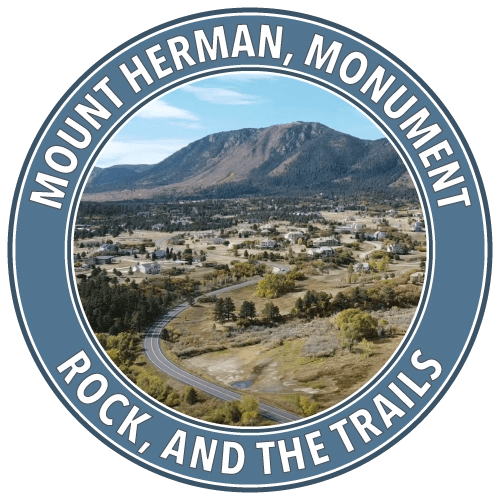 This is where Monument really stands out. The west side of town runs up against Pike National Forest, and many residents can reach trailheads in just a few minutes.
Mount Herman is the bald peak west of town that you see from almost everywhere. The Mount Herman Trail is short, steep in spots, and popular with locals. From the summit, you can see Pikes Peak to the south and the Denver skyline to the north on clear days.
The trailhead sits at the end of Mount Herman Road. Parking is limited on weekends, so go early or choose a weekday if you want a quieter experience.
Monument Rock is the sandstone formation that gave the town its name. The hike to it is short and manageable for many people, and the trail connects into the larger Mount Herman trail system if you want to keep going.
The Santa Fe Regional Trail runs north and south at the base of Mount Herman. It follows the old railroad bed and connects Palmer Lake to Colorado Springs. It is wide, relatively flat, and useful for walking, running, biking, and stroller-friendly outings.
 The Tri-Lakes are Monument Lake, Palmer Lake, and Lake Woodmoor. None are large boating lakes, but they matter to the character of the area.
Monument Lake is the easiest to access and the busiest of the three. People fish from shore, paddleboard, kayak, walk the path, and gather around the lake in summer. Palmer Lake has its own small-town feel just north of Monument, along with the Palmer Lake Reservoir Trail.
Lake Woodmoor is different. The main body of water is owned by the Woodmoor Water and Sanitation District, and public access is restricted. Woodmoor residents do have access to Wild Duck Pond and Lower Twin Pond through the Woodmoor Improvement Association.
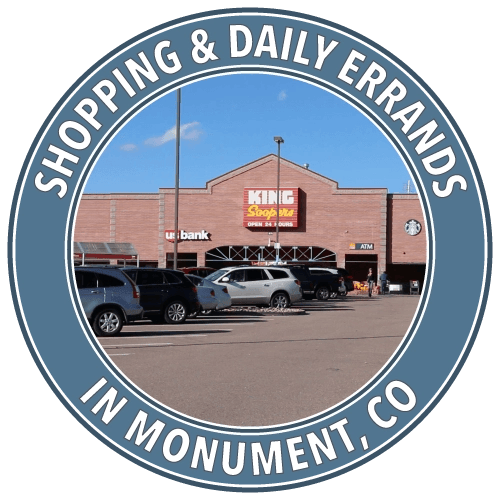 Daily errands in Monument are easier than most newcomers expect, but the town is not built like a large retail suburb. You will have enough nearby for normal weekly needs, then drive south to Northgate or north to Castle Rock for bigger shopping trips.
Jackson Creek Parkway is the main shopping corridor in Monument. King Soopers, Natural Grocers, Home Depot, Kohl's, Walmart, coffee shops, and casual restaurants are clustered in this area.
Downtown Monument is small, local, and easy to walk. It is the opposite of the chain-heavy Jackson Creek corridor. Covered Treasures Bookstore, Coffee Cup Cafe, Black Forest Cafe, The Boar's Head, La Casa Fiesta, and the summer farmers market all help downtown feel like a real local center instead of a strip of national brands.
The closest Costco and Target options are south near InterQuest in north Colorado Springs. The Outlets at Castle Rock are about 25 minutes north on I-25. If you are moving from a larger metro, Monument will feel smaller, but you are not isolated.
The Monument Goodwill has a strong reputation with local resale shoppers because donations often come from higher-end neighborhoods nearby. It is a small detail, but it is the kind of local thing you learn after spending time in the area.
 A lot of Monument's appeal comes from trees, foothills, acreage, and custom homes. Those same features create extra due diligence for buyers. This is where you need a local agent who knows what to look for before you are under contract.
Anything west of I-25 in Monument or east into Black Forest can involve wildland-urban interface concerns. The wildland-urban interface is where homes and natural vegetation meet, and insurers pay close attention to those areas.
The 2013 Black Forest Fire changed how many buyers, homeowners, and insurance carriers think about wooded properties north and northeast of Colorado Springs. Before you make an offer on a wooded or foothill property, get insurance quotes early.
Defensible space is the managed area around a home that helps slow fire spread and gives firefighters room to work. On wooded properties, you may need to budget for tree trimming, brush removal, gutter cleaning, ember-resistant vents, or roof improvements.
Many larger-lot Monument properties are not connected to municipal water and sewer. They may use private wells and septic systems. If you are buying one of these homes, order separate well and septic inspections during due diligence.
Do not skip this step. A failed septic system or low-producing well can cost far more than a normal inspection issue, and it can affect how you use the property after closing.
HOA rules in Monument vary widely. Woodmoor, Kings Deer, Sanctuary Pointe, and Jackson Creek all have active HOAs with different rules. Red Rock Ranch, Forest View Estates, Bent Tree, Colonial Park, and Higbee Estates can vary by filing or pocket. Read the covenants, meeting notes, financials, and design guidelines before your inspection period ends.
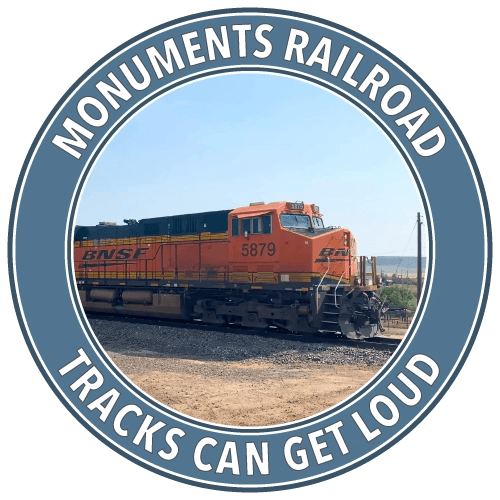 Monument was established as a railroad stop in the 1870s, and the tracks still run right through downtown today. That history gives the town character, but it also creates noise in certain neighborhoods.
Freight trains run through central Monument most days, and horns sound at crossings. Some buyers like the sound. Others do not want it anywhere near their house.
If train noise matters to you, tour homes during a weekday morning or evening when trains are more likely to pass through. Do not rely on a quiet Sunday afternoon showing.
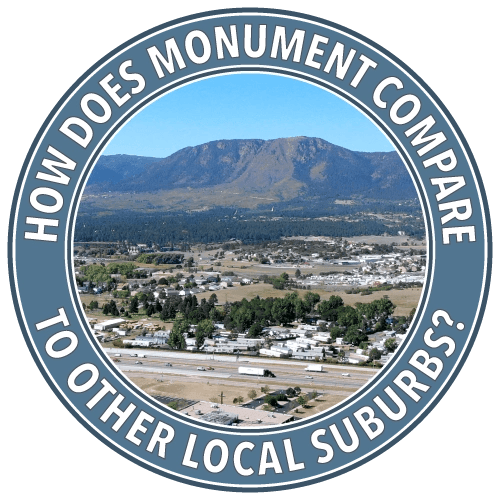 Most buyers do not look at Monument in a vacuum. They compare it with Castle Rock, Briargate, Northgate, Black Forest, and sometimes the Broadmoor area. Here is how the comparisons usually shake out.
Castle Rock has more retail, more restaurants, a larger outlet mall, and a shorter drive to Denver. Monument has more pine trees, more elevation, a quieter small-town feel, and easier access to Colorado Springs. If you want convenience and a stronger Denver orientation, Castle Rock often wins. If you want trees, trails, space, and a smaller community feel, Monument may be the better fit.
Briargate and Northgate offer more daily conveniences, shorter drives to hospitals and shopping, and easier access to many Colorado Springs jobs. Monument trades that for more space, more trees, more snow, and a quieter setting. If you want the shortest commute to north Colorado Springs, Briargate or Northgate may make more sense. If you want a more wooded setting, look at Monument.
Black Forest is quieter and more rural, with larger lots, heavier tree cover, and fewer commercial conveniences. Monument gives you more of a town center, better I-25 access, and a more balanced mix of neighborhoods. Black Forest is better for buyers who want more seclusion. Monument is better for buyers who still want shops, restaurants, and a town to drive into on a Saturday.
Before you move to Monument, use this checklist to avoid the most common surprises I see with relocating buyers.
Monument is a good place to live if you want a quieter Front Range town with foothill views, pine trees, trails, and access to Colorado Springs. It is less ideal if you want a large dining scene, short winter commutes, or the lowest home prices in the region.
Monument is often more expensive than many parts of Colorado Springs because it has larger lots, custom homes, golf course neighborhoods, wooded settings, and strong buyer demand. You should compare total monthly cost, not just list price.
Yes, Monument usually gets more snow than lower-elevation parts of Colorado Springs because it sits on the Palmer Divide. The difference can be obvious during winter storms.
Monument is convenient to north Colorado Springs and the Air Force Academy. The commute to Denver or the Denver Tech Center is possible, but I-25 traffic, winter weather, and construction can make it inconsistent.
The right neighborhood depends on your priorities. Woodmoor is established and wooded, Kings Deer has larger lots and a golf course setting, Red Rock Ranch offers luxury custom homes, Jackson Creek is more convenient and newer, and Sanctuary Pointe gives buyers newer homes in a treed foothill setting.
Most of Monument is served by Lewis-Palmer School District 38. Always verify the assigned schools for a specific address before making an offer.
Monument feels quieter than Colorado Springs, but it is not remote. Daily errands are available around Jackson Creek Parkway, and larger shopping options are nearby in Northgate, InterQuest, Castle Rock, and Colorado Springs.
Pay close attention to commute patterns, snow, wind, wildfire insurance, wells, septic systems, HOA rules, train noise, and school boundaries. These details matter more in Monument than they do in many standard suburban neighborhoods.
Monument is not the right fit for everyone. The snow, wind, train noise, smaller dining scene, and extra property due diligence will scare some buyers off. The people who choose Monument usually want the foothills, trees, schools, dark skies, trails, and quieter pace, and they are willing to trade some convenience to get it.
For the right buyer, moving to Monument, CO can be one of the best decisions in the Pikes Peak region. The key is knowing which neighborhoods fit your lifestyle, which lots come with extra maintenance, which streets hear the train, and how the weather and commute will affect your daily life.
I've helped buyers settle into Monument for years. I know which neighborhoods are closest to the train tracks, which streets offer the best views, and which lots come with surprises that do not show up in listing photos. If you want a real conversation about what's available and what fits your budget, call or text me at 719-426-1500. Great Colorado Homes is a locally owned brokerage with hundreds of closings across El Paso County. We'd love to talk with you.