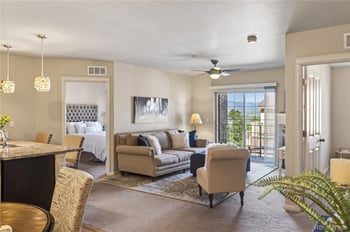
$270,000
Active
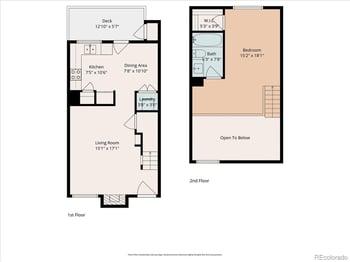
2
Beds
1
Baths
929
Sqft
--
Acres
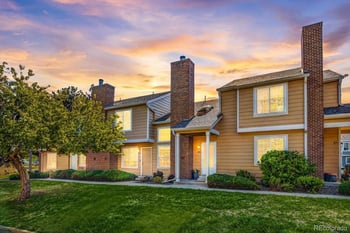
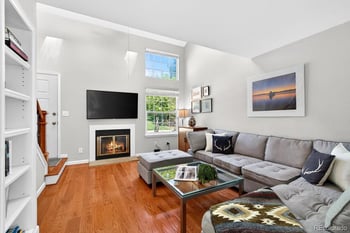
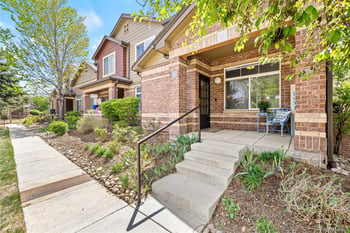
12820 Ironstone Way #104, Parker, CO 80134
MLS#: REC3617579




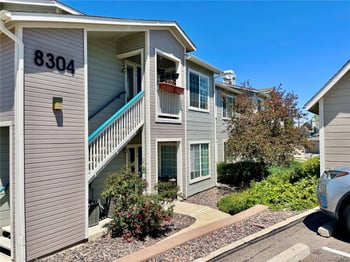


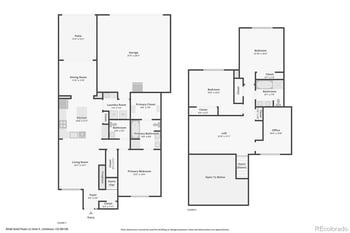
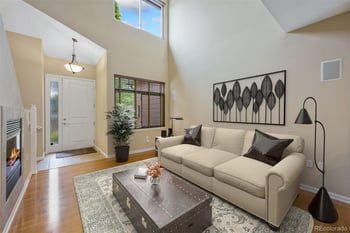
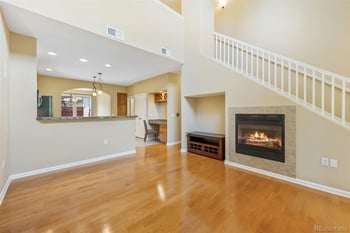

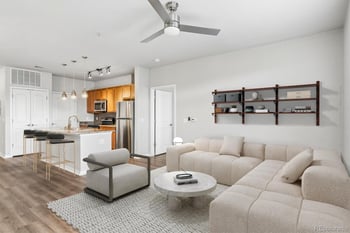

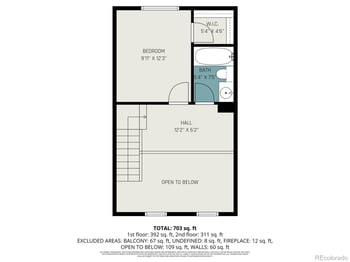
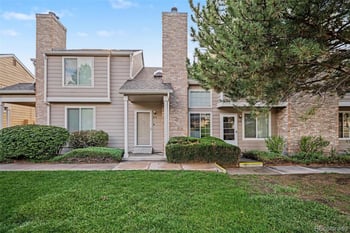
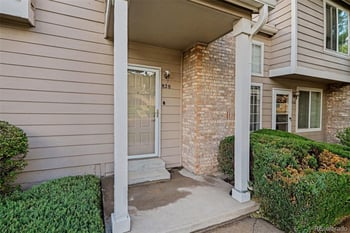

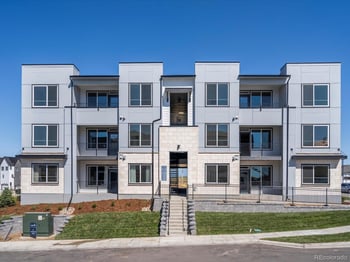


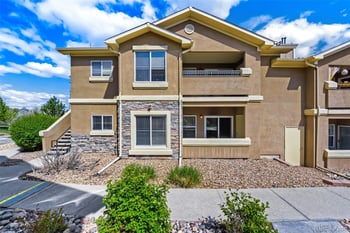
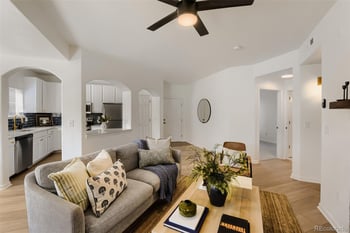
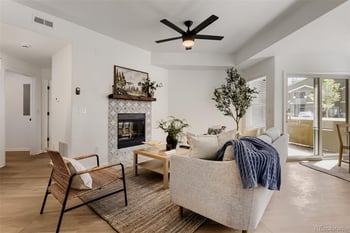
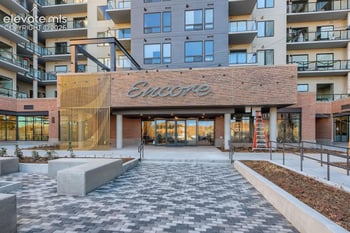
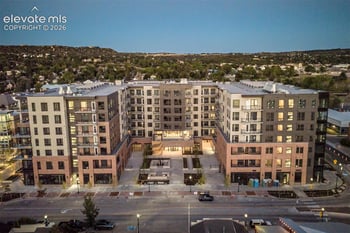



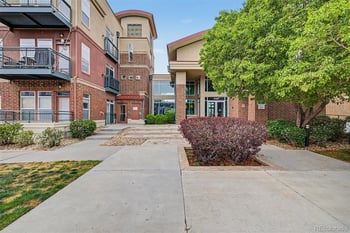


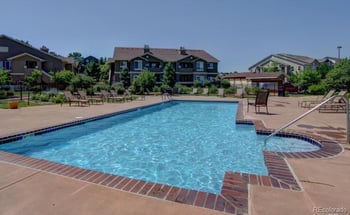
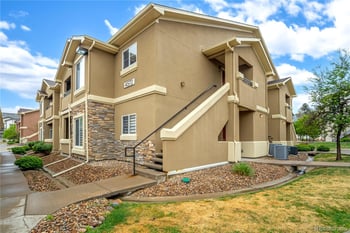
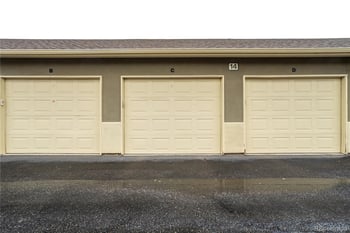


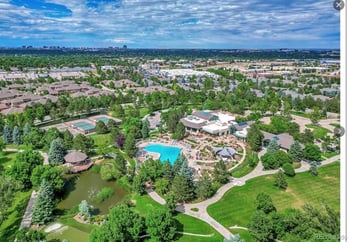
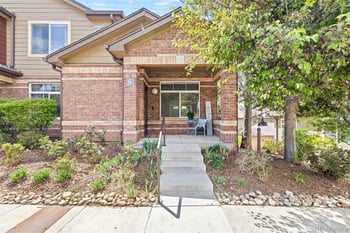


Interactive Map Coming Soon.
Condos are the smallest slice of attached homes in Douglas County, and that scarcity shapes the entire search. Most attached homes here are Douglas County townhomes or paired homes, so a true condo is harder to find. The listings that do come up cluster in a few pockets: older garden-style buildings in Highlands Ranch, newer stacked flats near the RidgeGate corridor in Lone Tree, and a scattering in Castle Rock. Prices are lower per unit than for most detached homes, which attracts both first-time buyers and people who want to stop maintaining a yard.
The word condo describes how you own the home, not how it looks. In a condo, you own the interior of your unit and share the building, grounds, and roof with every other owner through the association. Two attached homes on the same street can look identical, while one is a condo and the other is a fee-simple townhome on its own lot. The deed, the recorded plat, and the declaration tell you which one you are buying, and the Douglas County Assessor records confirm the parcel setup. I always confirm the ownership form in writing before we get too far, because it changes the insurance you carry and the loan you can use.
With a condo, the lender does not just approve you. It also has to approve the project. This is the part that surprises buyers who have only bought detached homes. Before you can use certain financing, the association has to clear a project review, and a building that fails it narrows your options fast.
A warrantable condo meets the standard rules for conventional and government loans. A non-warrantable one does not, usually because of the association's finances, rental levels, ownership concentration, or pending litigation. Non-warrantable does not mean you cannot buy, but it often means a portfolio loan with a higher rate and a larger down payment. I ask the listing side early whether the project is warrantable, so we are not three weeks in before a lender flags it.
If you are using an FHA or VA loan, the entire project generally needs to be on the approved list, or the unit must clear a single-unit approval. You can check a building yourself on the HUD condominium search tool before you tour. A newer stacked-flat community in Lone Tree may be approved, while an older garden building in Highlands Ranch is not, so approval, not price, often decides which units are realistic for a given buyer.
The 1st thing I dig into on a condo is the association's financial health, because it drives both your loan and your risk. I read the budget, the reserve study, the master insurance certificate, and the last several sets of meeting minutes. A few numbers carry real weight:
A condo purchase is really two approvals, yours and the building's, and the building is the one buyers forget to check. A unit can show beautifully and still sit in an association that a lender will not touch.
I have walked condo buyers through the older Highlands Ranch buildings and the newer RidgeGate-area flats in Lone Tree, and they solve different problems. The older units usually cost less and put you near established shopping and trails, but they are the ones most likely to need a financing check. The newer stacked flats cost more and lean on lock-and-leave convenience near light rail. Tell me your loan type and how long you plan to stay, and I will steer you toward the buildings that actually clear for your financing, rather than the ones that only look right online. Call or text me at 720-706-6333, and we will start with the projects worth your time.