New - 1 Hour Ago
$600,000
Active
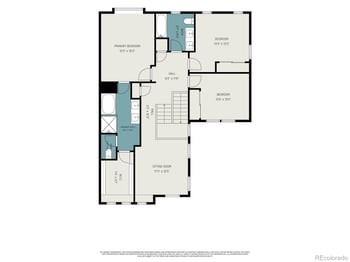
3
Beds
3
Baths
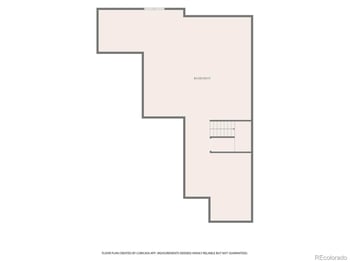
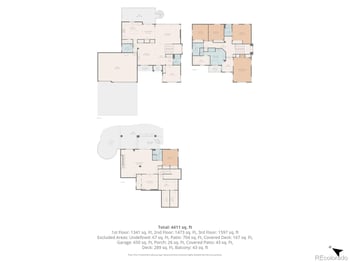
2066
Sqft
0.1
Acres
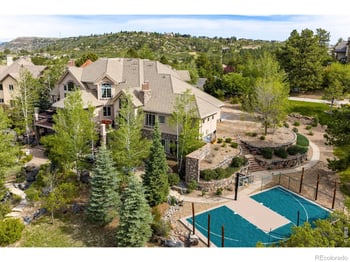
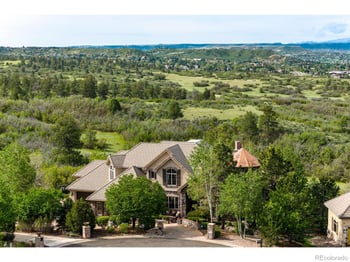
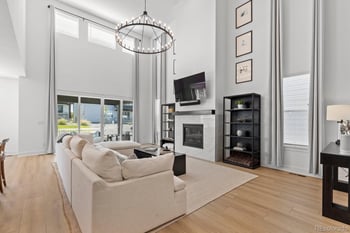
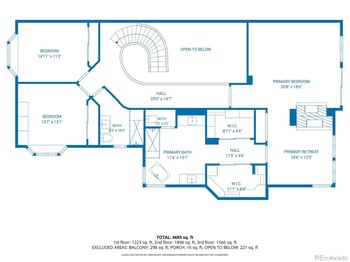
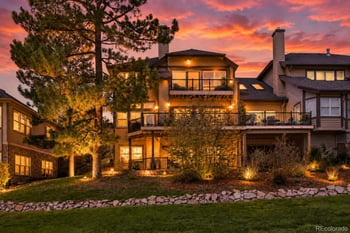
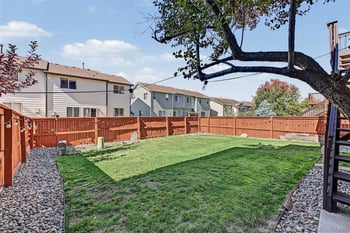
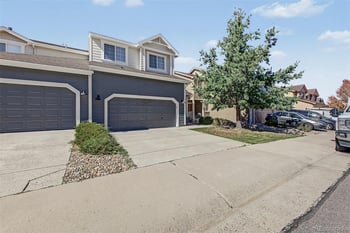
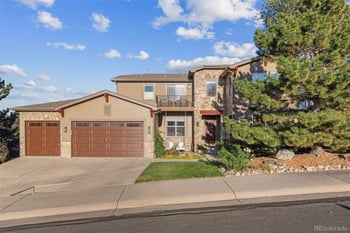
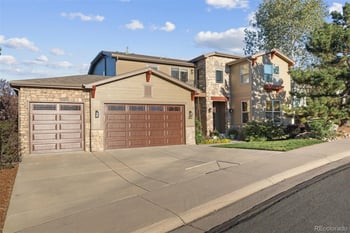
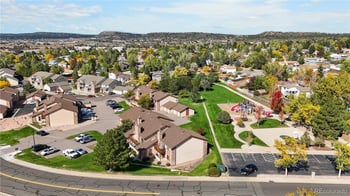
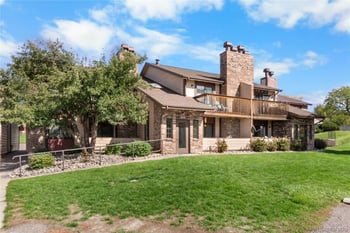
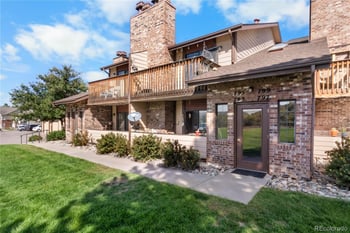
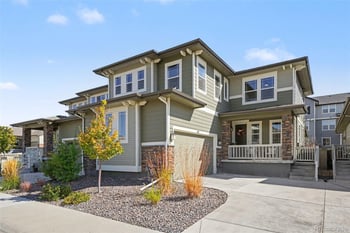
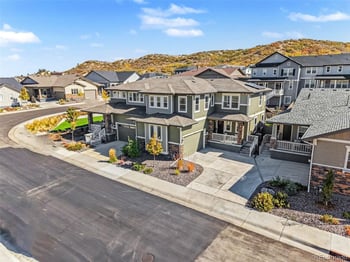
410 Felicity Loop, Castle Rock, CO 80109
MLS#: REC1969079



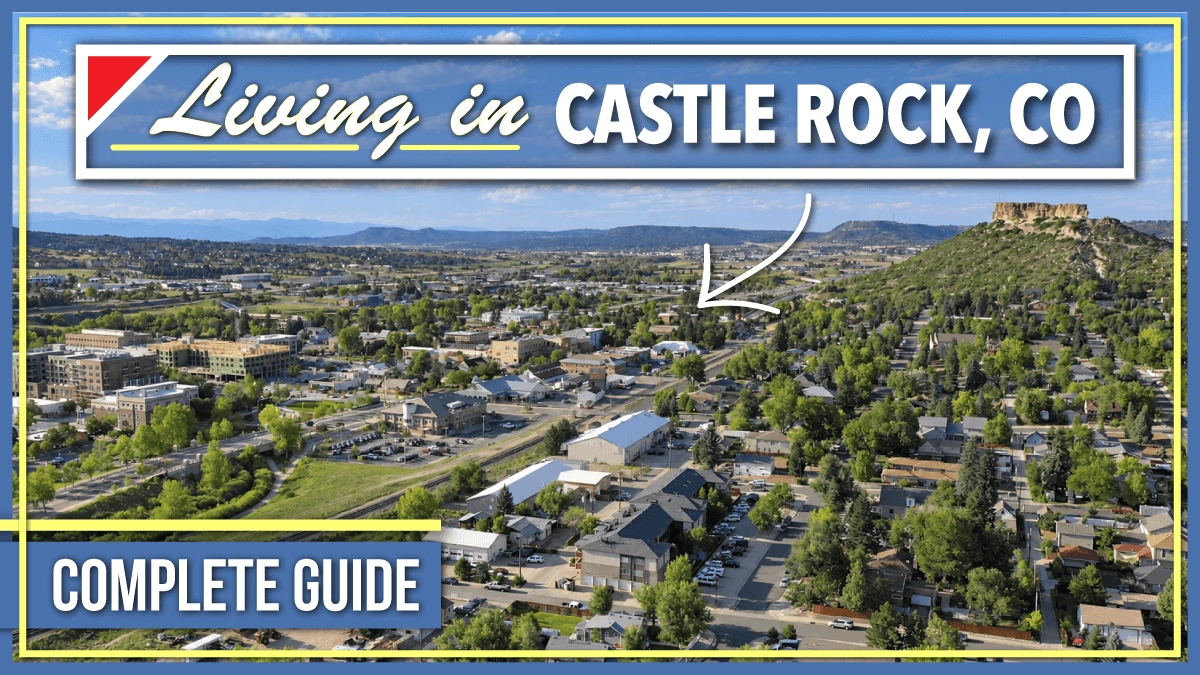
Castle Rock attracts many Front Range buyers because it feels newer, offers strong outdoor access, and is right in the I-25 corridor between Denver and Colorado Springs. The tradeoff is just as real. Daily life depends heavily on cars, and metro district taxes, HOA dues, and water rules can move your monthly expenses more than most buyers expect. Castle Rock can be a good fit if you understand those points. This guide walks through each one in detail.
| Location | Douglas County, between Denver and Colorado Springs along I-25 |
|---|---|
| Role in the Front Range | One of the main bridges between the Denver metro area and the northern edge of the Colorado Springs market |
| Outdoor access | The town manages 104 miles of trails, 25 parks, and more than 4,000 acres of open space; with local partners the totals top 130 miles, 60 parks, and 6,900 acres |
| School district | Douglas County School District, split into Castle View and Douglas County High School feeder systems for Castle Rock |
| Population trend | About 83,800 residents by the July 2025 Census estimate, with town planning documents projecting buildout near 114,500 to 126,000 residents |
| Housing mix | Older homes near the center of town, established subdivisions like Plum Creek and Red Hawk, large master-planned communities such as The Meadows and Terrain, and newer growth near Crystal Valley |
| Market character | Inventory spans downtown-core originals to new construction and townhomes, plus a luxury and acreage tier, across ZIP codes 80104, 80108, and 80109 |
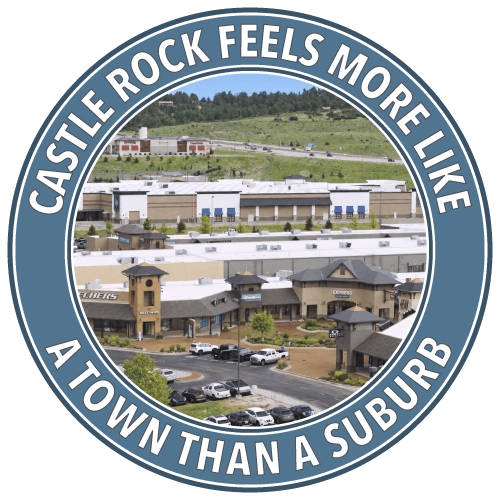 Castle Rock feels more like a town than a suburb. You get a defined downtown, great parks, and enough local history that it doesn't feel generic. Most buyers tell me it feels quieter than Denver but more active than a small rural town.
Outdoor access makes daily life fun and healthy. Evening walks, runs, and family time at the parks are normal, and I've had plenty of buyers pick Castle Rock specifically because they wanted deeper trail access without moving all the way into the foothills.
The pace feels busy during commute hours and event days, but most neighborhoods keep a calmer pace. Big master-planned communities like The Meadows and Terrain add activity with community centers, pools, and internal parks, while established areas around Plum Creek and Red Hawk feel more settled.
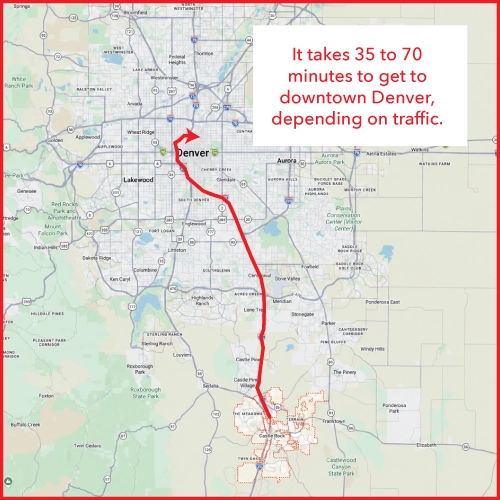 Castle Rock is located in Douglas County right along I-25, between the Denver metro area to the north and the northern edge of the Colorado Springs market to the south. That placement drives three big realities: commute patterns, weather, and growth pressure.
From a commuting perspective, Castle Rock lets buyers work in Denver, the Tech Center, or Colorado Springs without feeling cut off from any of those markets. Many clients use it as a middle ground. One partner works in Denver, the other in Colorado Springs, and Castle Rock keeps both commutes manageable as long as you're realistic about traffic.
Elevation and setting bring typical Front Range weather, with sunny days, quick storms, and winter conditions that can hit harder along ridge lines and in exposed areas. You feel the wind more on open hills than in older, tree-covered parts of town. On ice and snow days, the I-25 corridor can lock up quickly.
The location also creates growth pressure straight down the corridor. The town's residential entitlement documents estimate a realistic buildout range near 114,500 to 126,000 residents based on current zoning and land constraints. That projection explains the steady construction, ongoing road work, and planning focus you'll see around town.
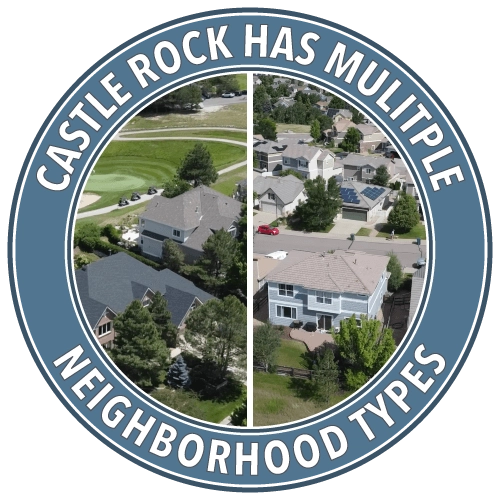 Castle Rock breaks into a few practical neighborhood types that are important for both lifestyle and ownership costs.
The center of town, north and east of the rock, has older homes, small downtown streets, and a mix of residential and commercial properties. Buyers who want character, shorter drives to local shops, and smaller lots usually look here first. You're closer to downtown restaurants, the library, and local events, with homes whose ages and styles predate the big waves of modern growth.
The Meadows and Terrain are the two large master-planned communities that appear the most in Castle Rock searches. The Meadows splits its amenities between two centers, The Grange and The Taft House, each with different pool and splash features.
Terrain brings another large-scale neighborhood plan on the town's east side, with internal parks, paths, and a more planned feel than some older subdivisions. Both areas attract buyers who want newer homes and community amenities while keeping access back to I-25.
Plum Creek and Red Hawk are the established subdivisions buyers cross-shop when they want mature landscaping, proximity to golf courses, and quicker access to downtown or I-25 without buying brand-new.
Crystal Valley adds newer construction on the south side of town, with ongoing building, newer floor plans, and more construction traffic. Some buyers love that because they want brand-new homes, while others prefer areas where most construction is complete. Macanta, Sapphire Pointe, Founders Village, and other planned communities stack up around town as additional options, each with its own amenities and district rules.
Higher-end buyers often look toward Bell Mountain Ranch and Castle Highlands. These areas typically offer larger lots, more privacy, and views, with price points and ownership costs that reflect these advantages. If yard size and separation from neighbors top your list, this tier is where the search usually lands.
Metro districts and HOAs are the piece of Castle Rock that can catch buyers off guard. Two homes that look similar on paper can carry very different monthly costs once you factor in special district taxes, HOA dues, and utility rules.
A metro district is a special taxing district set up to fund infrastructure and amenities for a particular development. Each district sets its own mill levy, the rate applied to your property's assessed value to calculate that district's share of the tax bill. The Douglas County Treasurer bills property taxes and distributes them among more than 300 taxing authorities across the county. Your parcel pays its own subset of those, typically the school district, the county, the town, and whatever metro or special districts are tied to your neighborhood, so a Castle Rock tax bill is really a stack of separate entities, not one simple town charge.
An HOA is a homeowners association that charges dues to cover shared maintenance and amenities, such as pools, parks, landscaping, and snow removal, in attached-home communities. The bigger and more complex the amenities, the higher the potential dues.
The biggest mistake buyers make here is looking only at principal and interest on the mortgage. A home in one Castle Rock neighborhood can carry a noticeably higher annual property tax bill than a similar home elsewhere in town simply because the special district mill levies differ, and HOA dues can add another few hundred dollars a month. I always pull the actual tax breakdown and HOA dues for each home before a buyer gets attached to it, along with any special assessments and how water and trash are billed. A Castle Rock home only makes sense if you understand the full monthly cost, not just the mortgage payment.
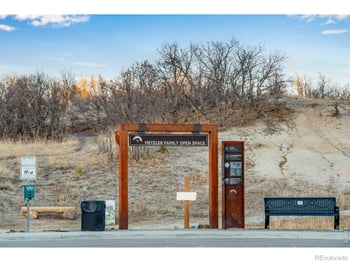
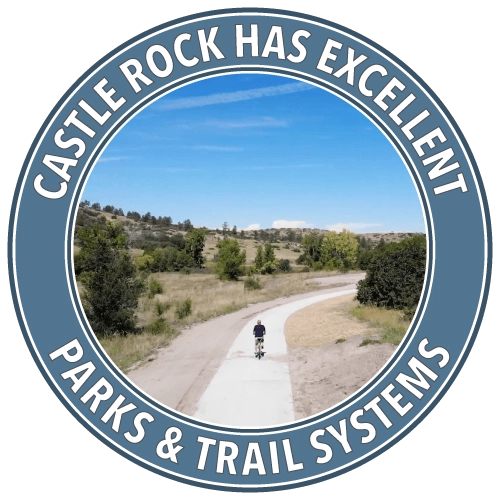 Castle Rock's parks and open space system is one of the strongest reasons people move here. The town manages 104 miles of trails, 25 parks, and more than 4,000 acres of open space, and counting local partners, the wider area offers more than 130 miles of trails, 60-plus parks, and over 6,900 acres.
The trail network connects many neighborhoods to local parks and natural areas. On tours, I see buyers relax once they realize they can leave a master-planned community and immediately connect to wider trail systems. Outdoor access feels built in around much of town.
Lost Canyon Ranch Open Space on the southeast edge of Castle Rock is a different kind of experience: steep canyon terrain with cliffs and hoodoos, hiking-only trails, bikes restricted to roadways, and no dogs or horses. Cell service can be limited, so carry water and be ready for wildlife, including rattlesnakes. That makes Lost Canyon a backcountry-style outing rather than a casual neighborhood park, which some buyers love, and others find too rugged.
Expect differences from one part of town to another. Some neighborhoods have internal pocket parks and short trail loops, while others rely on town parks you reach by car or longer multi-use paths. When outdoor access is a top priority, we look at how far each home is from the trailheads you'd realistically use after work.
Douglas County School District divides Castle Rock into two main high school feeder systems, one for Castle View High School and one for Douglas County High School. Each feeder includes a set of elementary schools, a middle school, and preschool offerings that feed into that high school.
Those feeder lines matter because each home's address ties to a specific attendance area. If school fit matters to you, pull the district's current boundary maps and plug in the exact address. Feeder patterns can change as the district balances enrollment, so don't rely on assumptions or outdated word of mouth.
For buyers planning around specific programs or ratings, we pull both district and state data for the schools tied to a property, then look at how those schools fit your commute and daily routine. If a short walk to school matters more than a specific feeder, we adjust the search accordingly.
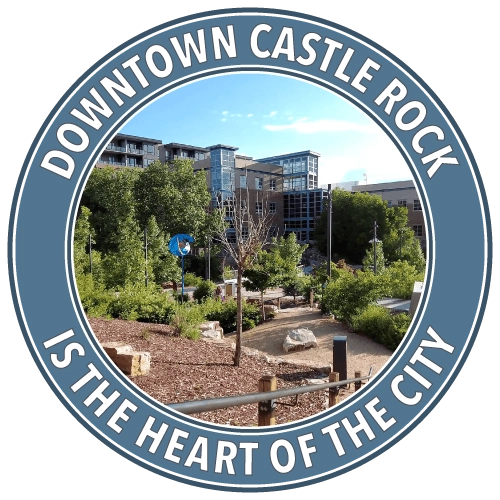 Downtown Castle Rock gives the town its core identity. You get restaurants, local shops, offices, and civic spaces clustered around the historic area near the rock, with Festival Park anchoring community events. Buyers who want a real downtown usually focus their search within a short drive of this area.
The Encore project reshaped a piece of downtown: a roughly $73 million mixed-use redevelopment by Confluence Companies that adds 124 for-sale residential condos, about 29,250 square feet of ground-floor commercial space, and a parking garage with more than 300 public spaces. That combination brings more residents downtown, adds storefronts, and improves parking for people coming in for dinner or events. I've watched foot traffic improve as homes, shops, and the garage filled in around Festival Park.
Restaurants and retail lean toward casual dining, local coffee shops, small boutiques, and day-to-day services, while larger retail, including big-box stores and supermarkets, is spread along the main corridors near The Meadows and other commercial clusters.
One underrated way to get to know downtown is a free 45-minute walking tour from the Castle Rock Historical Society and Museum, offered on select Saturdays from May through September. Tours begin at The Courtyard on Perry Street and end at the museum in the old depot building; check their calendar for current dates. Newcomers who take it usually feel more connected to the town afterward.
Castle Rock runs one of the more deliberate municipal water programs on the Front Range, and it shapes daily life in visible ways. The town's water program reported average use of about 114 gallons per person per day in 2025 and aims to bring that closer to 100 over time, and its long-range plan targets at least 75% renewable water by 2050, backed by expanding the Plum Creek Water Purification Facility, adding reservoir storage, and developing aquifer storage and recovery.
For homeowners, the practical rules are what you'll feel. New development limits turf in front yards, caps irrigated lawn area in backyards, and prohibits water-intensive grass species. During summer, mandatory schedules limit outdoor watering to every third day within set evening and overnight hours. If you want a large traditional lawn, choose the neighborhood and landscape design with those rules in mind.
On the infrastructure side, broadband stands out, especially for remote workers. The town's partnership with Ting Internet brings fiber service to many Castle Rock neighborhoods, which makes work-from-home life easier than in areas still relying on slower connections.
Most Castle Rock buyers cross-shop a few other places along the Front Range. Douglas County options like Castle Pines and Parker, as well as Colorado Springs and Monument, come up often. Here's how Castle Rock usually stacks up on practical decision points.
| Castle Rock | Middle ground between Denver and Colorado Springs with direct I-25 access; older core, large master-planned communities, and a luxury/acreage tier; strong town investment in trails and open space; metro districts and HOAs common. |
|---|---|
| Castle Pines | Closer to Denver and the Tech Center on I-25; heavily planned with gated and golf-course neighborhoods; special districts and HOA dues can be high, so buyers compare total monthly costs closely to Castle Rock. |
| Parker | East of I-25 with commutes through E-470 and Parker Road; large planned neighborhoods and established subdivisions; strong trail systems with less canyon terrain. |
| Monument | Farther south near Colorado Springs; mix of older core and newer planned communities, some with larger lots; more rural-feeling edges. |
| Colorado Springs | Full city with more direct access to urban jobs and a longer drive to Denver; a broad range of housing ages and price points; immediate mountain access. |
If you're weighing those options, our Castle Pines, Monument, and Colorado Springs guides break down each market in the same style.
It works as a bridge between the two. You live in Douglas County with direct access to I-25 and can commute north toward Denver or south toward Colorado Springs, which is exactly why split-commute households settle here.
Downtown gives true walkability, especially around Festival Park and the Encore project, and some master-planned communities offer internal paths and pocket parks. The town as a whole is still car-centered, so plan on driving for most errands.
Plug the exact property address into Douglas County School District's attendance boundary maps to confirm whether it feeds Castle View or Douglas County High. Confirm the current assignment before you commit, since boundaries can change.
Metro district mill levies and HOA dues can shift the monthly payment by hundreds of dollars on homes with similar prices. Pull the parcel's actual tax breakdown, which shows the specific authorities that bill that address, plus current HOA dues, before you decide.
Yes. Turf limits in new development, drought-tolerant landscaping requirements, and summer watering schedules are enforced. If a big lawn matters to you, pick the neighborhood and design with those rules in mind.
Take the free 45-minute walking tour with the Castle Rock Historical Society and Museum, offered on select Saturdays from May through September. It starts at The Courtyard on Perry Street, ends at the museum in the old depot, and gives a fast feel for the core streets.
If Castle Rock is on your short list, the 1st thing we'll do is match your commute, school preferences, and monthly budget to specific neighborhoods and district maps. Then we'll look at the actual tax breakdown, HOA dues, and water rules for each home so you're not surprised later.
Call my office at 720-706-6333, and we'll talk through how this town compares with your other Front Range options and build a search that fits the way you really live.