New - 23 Hours Ago


$1,000,000
Active
6
Beds
5
Baths
5729
Sqft
0.24
Acres
2799 Red Hawk Ridge Dr, Castle Rock, CO 80109
MLS#: 7655617

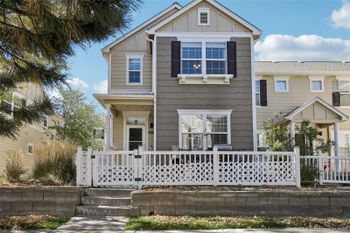


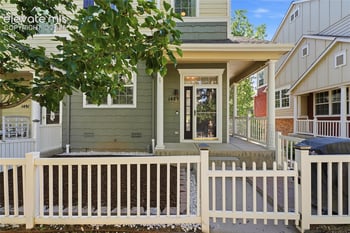
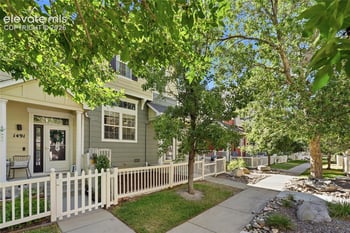


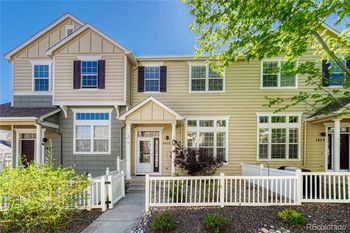


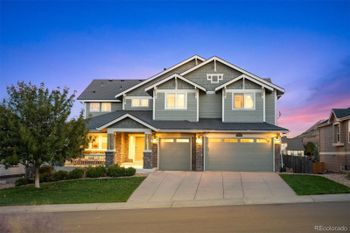
Red Hawk is the neighborhood. Red Hawk Ridge is the golf course it wraps around, and the Town of Castle Rock owns and runs that course. The Meadows is the much larger community next door, and portal results blur all three together. The question I hear most from buyers here is whether living on a public course feels different from buying into a private golf club. It does. The differences show up in your monthly costs and in how exposed your lot is to play. The HOA's job changes too. The sections below sort those out while you scroll through the listings.
Red Hawk Ridge opened in 1999 as a Castle Rock municipal course. Jim Engh designed it, and it plays 6,942 yards from the back tees. No membership comes with a Red Hawk deed. You won't pay an initiation fee or club dues, and anyone can book a tee time. The Town markets it as country club conditions at a more affordable price. Golf reviewers agree it doesn't play like an ordinary municipal layout, and they point to the 14th hole as the signature. It's a 216-yard par 3.
The tradeoff is public play. The golfers behind your fence are the general public, not members who know the neighbors. Engh built the course around extreme elevation changes. That terrain gives Red Hawk its walk-out basements, and it also puts certain backyards in the flight path of errant shots. I check fairway exposure lot by lot on a tour instead of trusting the listing remarks. A home two doors down the same street can face a completely different angle.
Red Hawk doesn't run under a single HOA. Red Hawk Homeowners Association covers part of the neighborhood. Red Hawk 3 HOA covers another part and uses Avenue One Properties as its manager, with an online portal for dues and maintenance requests. The townhomes have their own association on top of that. Manager names are floating around online for the main HOA, and several of them are outdated. We confirm the current manager directly with the association rather than relying on a directory listing.
The 1st thing we do under contract is match the exact address to the right association and pull that set of documents. The wrong packet burns a week of the review period, which is common when an agent assumes one HOA covers the whole subdivision.
Metro district status is the other open question. A metro district is a taxing district that a developer creates at build-out to fund streets and water lines through an additional property tax. The Town confirms several Castle Rock neighborhoods have one. I haven't confirmed whether Red Hawk does, and buyers here tend to assume there's none. We pull the Douglas County tax record for the specific parcel and read the authority list before the buyer settles on a monthly payment. That list shows every mill levy on the property, and a mill levy is the tax rate charged per $1,000 of assessed value. The school district alone carries 35.743 mills in one sampled Castle Rock district, so the district lines matter.
Portals pull results by radius, not by plat map. So a Red Hawk search returns 5,000- to 7,600-square-foot new builds right next to 1,300- to 1,600-square-foot townhomes. The big ones come from Chateau at The Meadows, where Richmond American and BLVD Builders are selling plans. Starry Night Loop is a good example. It shows up in Red Hawk sold data even though it's a Meadows street.
The quickest tell is the HOA name in the listing details. A builder warranty in the disclosures is the second tell. If new construction is what you actually want, the Castle Rock new construction search pulls it out cleanly. If the smaller attached homes caught your eye, the Castle Rock townhomes search does the same. One more source of noise is Red Hawk Crossings, an apartment community with townhome-style rentals that isn't part of the neighborhood at all.
Ridgeline Open Space covers 367 acres and connects to Red Hawk's paved trails. It has four color-coded loops, and the Stewart Trail outer loop runs 9.5 miles. Trailhead parking is at Bison Park and on Coachline Road, though from Red Hawk you can ride in without loading a bike on a car.
Dense Gambel oak covers much of Ridgeline. Oak brush burns hot, so on any lot backing to open space, we treat defensible space as a real inspection item. Defensible space is the cleared buffer between the house and the brush. I look at how close the oak grows to the fence line and whether the seller has ever thinned it.
Buyers touring Red Hawk usually see newer Meadows homes the same afternoon. That comparison shapes how they read every flaw. Roof age comes first, and I ask the seller for the insurance claim history because Castle Rock hail hits hard. Radon results come next, and we test rather than rely on a past report. Expansive soil leaves evidence too. Cracked drywall at door corners, doors that stick, and patios that slope toward the house all point to movement. We also separate original finishes from real updates, because a seller's price often assumes a remodel the house never got.
The biggest mistake buyers make here is skipping the school check because the address says Castle Rock. Red Hawk homes are assigned to Clear Sky Elementary, Castle Rock Middle, and Castle View High. The Meadows edge is close enough that we confirm the exact parcel on the DCSD boundary tool before the buyer plans around it.
If one of the listings above fits, call us at 720-706-6333 and we'll get you in quickly. We'll pull the right HOA packet and the Douglas County tax record before you're deep into the contract, so the monthly number holds up. For the wider picture, the Castle Rock page covers every neighborhood in town, and The Meadows and ZIP 80109 are the two searches most Red Hawk shoppers open next. The Douglas County page rounds out the area if you're still deciding between towns.