


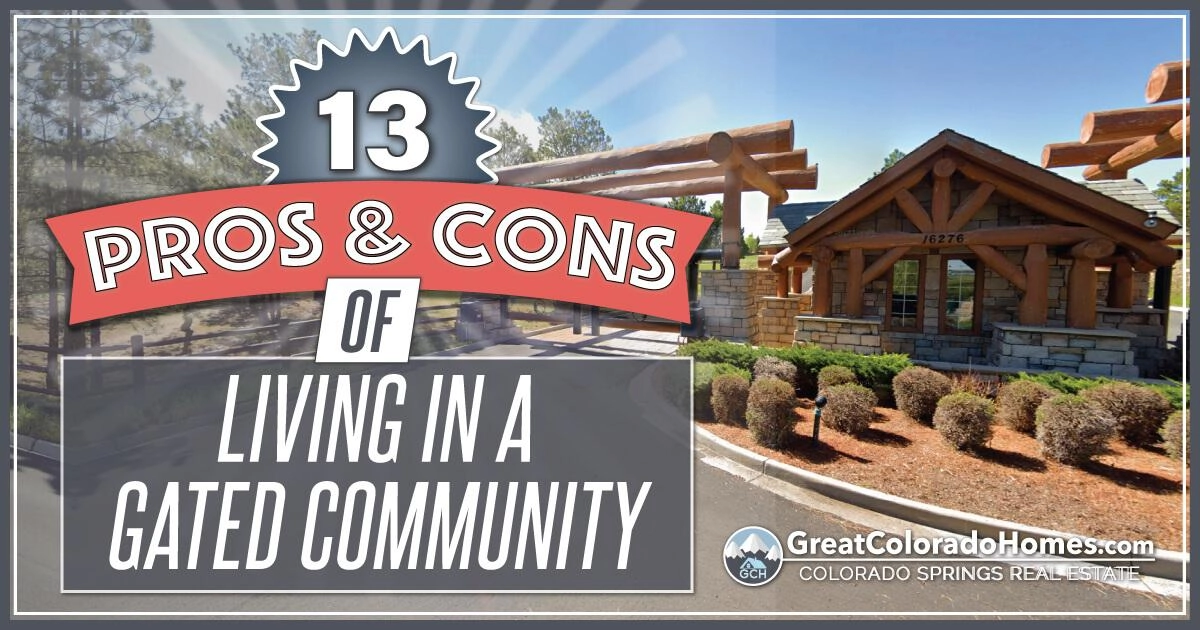
Living in a gated community can sound simple from the outside. You picture a private entrance, quieter streets, nicer landscaping, and fewer people driving through the neighborhood without a reason. After living in a gated community myself and working with buyers around Colorado Springs, I can tell you the real answer is more balanced.
Some buyers love the structure, privacy, and amenities. Others get frustrated by the gate, HOA rules, fees, and the extra steps required for guests and deliveries. The best gated community is not just the one with the nicest entrance. It is the one where the rules, budget, access, amenities, and neighborhood culture match how you actually live.
If you are comparing gated community homes in Colorado Springs, call Great Colorado Homes at 719-357-7366. We can help you compare the gate setup, HOA documents, amenities, and resale factors before you commit to a neighborhood.
Living in a gated community is a lifestyle trade-off
A gated community is a residential neighborhood with controlled access. Some communities use a keypad, remote, card reader, license plate system, guardhouse, or app-based visitor system. Others combine a gate with private roads, walls, fences, security patrols, cameras, or shared amenities.
 In Colorado Springs, gated communities can look very different from each other. Some are luxury enclaves with custom homes and mountain views. Others are smaller patio home, townhome, condo, or low-maintenance neighborhoods with a gate at the entrance. Areas like Kissing Camels, Flying Horse, High Forest Ranch, and other private communities can appeal to different buyers for different reasons.
The gate is only one part of the decision. I would spend just as much time reviewing the HOA budget, reserve funds, rules, guest policies, road ownership, snow removal, insurance responsibilities, architectural standards, and pet or parking restrictions.
A gate adds control, but it does not replace normal security habits
Security is the first benefit most people mention, and there is research to back up its appeal. A study summarized by the Crime and Justice Research Alliance found that homes in non-gated communities were burglarized 33% more often than homes in gated communities, while also noting that burglary is relatively rare across all households Crime and Justice Research Alliance.
That does not mean a gate makes a neighborhood crime-proof. Codes get shared. Cars can follow another vehicle through the gate. Contractors, delivery drivers, guests, service providers, and vendors may enter often. A gated entrance can discourage random traffic, but it is not a substitute for locking your doors, securing your vehicles, and maintaining standard home security practices.
I like gated communities best when buyers see the gate as a filter, not a fortress. It can reduce casual access, but it cannot solve every problem.
THE PROS OF LIVING IN A GATED COMMUNITY:

1. Gated communities can provide more controlled access
The biggest practical advantage is controlled access. In my gated community, most people entering the neighborhood lived there, were visiting someone, or had a reason to be there. That changed the feel of the streets.
Controlled access can reduce door-to-door solicitation, random cut-through traffic, and vehicles using the neighborhood as a shortcut. It can also make guest activity easier to track if the community has a guardhouse, an entry log, a camera system, or an app-based guest list.
The level of control depends on the setup. A guarded gate with visitor screening is very different from an unmanned keypad gate where the same code gets shared for years.
2. Gated neighborhoods often feel more private
 Privacy is another major reason buyers consider gated communities. A wall, fence, entry gate, landscaping, and limited access can make the neighborhood feel more separate from surrounding streets.
That privacy can be valuable if you dislike unexpected visitors, frequent solicitors, or heavy street traffic. It can also make shared amenities feel more private, as pools, trails, clubhouses, and parks are often reserved for residents and approved guests.
The layout still matters. Some gated communities have homes close together, shared driveways, or common areas near backyards. A private entrance does not always mean every lot feels private.
3. Gated living can mean less through-traffic
Limited entrances usually reduce through-traffic. That can make the streets feel quieter and less hectic, especially when the neighborhood is near a busier road or commuter route.
This was one of my favorite parts of living in a gated community. Our streets were not used as a shortcut during rush hour. People still drove through the neighborhood, but most vehicles had a reason to be there.
Buyers should still visit at different times of day. A quiet gate at 11 a.m. may feel different during school release times, evening commute hours, or weekend events.
4. Many gated communities offer better shared amenities
Some gated communities offer amenities that would be expensive to own or maintain privately. Depending on the neighborhood, those amenities may include a pool, clubhouse, fitness room, trails, parks, tennis courts, pickleball courts, golf access, open space, or private roads.
The real question is whether you will use the amenities enough to justify the cost. A beautiful clubhouse does little good if you rarely use it. A private trail system may be worth a lot if you walk every day.
When I help buyers compare gated communities, I like to separate amenities into two groups. The first group includes features they will use weekly. The second group includes features that look nice in the listing photos but rarely affect daily life.
5. HOA standards can help protect neighborhood appearance
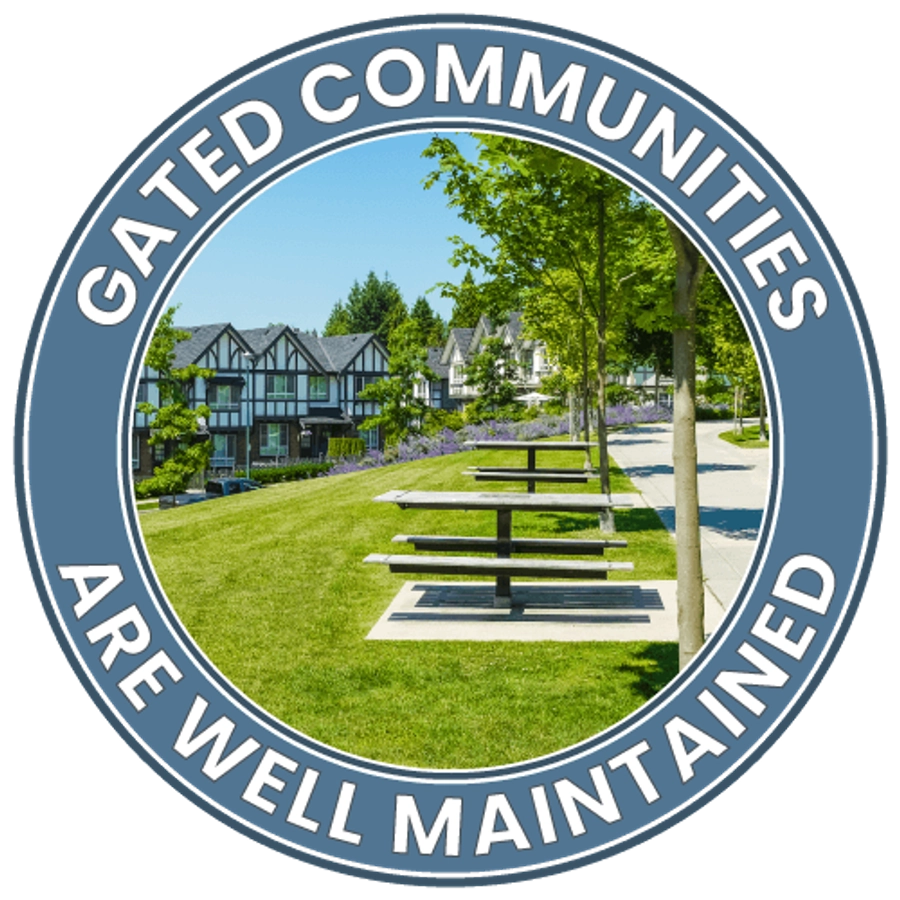 Most gated communities have an HOA or similar association. That association usually maintains common areas, manages amenities, enforces rules, and sets exterior standards.
Those rules can protect the look and condition of the neighborhood. They may regulate paint colors, roof materials, landscaping, parking, fencing, exterior changes, trash cans, short-term rentals, and maintenance expectations.
This can be a positive for buyers who want consistency. It can also frustrate buyers who want more freedom. The HOA documents matter more than the gate when you are deciding whether the neighborhood fits you.
6. Some gated communities can support stronger resale value
Research shows that homes in gated communities can sell for a premium. Florida Atlantic University reported on research published by the American Real Estate Society that found gated-community homes sold for about $30,000 more on average than comparable non-gated homes in the study sample Florida Atlantic University.
The same research also found that added amenities can reduce value when their maintenance costs outweigh the benefit. That is important. A gate may add value, but an expensive amenity package does not automatically make an investment better.
In Colorado Springs, I would compare recent sales inside the community with similar homes outside the gate. I would also look at HOA dues, special assessment history, days on market, and whether buyers clearly value that specific gate and amenity package.
7. A gated neighborhood can create a stronger community routine
Gated communities can make it easier for neighbors to interact. Shared amenities, community events, walking paths, HOA meetings, and private roads can create natural places for people to see each other.
In the gated community where I lived, I enjoyed casual conversations with neighbors during walks and outdoor gatherings. The shared neighborhood experience gave people an easy starting point.
This is not guaranteed. Some communities are social. Others are quiet and private. If that part matters to you, visit the amenities, read the newsletters, ask about events, and see how active the HOA really is.
THE CONS OF LIVING IN A GATED COMMUNITY:

8. Entering and exiting through a gate is less convenient
The gate that adds privacy also adds friction. Guests may need a code, remote access, pre-approval, a guard check, or app approval. Deliveries may require special instructions. Service providers may need access during certain hours.
I learned this firsthand when my gate remote stopped working and I could not remember the code. That small problem became a real inconvenience. Buyers should ask how the gate works, who manages access, and what happens when the system fails.
Also check emergency access. Fire, police, medical, snow removal, and utility access should be part of your due diligence, especially in communities with limited entrances or private roads.
9. Gated communities can create a false sense of security
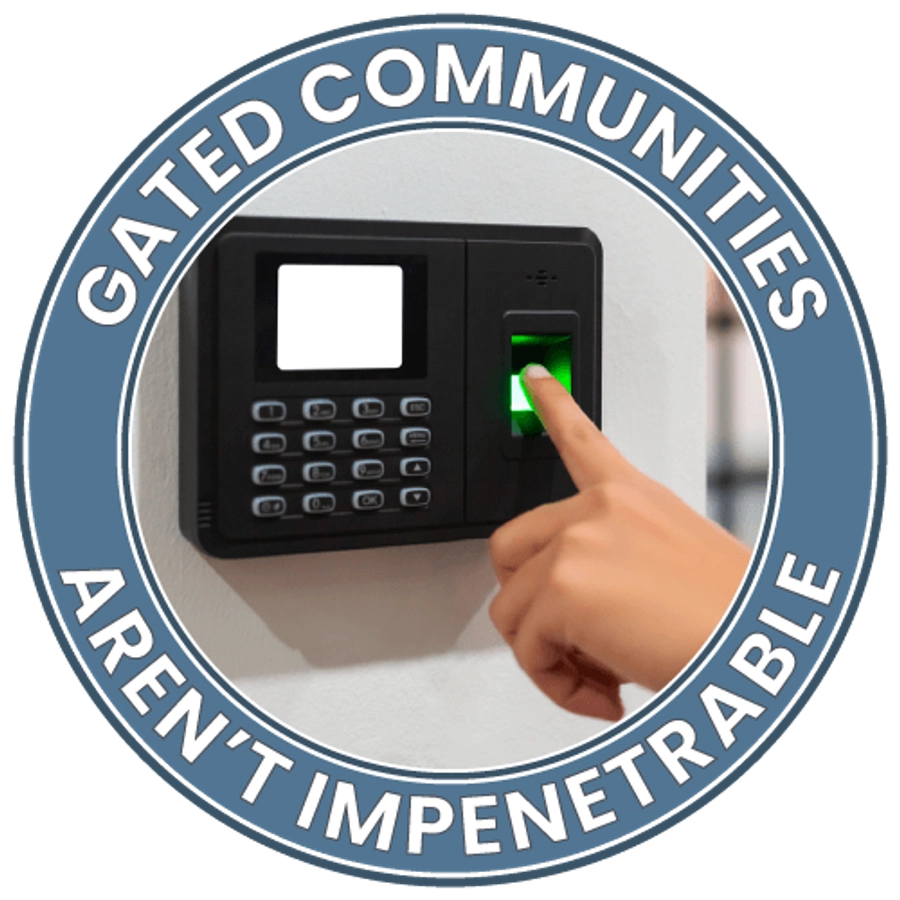 One of the biggest mistakes is assuming the gate solves every security issue. It does not. Residents may become less careful about locking cars, securing homes, and paying attention to strangers.
Codes also spread quickly. Family members, friends, delivery drivers, contractors, landscapers, cleaners, and repair people may all receive access. Tailgating can happen when one vehicle follows another through the gate.
A gated entrance works best as one layer of security. It should not replace normal precautions or a realistic understanding of what the community does and does not control.
10. HOA rules can feel restrictive
HOA rules are one of the biggest complaints buyers have about gated communities. The same rules that keep the neighborhood looking clean can also limit what you do with your property.
Common restrictions may cover exterior paint, landscaping, holiday decorations, fencing, parking, signs, pets, trash cans, rentals, home businesses, noise, and architectural changes. Some communities are reasonable. Others can feel strict.
In Colorado, common interest communities are often governed by documents tied to the Colorado Common Interest Ownership Act, also known as CCIOA Colorado General Assembly. Read the declaration, bylaws, rules, budget, meeting minutes, insurance details, and reserve study before your deadline.
11. Gated communities often have higher HOA costs
Gates, private roads, landscaping, security staff, cameras, snow removal, clubhouses, pools, and amenities all cost money. Those expenses are usually reflected in HOA dues, special assessments, or higher purchase prices.
The U.S. Census Bureau reported that about 21.6 million owned households paid condo or HOA fees in 2024, and the national median monthly fee was $135 U.S. Census Bureau. Gated communities with more amenities or private services can cost much more than that.
Do not compare dues by number alone. A $250 monthly HOA fee may be reasonable if it covers services you would otherwise pay for separately. A lower fee can be risky if the community is underfunded and heading toward a special assessment. Our guide to common fees when buying a house can help you think through the full monthly cost.
12. Shared rules and close proximity can reduce personal privacy
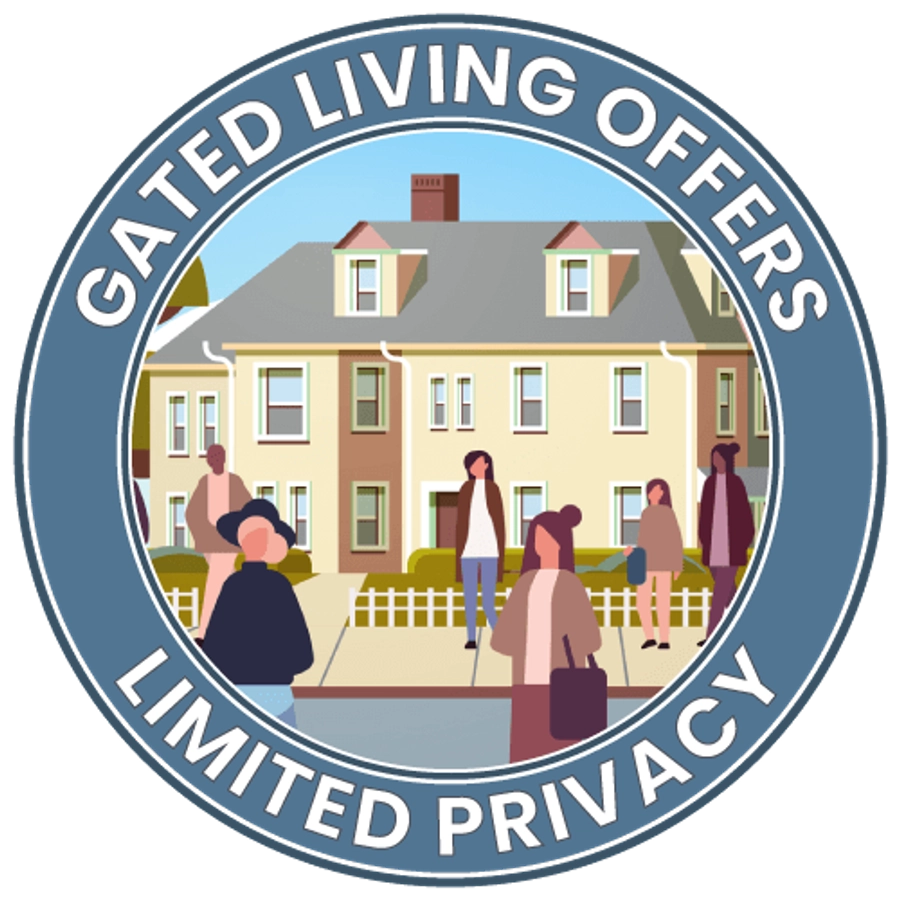 Gated communities can feel private from the outside, but less private inside. Neighbors may notice guest traffic, landscaping changes, trash cans, parking patterns, pets, noise, and exterior projects.
In my own experience, this was mostly fine, but it came with moments that felt intrusive. I was once reported for leaving trash cans out too long. I also had neighbors stop me for conversations when I was in a hurry.
That may sound minor, and often it is. Still, buyers should understand the social rhythm of the community. Some people love that connected feeling. Others prefer more space and less visibility.
13. HOA boards and neighbor conflicts can affect daily life
A well-run HOA can make a gated community easier to enjoy. A poorly run HOA can create stress, surprise costs, weak maintenance, inconsistent enforcement, and neighbor conflict.
Before buying, review meeting minutes and financial documents. Look for repeated disputes, deferred maintenance, pending litigation, high delinquency rates, reserve shortages, or frequent special assessments.
I also like asking practical questions during showings. Are the common areas clean? Do residents seem to follow parking rules? Are the gates working? Are landscaping and roads maintained? Does the HOA communicate clearly? Those clues can tell you a lot.
Guarded and unguarded gated communities are not the same
A guarded gated community usually has staff at the entrance. That person may screen visitors, check names, issue passes, monitor deliveries, and keep a log of who enters. This can add control, but it also increases HOA costs.
An unguarded gated community usually relies on keypads, remotes, cards, cameras, or app-based access. It may cost less to operate, but it also depends more on residents using the system correctly.
When comparing the two, ask these questions:
- Is the gate staffed, automated, or both?
- How are guest codes issued and changed?
- Can delivery drivers enter without calling the owner?
- Who repairs the gate when it fails?
- Are roads public or private?
- How do emergency services enter?
- Are cameras monitored or simply recorded?
The answer may matter more than the word "gated" in the listing description.
Colorado Springs gated communities need local due diligence
Colorado Springs buyers should treat each gated community as its own search. A gated condo community near the center of town is different from a custom-home community near the foothills, a golf-course neighborhood, or a low-maintenance patio home area.
If you are shopping locally, compare the gate with the rest of the neighborhood package. Some buyers will care most about privacy. Others will care about mountain views, trails, golf, low-maintenance living, or luxury finishes. Our pages for Colorado Springs luxury homes and luxury neighborhoods in Colorado Springs can help you compare gated communities with other higher-end options.
I would also review property history and public records before writing an offer. Our guide on how to find property history explains where to start when you want a clearer picture of the home and community.
Documents to review before buying in a gated community
The best time to understand a gated community is before you are emotionally attached to the house. Once you love the kitchen, views, or yard, it becomes harder to read the HOA packet with a clear mind.
Ask for these items early:
- HOA declaration and bylaws
- Rules and regulations
- Architectural guidelines
- Current budget
- Reserve study
- Recent meeting minutes
- Insurance information
- Special assessment history
- Gate maintenance responsibility
- Road maintenance responsibility
- Guest, delivery, parking, and rental policies
- Pet and exterior-use rules
Colorado law summaries also explain that some HOA property-right limits are restricted by state law, so it is worth understanding both the community rules and the broader legal framework Colorado General Assembly. If a rule could affect how you use the home, ask questions before the inspection and document deadlines pass.
The right gated community depends on what you value most
Living in a gated community can be a great fit when the added privacy, controlled access, amenities, and maintenance standards match your priorities. It can be a poor fit when the rules, cost, guest process, or HOA culture feel like a burden.
I would not buy a gated home just because the entrance looks impressive. I would buy one because the full neighborhood package makes sense. That includes the home, the lot, the monthly cost, the HOA documents, the access system, the amenities, and the community's feel in person.
If you are serious about a home in a gated community, tour the neighborhood more than once. Drive the entrance during busy times. Read the HOA packet. Ask how deliveries work. Check the amenities you will actually use. Talk through the offer timeline with your agent so you have time to review documents after your contract is accepted. Our article on what happens after your offer is accepted explains why those deadlines matter.
Final thoughts on living in a gated community
Living in a gated community is not automatically better or worse than living in a non-gated neighborhood. It depends on the specific community, the HOA, the gate system, the cost, and how well the neighborhood fits your daily life.
From my experience as both a resident and a real estate agent, gated communities work best for buyers who want structure and are comfortable reading the rules before they buy. They work less well for buyers who want maximum flexibility, fewer monthly obligations, and fewer shared decisions.
If you are comparing gated communities in Colorado Springs, Great Colorado Homes can help you sort through the real trade-offs. Call us at 719-357-7366, and we will help you compare the homes, HOA documents, fees, access details, and neighborhoods before you make a decision.
.png)


.png)