

New - 7 Hours Ago


$380,000
Active
4
Beds
3
Baths
1600
Sqft
0.1409
Acres
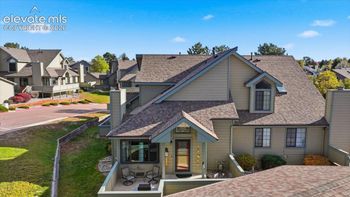
3469 Monica Dr, Colorado Springs, CO 80916
MLS#: 9438615



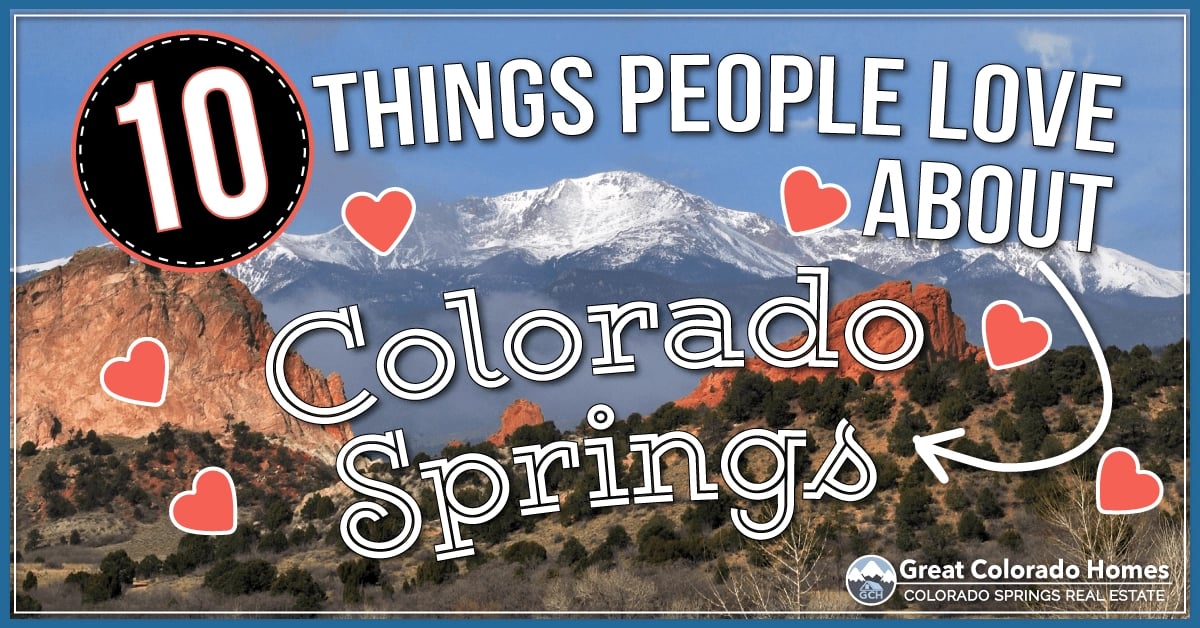
Colorado Springs, CO is one of the most memorable cities in the country. It has mountain views, red rock formations, historic districts, year-round events, and easy access to the outdoors. The city feels big enough to offer major amenities, but still personal enough to feel connected to the land around it.
Colorado Springs is located in El Paso County and has about 488,670 residents across 201.9 square miles, based on ACS 2023 1-year data. That gives the city room for foothill neighborhoods, open-space areas, commercial corridors, historic districts, and wide mountain views. It is the second-largest city in Colorado and one of the most recognizable places along the Front Range.
People love Colorado Springs for different reasons. Some come for Garden of the Gods, Pikes Peak, and the mountain backdrop. Others love the events, local businesses, dry climate, and small-town feel inside a growing city. This visual guide shows ten reasons Colorado Springs has such a strong pull on people who spend time here.
The info and graphics below show why Colorado Springs is easy to appreciate. The city blends outdoor access, local culture, historic places, mountain scenery, and everyday convenience in a way that feels different from many other Colorado cities.

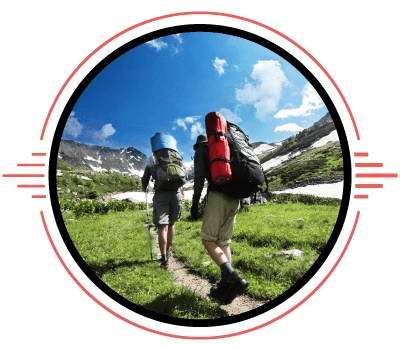 THE GREAT OUTDOORS
Colorado Springs is known for outdoor access that starts inside the city limits. The Visit Colorado Springs parks and trails guide lists places like Garden of the Gods, Palmer Park, Red Rock Canyon Open Space, North Cheyenne Cañon, Cheyenne Mountain State Park, and Bear Creek Regional Park.
Parks and trails are scattered throughout every part of Colorado Springs. Many trail systems connect across neighborhoods, open spaces, and foothill areas. A short drive can take you from city streets to red rocks, pine trees, waterfalls, or high-country views.
The outdoor access also changes depending on which side of town you explore. The west side has quick access to Garden of the Gods, Red Rock Canyon Open Space, and Manitou Springs. The southwest side puts places like Cheyenne Mountain State Park and North Cheyenne Cañon closer to everyday routines. Highway 24 opens the door toward Woodland Park, Rampart Range, and Pike National Forest.
Camping, hiking, biking, rock climbing, and scenic drives are part of the city’s identity. Few places combine daily convenience with this much outdoor access so close to the center of town.
 LOCAL EVENTS
The size of Colorado Springs makes local events large enough to feel memorable yet easy to enjoy. The Air Force Academy graduation ceremony is one of the highlights of the year, with the Thunderbirds air show visible from miles around.
Colorado Springs also has a strong concert and performance scene. The Broadmoor World Arena and the Pikes Peak Center for the Performing Arts bring major shows, comedy, music, and community events into the city. The Fine Arts Center at Colorado College, the Colorado Springs Philharmonic, and Weidner Field add even more activity to the local calendar.
Some events have become part of the city’s identity. Territory Days brings crowds into Old Colorado City each Memorial Day weekend, while the Labor Day Lift Off fills the sky with hot air balloons at the end of summer. The Arts Month program also gives October a strong creative focus across the Pikes Peak region.
The Visit Colorado Springs events calendar covers the Pikes Peak region and includes music festivals, art walks, theater performances, museum tours, seasonal events, and smaller local gatherings. Summer weekends can feel packed because so many events are happening across the city at once.
 HEALTHY LIVING
Colorado Springs has a strong outdoor and fitness culture. The elevation, dry air, sunshine, and easy access to trails encourage people to spend more time outside. Even a normal day can include a walk through a neighborhood park or a quick hike after work.
The city’s Olympic identity adds another layer to that active culture. Colorado Springs is known as Olympic City USA and is home to more than 25 national governing bodies, the U.S. Olympic & Paralympic Training Center, the U.S. Olympic & Paralympic Museum, and the Olympic & Paralympic Velodrome.
The Manitou Incline is another local symbol of that mindset. It climbs 2,000 vertical feet over less than 1 mile and features 2,768 steps, making it one of the most recognizable fitness challenges in the area.
The setting makes activity feel natural. Hiking, biking, walking, climbing, and running are all woven into the city’s rhythm. I see this constantly while working across Colorado Springs. People tend to talk about trails, views, weather, and outdoor plans in everyday conversation.
 COMMUNITY
Colorado Springs may look like a large growing city at first glance, but many parts of town still feel personal and connected. Local markets, small businesses, volunteer groups, outdoor clubs, and neighborhood events help give the city a strong sense of community.
Small business support is part of the local culture. Coffee shops, restaurants, boutiques, breweries, gyms, and service businesses all help shape the city's character. Different areas of town have their own feel, from Downtown Colorado Springs to Old Colorado City and Manitou Springs.
That area-by-area personality is one of the most interesting parts of the city. Downtown, Old Colorado City, Manitou Springs, the west side, Briargate, the Broadmoor area, and the east side can all feel different from one another. I notice this most when crossing town for showings because the streets, views, businesses, and pace can change quickly.
There are also many ways to connect around shared interests. Hiking groups, dog groups, sports leagues, art events, church communities, and local business networks all add to the city’s personality. Even the city’s dog-friendly culture shows up through places like Bear Creek Dog Park and local events such as Pawtoberfest.
 AFFORDABILITY
Affordability in Colorado Springs looks different today than it did a decade ago, but value is still part of the local conversation. Data USA lists the 2024 median property value in Colorado Springs at $452,600, which reflects how much the market has changed since older affordability comparisons were first published.
The city still offers a wide range of property types and price points. There are historic homes, newer planned communities, foothill neighborhoods, condos, townhomes, acreage properties, and luxury homes throughout the area.
That variety is one reason people continue to pay attention to Colorado Springs. The right fit can look very different depending on whether someone is drawn to trail access, downtown streets, north-side convenience, mountain views, or a quieter edge-of-town setting.
Compared with many Front Range markets, Colorado Springs also gives people more ways to balance location and property style. A person drawn to older homes may focus near Downtown, Old Colorado City, or the west side. Someone who wants newer construction may spend more time comparing Briargate, Wolf Ranch, Banning Lewis Ranch, Cordera, or other planned communities.
 SUSTAINABLE ECONOMY
Colorado Springs has a broad local economy with military, aerospace, defense, sports, healthcare, tourism, education, and small business activity. The Colorado Springs Chamber & EDC includes aerospace and defense, sports, higher education, research firms, companies, and Space Force investment as part of the region’s business story.
The local small business scene is one of the reasons people love the city. Restaurants, shops, fitness businesses, contractors, creative companies, and professional services all help create a steady local rhythm. This gives Colorado Springs a different feel from places built mainly around one corporate center.
The U.S. Military also has a major presence in the region. Fort Carson, the U.S. Air Force Academy, Peterson Space Force Base, Schriever Space Force Base, and Cheyenne Mountain Space Force Station all play important roles in the Colorado Springs economy.
Sports and wellness are part of the economic picture too. Olympic City USA is more than a nickname. It connects the city to national sports organizations, training facilities, events, tourism, and a public identity recognized far beyond Colorado.
 FOUR FULL SEASONS
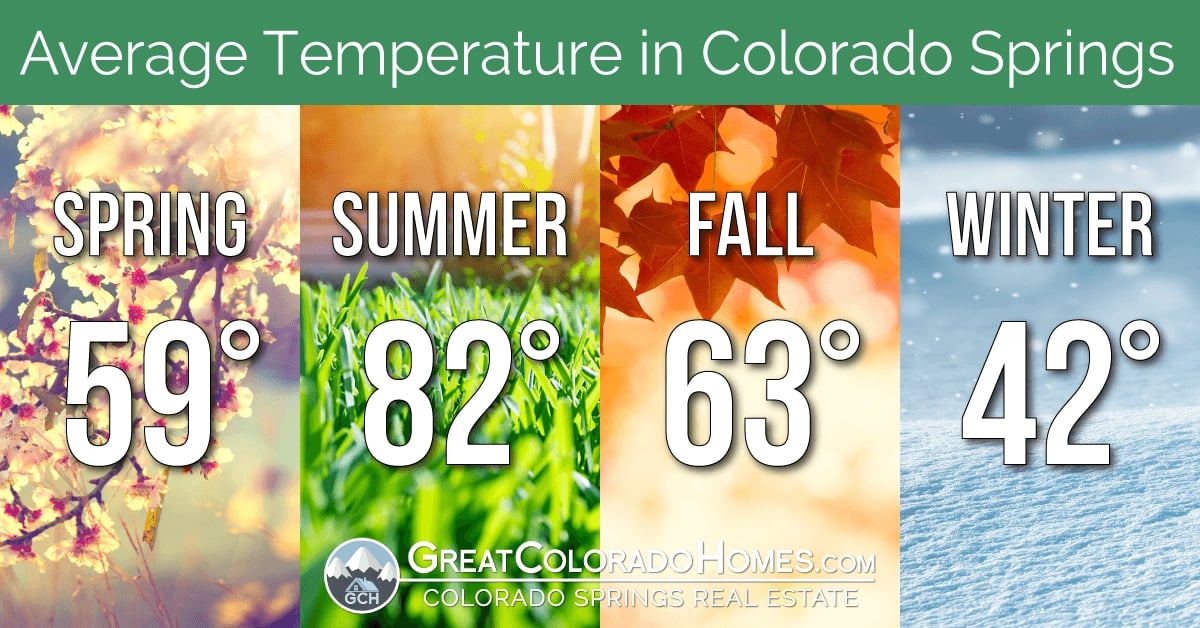
Colorado Springs has four distinct seasons, but the weather often surprises people. The National Weather Service climate normals for Colorado Springs show an annual average temperature of 50.4°F, annual precipitation of 15.91 inches, and annual snowfall of 32.5 inches for the 1991 to 2020 normals period.
Each season gives the city a different look. Fall brings golden aspens in the mountains, pumpkin patches, and day trips toward places like Penrose. Winter opens the door to ski trips and snowy foothill views. Spring brings green hillsides and dramatic clouds. Summer is built for hiking, concerts, patios, and long evenings outside.
Some of the best seasonal moments happen close to town. North Cheyenne Cañon, Gold Camp Road, Garden of the Gods, and the roads heading west toward Woodland Park can all feel different from month to month. I think that seasonal variety is one reason Colorado Springs stays interesting even after someone has seen the landmarks many times.
The dry air changes how the weather feels. Cold temperatures often feel less harsh than expected, and hot days can feel more manageable than humid climates. Then a hailstorm or quick snow squall shows up and reminds everyone that Colorado weather has its own personality.
 AIR QUALITY
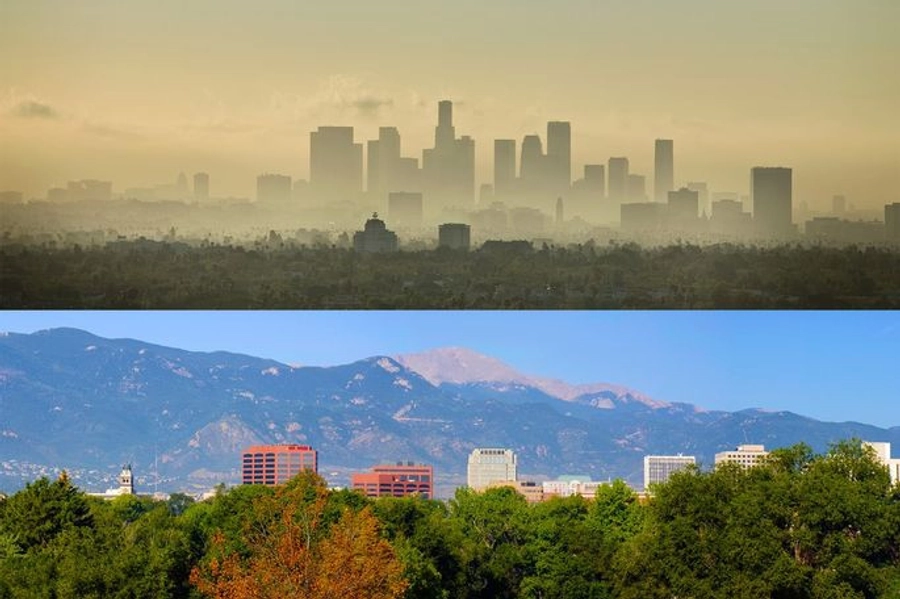
People often notice the air in Colorado Springs. The climate is dry, the elevation is high, and the mountain setting gives the city a crisp feel on many days. Clear mornings with Pikes Peak in view are part of the local experience.
Air quality can change with wildfire smoke, ozone, wind, and seasonal weather patterns. For current conditions, AirNow provides EPA-backed real-time air quality information, and the American Lung Association State of the Air profile for Colorado Springs gives a broader look at local air-quality grades and trends.
The air is not the same every day, but the combination of elevation, dry climate, and open mountain views is a major part of how people remember the city. On clear days, the distance you can see across the Front Range is hard to forget.
This image shows a visual comparison between Los Angeles and Colorado Springs.
 SMALL TOWN CHARM
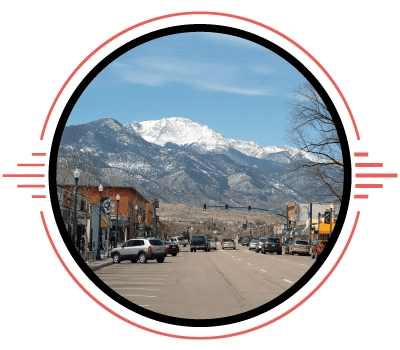
One of the best parts of Colorado Springs is how it blends city amenities with a small-town feel. Downtown is not just an office district. It has restaurants, coffee shops, bars, galleries, trails, museums, and public spaces that keep it active beyond the workday.
Within a few miles of Downtown, you can visit Old Colorado City and Manitou Springs. These areas add historic storefronts, walkable streets, local restaurants, and mountain-town character to the broader Colorado Springs experience.
The west side, Downtown, Old Colorado City, Manitou Springs, and the Broadmoor area give the city much of its older character. North-side areas like Briargate and Flying Horse feel more suburban and planned. East-side communities bring newer growth, wider roads, and a different daily rhythm. That variety helps Colorado Springs feel like several connected places rather than one flat cityscape.
The Broadmoor area adds another layer of history and scenery. The Broadmoor Hotel and the Cheyenne Mountain Zoo are two of the city’s most recognizable attractions.
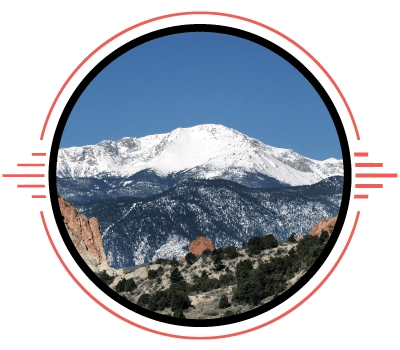 HISTORIC LANDMARKS
Colorado Springs has an unusually large number of memorable landmarks for a city its size. The most recognizable is Pikes Peak, also known as America’s Mountain. Its beauty helped inspire the poem “America the Beautiful,” and its 14,115-foot summit dominates the skyline.
Garden of the Gods is another defining landmark. It is a free City Park and National Natural Landmark that was deeded to Colorado Springs in 1909 under the condition that it remain “forever free” to the public. The park is known for red rock formations, paved walkways, and more rugged trails.
Seven Falls, Manitou Cliff Dwellings, Cave of the Winds, and the Royal Gorge add even more depth to the area. These landmarks are a major reason people remember Colorado Springs long after visiting.
The landmarks also help explain why the city photographs so well. Red rocks, foothill canyons, historic resort architecture, mountain roads, and the Pikes Peak backdrop give Colorado Springs a visual identity that is hard to confuse with any other Front Range city.
Colorado Springs leaves a strong impression because nature is part of the city’s daily identity. The views, trails, red rocks, historic districts, local businesses, and mountain air all work together. I still catch myself stopping to look at Pikes Peak on ordinary days, and that is one of the clearest signs of why people love this place.
Spend a day at Garden of the Gods, walk through Old Colorado City, visit Manitou Springs, and take in the view from a trail near the foothills. It does not take long to understand why Colorado Springs stays with people.
.jpg)
If you're considering moving to Colorado Springs, this article will explain the main pros and cons of the area. Colorado Springs has a unique personality, unlike any other city in the country. Let's dive in.I operate a real estate brokerage in Colorado Springs and am a Realtor who serves every part of the city. I've worked in every neighborhood and have boots-on-the-ground experience with the are
People often ask which neighborhood in Colorado Springs is the best, but the real answer depends on your needs and lifestyle. Some people want a big, flat yard with plenty of green grass. Others dream of a home nestled in the hills, surrounded by rocks and pine trees. You might want to live close to top-rated schools, or maybe you prefer a quiet spot far from daily traffic and noise.Choosing a ne
Colorado Springs gained a large number of new residents over the last ten years. During this time, neighborhoods evolved their amenities and floor plans to meet the strong buyer demand. We wanted to find out exactly where home buyers bought the most homes in 2025, so we pulled the raw sales data from our local MLS database.These numbers show exactly which areas closed the most deals and are the m
Are you thinking about moving to Colorado Springs and want to find the best luxury neighborhoods? You're in the right place. In this guide, I will show you the top areas for luxury homes in Colorado Springs so you can make the best choice for your move.To pick these high-end neighborhoods, I used my local real estate experience and reviewed the latest home prices and sizes from our MLS. I looked