

.png)
Have you ever wondered what a Realtor really does? Behind the scenes, these independent contractors are the unsung heroes of real estate, tirelessly working around the clock to help people buy and sell homes.
A skilled Realtor has the magic touch to make complex real estate transactions seem like a breeze. But let's set the record straight - their job is anything but simple.
In this article, we'll shed light on the vital role of a real estate agent. Often underappreciated, their work is intricate and demanding yet crucial for smooth property transactions. It's time to explore the complicated job of a real estate agent. Let's dig in.
What is a Realtor?
A Realtor is a licensed professional who helps clients buy, sell, or rent properties, offering expertise, guidance, and support. They are members of the National Association of Realtors (NAR) and are held to a higher ethical standard than basic real estate agents.
Since basic real estate agents aren't affiliated with NAR, they aren't held to the same ethical standards as Realtors. The terms are often used interchangeably, leading to confusion among the general public.
 In the United States, there are approximately 3 million licensed real estate agents, of whom approximately 1,554,604 are Realtors and NAR members. It's worth inquiring about your agent's NAR membership when you initially connect with them.
NAR has had poor legal battles over the last few years, so some agents have tried to distance themselves from NAR by canceling their memberships. Regardless, many MLSs nationwide require their agents to become NAR members for local MLS access, thereby keeping the member count high. It's a complicated system.
Real estate agents are independent contractors, individuals who function as self-employed professionals rather than W-2 employees. This status grants Realtors considerable flexibility, allowing them to set their own schedules, manage their business affairs independently, and tailor their services to meet clients' unique needs. This autonomy extends to business expenses, tax responsibilities, and client relationships, giving Realtors the freedom to build their brand and navigate the real estate market in a personalized way.
This independence comes with its own set of challenges. Realtors, as independent contractors, must take charge of their marketing efforts, brand development, and professional education. Managing business expenses and navigating the real estate market fluctuations become integral aspects of their role. While the potential for higher earnings exists, it requires a high level of self-discipline, financial awareness, and a proactive approach to thrive in the competitive real estate industry.
What's It Like To Be A Realtor?
 A day in the life of a Realtor is anything but typical; each day brings new challenges and opportunities. Mornings often kick off with a quick check of emails and the latest property listings. They may plan follow-up phone calls to their sphere of influence or prepare market research for a new client. They never run out of things to do and are rarely bored.
It's time to hit the road once the day's groundwork is laid. Showings and property tours are the heart of the job. Racing against the clock to unlock doors, explore homes, and unveil potential dream spaces is common. It's a bit like being a tour guide, sharing stories about each property's quirks and charms.
Personal connections are key. Meetings with clients often involve coffee, laughter, and serious discussions about budgets and wish lists. There's a special joy in helping someone find the perfect home, like fitting puzzle pieces together.
But let's not forget the paperwork. Contracts, negotiations, and fine print are backdrops of a Realtor's day. It's not the most glamorous part, but it's the glue that holds the real estate world together.
And then there are those unexpected moments, like when a neighbor's cat keeps photobombing a property photo shoot, or the impromptu celebration when a tough deal finally closes. These moments add a dash of unpredictability to the routine. Every day is a new surprise, which is my favorite part of the job.
Evenings often end with a glance at tomorrow's schedule and a sense of fulfillment. Being a Realtor is like conducting a symphony of homes, paperwork, and human stories, creating a harmonious melody of successful transactions and happy homeowners. It's not just a job; it's a lifestyle filled with surprises, challenges, and the satisfaction of turning real estate dreams into reality.
Interesting Realtor Statistics from NAR
 Here are some interesting statistics from the National Association of Realtors. These stats will give you a better idea of the demographics of real estate agents in the US.
-
Number of Realtors: As of July 2024, there were approximately 1.5 million Realtors in the United States.
-
Median Age of Realtors: The National Association of Realtors (NAR) reported that the median age of Realtors in 2022 was 55.
-
Gender Distribution: According to the NAR, in 2024, 65% of Realtors were female, and 35% were male.
-
Average Income: The median gross income for Realtors was $55,800 in 2023, according to the NAR. However, income can vary significantly based on experience, location, and market conditions.
-
Business Source: Around 20% of Realtors reported deriving the majority of their business from repeat clients and referrals, underscoring the importance of building strong relationships in this industry.
-
Education Level: A significant proportion of Realtors hold a college degree or higher. In 2024, 67% of Realtors had some level of college education.
-
Hours Worked: Realtors often work flexible hours. In 2023, 41% of Realtors reported working 20-39 hours per week, while 38% worked 40 hours or more per week. There are many part-time Realtors, but the full-time agents do the bulk of the work.
-
Years of Experience: Most Realtors have substantial experience in the field. In 2024, 56% of Realtors had more than 10 years of experience.
-
Social Media Usage: Social media is widely used among Realtors. In 2024, 97% of Realtors used social media for professional purposes, with TikTok and Facebook being the most widely used platforms.
Keep in mind that these statistics are subject to change, and it's advisable to refer to the latest reports from authoritative sources like the National Association of Realtors for the most up-to-date information.
What are the costs associated with being a Realtor?
 Realtors are responsible for a comprehensive set of duties and for various expenses as part of their profession. The perception that agents quickly amass wealth from commission checks often overshadows reality. The average Realtor takes home about $55,000 annually after deducting expenses and taxes. This highlights a common misconception about the income dynamics within the real estate sector.
The prevailing image of a Realtor might be one of luxury- driving high-end cars, enjoying leisurely weekends on a boat, and sealing lucrative deals with minimal effort. However, after nine years in the industry, I can confidently say this character seems more like a myth than a reality.
A significant portion of a Realtor's commission is reinvested in their business to cover operational costs and licensing fees, with much of the rest often ending up in their personal bank account. Below are some typical expenses Realtors manage:
Some Common Realtor Expenses:
- Broker Fees
- MLS Fees
- NAR Fees
- E&O Business Insurance
- Extended Auto Insurance
- Self-Employment Tax
- State Licensing Fees
- Advertising Fees
- Showing Service Fees
- Website Fees
- Assistant's Salaries
- Yard Signs
- Photographers
- Videographers
- Office Supplies
- Business Cards
- Property Flyers
- Electronic Lockboxes
- Continued RE Education
- Legal Fees
What Challenges Do Realtors Face?

Realtors encounter various challenges in their careers, stemming from the dynamic nature of the real estate industry. Here are a few of the common challenges that Realtors in America face:
-
Market Fluctuations: Realtors are impacted by changes in the real estate market, including shifts in demand, interest rates, and economic conditions. Adapting to market fluctuations requires strategic planning and flexibility.
-
Competition: The real estate sector is highly competitive, with numerous agents vying for clients. Standing out in a crowded market and differentiating one's services can be a constant challenge.
-
Client Expectations: Meeting diverse client expectations can be demanding. Clients may have varying needs, preferences, and timelines, requiring Realtors to effectively manage and balance these expectations.
-
Regulatory Changes: Real estate laws and regulations can evolve, affecting transaction processes. Realtors must stay informed about legal changes to ensure compliance and protect their clients' interests.
-
Technology Integration: Keeping up with technological advancements is crucial for Realtors. Integrating digital tools, social media, and online marketing requires continuous learning to stay relevant and competitive.
-
Economic Factors: Economic downturns or recessions can affect the real estate market, impacting property values and clients' ability to buy or sell. Navigating through challenging economic conditions requires strategic planning.
-
Work-Life Balance: The nature of real estate can be demanding, posing challenges to maintaining a healthy work-life balance. Realtors often work irregular hours, including evenings and weekends, to accommodate client schedules.
-
Client Acquisition and Retention: Consistently acquiring new clients and retaining existing ones is a perpetual challenge. Building a robust client base requires effective networking, marketing, and providing exceptional service.
-
Marketing Effectively: With the increasing importance of online presence, Realtors need to master digital marketing strategies. Balancing traditional and digital marketing efforts while creating compelling content is a constant challenge.
-
Negotiation Skills: Successful real estate transactions hinge on effective negotiation skills. Realtors must navigate complex negotiations with buyers, sellers, and other involved parties to secure favorable outcomes.
Addressing these challenges often involves a combination of ongoing education, strategic planning, effective communication, and adaptability to the evolving real estate landscape.
What Does A Realtor Do for Buyers?
 A Realtor assists buyers by finding suitable properties, negotiating prices, managing paperwork, guiding through inspections, and ensuring a smooth closing process, all while providing expert advice and support.
Your Realtor transforms home viewing into an art, highlighting both charms and challenges of each property, making it easier for you to envision your future home. They become your negotiation ninja when it's time to make an offer, ensuring you secure the best deal with meticulous attention to paperwork. Navigating the mortgage process becomes straightforward with their guidance towards pre-approval and reliable lenders.
Their support extends beyond the purchase: they advocate for you during inspections, stay by your side until you receive the keys, and even after. Expect continuous advice and support as you settle in. Your Realtor is more than a transaction facilitator; they're a lasting relationship builder, dedicated to making your home-buying experience joyful and stress-free.
This list highlights the comprehensive ways Realtors assist their buyers, underscoring their commitment to a seamless, enjoyable home-buying journey.
90 Things Realtors Do for Buyers
- Schedule Time To Meet Buyers
- Prepare Buyers Guide & Presentation
- Meet Buyers and Discuss Their Goals
- Explain Buyer & Seller Agency Relationships
- Discuss Different Types of Financing Options
- Help Buyers Find a Mortgage Lender
- Obtain a Pre-Approval Letter from Their Lender
- Explain What You Do For Buyers As A Realtor
- Provide an Overview of Current Market Conditions
- Explain Your Company’s Value to Buyers
- Discuss Earnest Money Deposits
- Explain Home Inspection Process
- Educate Buyers About Local Neighborhoods
- Discuss Foreclosures & Short Sales
- Gather Needs & Wants Of Their Next Home
- Explain School Districts Effect on Home Values
- Explain Recording Devices During Showings
- Learn All Buyer Goals & Make A Plan
- Create an Internal File for Buyers Records
- Send Buyers Homes Within Their Criteria
- Start Showing Buyers Homes They Request
- Schedule & Organize All Showings
- Gather Showing Instructions for Each Listing
- Send Showing Schedule to Buyers
- Show Up Early and Prepare First Showing
- Look For Possible Repair Issues While Showing
- Gather Buyer Feedback After Each Showing
- Update Buyers When New Homes Hit the Market
- Share Knowledge & Insight About Homes
- Guide Buyers Through Their Emotional Journey
- Listen & Learn From Buyers At Each Showing
- Keep Records of All Showings
- Update Listing Agents with Buyer’s Feedback
- Discuss Home Owner’s Associations
- Estimate Expected Utility Usage Costs
- Confirm Water Source and Status
- Discuss Transferable Warranties
- Explain the Property Appraisal Process
- Discuss Multiple Offer Situations
- Create Practice Offer To Help Buyers Prepare
- Provide Updated Housing Market Data to Buyers
- Inform Buyers of Their Showing Activity Weekly
- Update Buyers On Any Price Drops
- Discuss MLS Data With Buyers At Showings
- Find the Right Home for Buyers
- Determine Property Inclusions & Exclusions
- Prepare Sales Contract When Buyers are Ready
- Educate Buyers on Sales Contract Options
- Determine Need for Lead-Based Paint Disclosure
- Explain Home Warranty Options
- Update Buyer’s Pre-Approval Letter
- Discuss Loan Objection Deadlines
- Choose a Closing Date
- Verify Listing Data Is Correct
- Review Comps With Buyers To Determine Value
- Prepare & Submit Buyer’s Offer to Listing Agent
- Negotiate Buyer's Offer With Listing Agent
- Execute A Sales Contract & Disclosures
- Once Under Contract, Send to Title Company
- Coordinate Earnest Money Drop Off
- Deliver Copies to Mortgage Lender
- Obtain a copy of the Seller's Disclosure for Buyers
- Deliver Copies of Contract/Addendum to Buyers
- Obtain A Copy of the HOA Bylaws
- Keep Track of Copies for the Office File
- Coordinate Inspections with Buyers
- Meet Inspector At The Property
- Review Home Inspection with Buyers
- Negotiate Inspection Objections
- Get All Agreed Upon Repair Items in Writing
- Verify any Existing Lease Agreements
- Check In With Lender To Verify Loan Status
- Check on the Appraisal Date
- Negotiate Any Unsatisfactory Appraisals
- Coordinate Closing Times & Location
- Make Sure All Documents Are Fully Signed
- Verify Title Company Has Everything Needed
- Remind Buyers to Schedule Utilities
- Make Sure All Parties Are Notified of Closing Time
- Solve Any Title Problems Before Closing
- Receive and Review Closing Documents
- Review Closing Figures With Buyers
- Confirm Repairs Have Been Made By Sellers
- Perform Final Walk-Through with Buyers
- Resolve Any Last Minute Issues
- Get CDA Signed By Brokerage
- Attend Closing with Buyers
- Provide Home Warranty Paperwork
- Give Keys and Accessories to Buyers
- Close Out Buyer’s File with Brokerage
Buyers Agent Summary
These are a few of the many tasks a real estate agent performs for a buyer. These tasks grow as new technology is adopted every year into the real estate industry. Keep in mind that buyer's agents are independent contractors. They do not get paid until the transaction closes. Some transactions will fall apart during the financing process. Other contracts may fall apart during the appraisal. Working hard through many of the job tasks above and then not getting paid is painful for every agent.
The rewarding part of being a buyer's agent is that you get to help people find a place to call home. After all of the countless hours and hard work, it's very rewarding to hand the keys to the buyer and congratulate them.
What Does A Realtor Do for Sellers?
 A Realtor prices homes, prepares them for sale, markets them, conducts showings, negotiates offers, manages paperwork, and guides sellers through the closing process. They significantly ease the complexities of selling a home, offering a comprehensive suite of services designed not only to maximize the sale price but also to streamline the entire process for the seller. At the heart of these services is a detailed market analysis, which is critical for setting an optimal listing price. This analysis draws on comparisons with similar properties recently sold in the area, taking current market trends into account to ensure the property is competitively priced.
Preparation and staging of the home are also key areas where a Realtor provides invaluable advice. They guide sellers on best practices for preparing their homes for sale, from minor repairs and upgrades to decluttering and cleaning. This is all aimed at making the property as attractive as possible to potential buyers.
Regarding marketing and advertising, Realtors leverage their extensive resources and networks to ensure maximum visibility for the property. This includes listing the property on the Multiple Listing Service (MLS), online platforms, and utilizing social media. They also employ professional photography, videography, and virtual tours to showcase the property's best features.
Organizing showings and open houses is another area where Realtors excel, offering potential buyers detailed information and answering any questions they might have. Their expertise also extends to negotiation, where they advocate on the seller's behalf to secure the most favorable terms and price. This involves handling offers, counteroffers, and ensuring the seller's interests are always front and center.
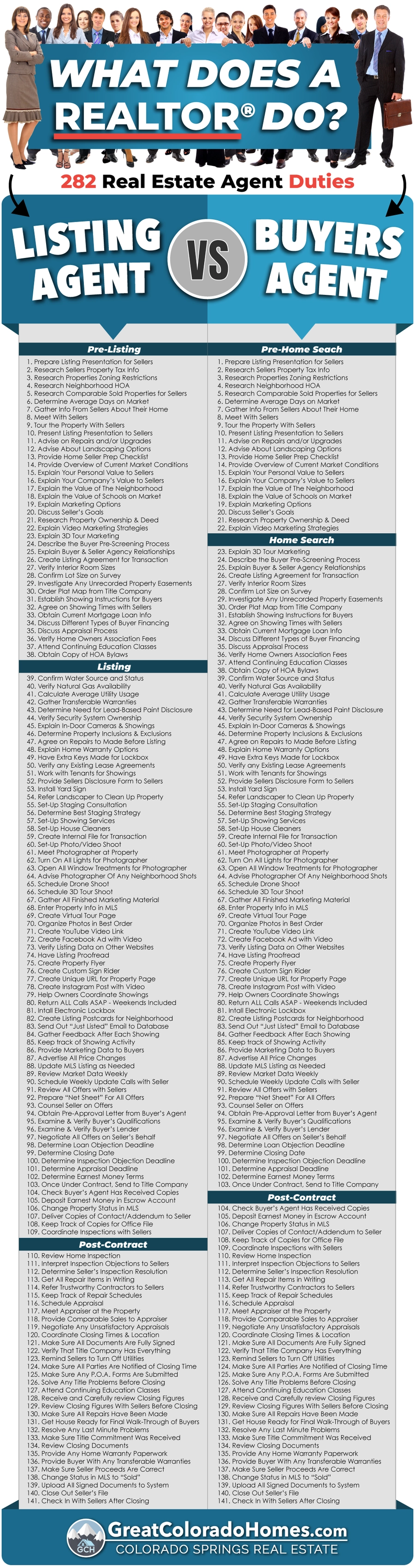
Here's a comprehensive list of all the ways Realtors support their sellers, including many behind-the-scenes efforts to make your home-selling journey as smooth and stress-free as possible.
90 Things Realtors Do for Sellers
- Prepare Listing Presentation for Sellers
- Research Sellers Property Tax Info
- Research Comparable Sold Properties for Sellers
- Determine Average Days on Market
- Gather Info From Sellers About Their Home
- Meet With Sellers at Their Home
- Get To Know Their Home
- Present Listing Presentation
- Advise on Repairs and/or Upgrades
- Provide Home Seller To-Do Checklist
- Explain Current Market Conditions
- Discuss Seller’s Goals
- Share Your Value Proposition
- Explain the Benefits of Your Brokerage
- Present Your Marketing Options
- Explain Video Marketing Strategies
- Demonstrate 3D Tour Marketing
- Explain Buyer & Seller Agency Relationships
- Describe the Buyer Pre-Screening Process
- Create Internal File for Transaction
- Get Listing Agreement & Disclosures Signed
- Provide Sellers Disclosure Form to Sellers
- Verify Interior Room Sizes
- Obtain Current Mortgage Loan Info
- Confirm Lot Size from County Tax Records
- Investigate Any Unrecorded Property Easements
- Establish Showing Instructions for Buyers
- Agree on Showing Times with Sellers
- Discuss Different Types of Buyer Financing
- Explain Appraisal Process and Pitfalls
- Verify Home Owners Association Fees
- Obtain a Copy of HOA Bylaws
- Gather Transferable Warranties
- Determine Need for Lead-Based Paint Disclosure
- Verify Security System Ownership
- Discuss Video Recording Devices & Showings
- Determine Property Inclusions & Exclusions
- Agree on Repairs to Make Before Listing
- Schedule Staging Consultation
- Schedule House Cleaners
- Install Electronic Lockbox & Yard Sign
- Set-Up Photo/Video Shoot
- Meet Photographer at the Property
- Prepare Home For Photographer
- Schedule Drone & 3D Tour Shoot
- Get Seller’s Approval of All Marketing Materials
- Input Property Listing Into The MLS
- Create Virtual Tour Page
- Verify Listing Data on 3rd Party Websites
- Have Listing Proofread
- Create Property Flyer
- Have Extra Keys Made for Lockbox
- Set-Up Showing Services
- Help Owners Coordinate Showings
- Gather Feedback After Each Showing
- Keep track of the Showing Activity
- Update MLS Listing as Needed
- Schedule Weekly Update Calls with Seller
- Prepare “Net Sheet” For All Offers
- Present All Offers to Seller
- Obtain Pre-Approval Letter from Buyer’s Agent
- Examine & Verify Buyer’s Qualifications
- Examine & Verify Buyer’s Lender
- Negotiate All Offers
- Once Under Contract, Send to Title Company
- Check Buyer’s Agent Has Received Copies
- Change Property Status in MLS
- Deliver Copies of Contact/Addendum to Seller
- Keep Track of Copies for the Office File
- Coordinate Inspections with Sellers
- Explain Buyer’s Inspection Objections to Sellers
- Determine Seller’s Inspection Resolution
- Get All Repair Agreements in Writing
- Refer Trustworthy Contractors to Sellers
- Meet the appraiser at the Property
- Negotiate Any Unsatisfactory Appraisals
- Confirm Clear-to-Close
- Coordinate Closing Times & Location
- Verify Title Company Has All Docs
- Remind Sellers to Transfer Utilities
- Make Sure All Parties Are Notified of Closing Time
- Resolve Any Title Issues Before Closing
- Receive and Carefully Review Closing Docs
- Review Closing Figures With Seller
- Confirm Repairs Have Been Made
- Resolve Any Last Minute Issues
- Attend Seller’s Closing
- Pick Up Sign & Lock Box
- Change Status in MLS to “Sold.”
- Close Out Seller’s File With Brokerage
Listing Agent Summary
These are a few of the many tasks a real estate agent performs for a seller. Listing agents may not be paid until many months after their first meeting with their clients. The journey of selling a client's home is long and tedious. Sellers tend to get emotional during the home-selling process. Listing agents have to work hard to keep their clients calm and trust the process.
Here's an informative checklist of the duties and responsibilities that both buyer and seller Realtors handle daily. If you work in real estate, feel free to share this on your social media to let people know how detailed the job is.