New - 2 Days Ago

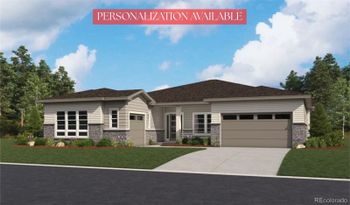

$1,034,060
Active
3
Beds
3
Baths
3033
Sqft
0.21
Acres
1204 Oleander St, Castle Rock, CO 80109
MLS#: 2017198





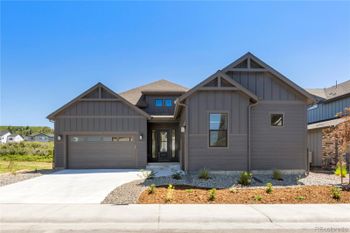


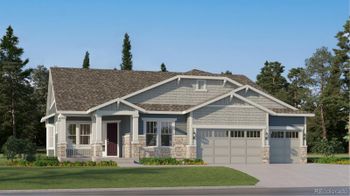


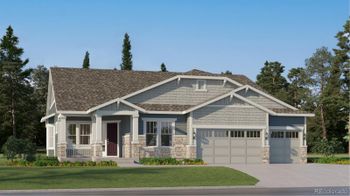

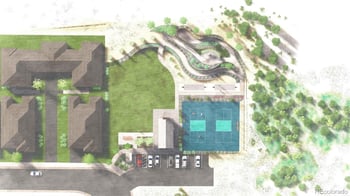



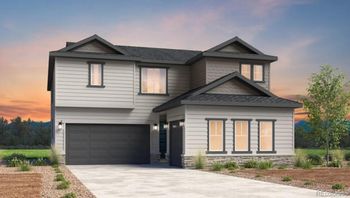




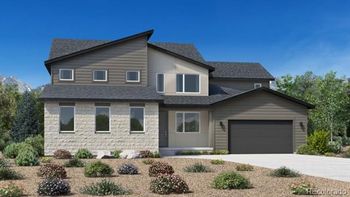


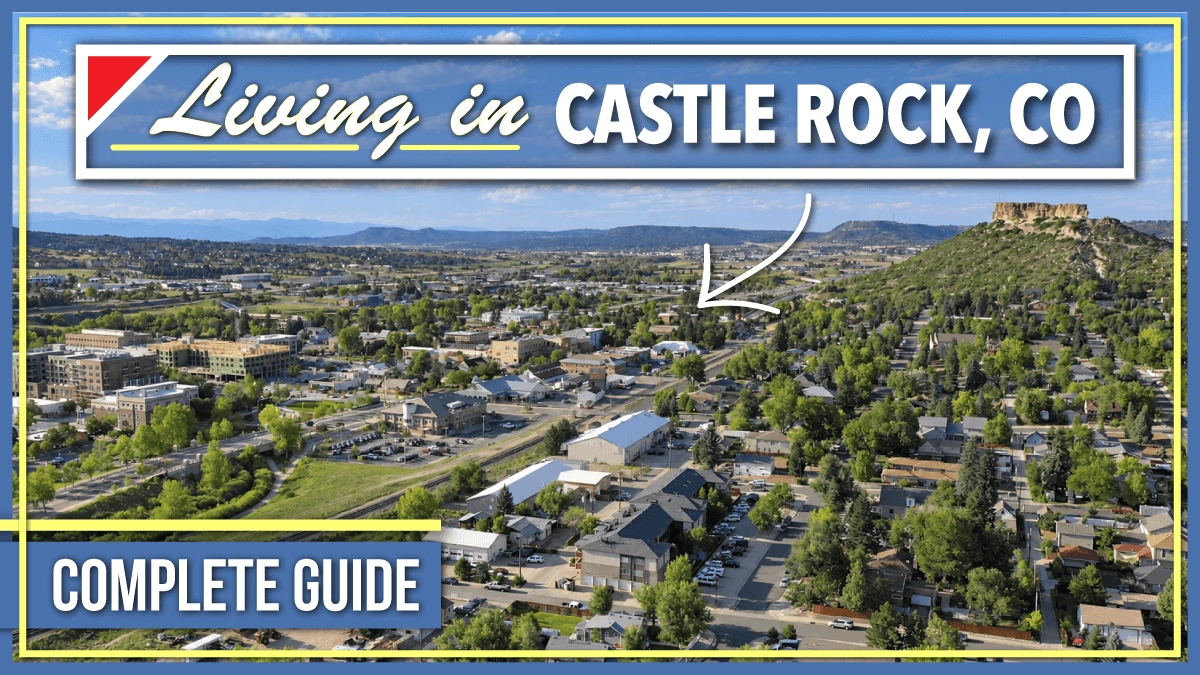
Picking a new construction home in Castle Rock starts with two decisions. You have to choose a side of town that fits your commute and daily life, then buy from the builder in a way that actually protects you. The listings above show what is available. My job here is to explain how the communities differ and how the new-build process really works so you do not learn expensive lessons later.
When buyers ask me where to start, I usually split Castle Rock new construction into a north and south conversation.
On the north side, Macanta, Montaine, and The Meadows offer faster access to I-25 for commutes to Denver. If you are driving north most days, those on-ramps matter more than people expect. Mornings and evenings feel very different when you skip a few extra lights.
North communities also tend to sit closer to existing retail, restaurants, and services. You feel more built-out. Traffic patterns are more predictable, even when traffic is heavier. On tours, buyers who want shorter drive times to Denver Tech Center or downtown Denver usually lean north without much debate.
South Castle Rock feels more open and still in progress. Crystal Valley offers dramatic hillsides and expansive views of the sky. Dawson Trails sits even farther south and will add thousands of homes and commercial space over time. Right now it feels quieter, but you can already see the grading and roadwork that signal what is coming.
The lot feel also changes between the two. Montaine and parts of Macanta often attract buyers seeking more natural open space and premium views, even if it means a higher metro-district tax bill. Crystal Valley and future Dawson Trails sections have steep grades in places, which are great for walkout basements and views, but they raise questions about drainage and retaining walls, which we will discuss later.
I like to frame it this way. If daily convenience and a northbound commute matter most, look closely at The Meadows, Montaine, and Macanta. If you want a newer south corridor with big plans ahead, Crystal Valley and Dawson Trails deserve a serious look.
Dawson Trails changes the conversation on the south side. That community is approved for 5,850 homes, more than 2,000 acres, and about 3.2 million square feet of commercial space, according to the Dawson Trails documents. The same plan funds a full-movement I-25 and Crystal Valley Parkway interchange that is projected to open in Spring 2027.
For buyers picking a south-side lot today, this does two things.
First, it shortens the mental distance to jobs and shopping. Once the Crystal Valley Parkway interchange opens, you will not have to backtrack north to an older on-ramp. Right now, buyers sometimes worry that the south feels too far out. I tell them to picture that new interchange and what the drive will look like in a couple of years, not only today.
Second, Dawson Trails will bring significant change over time. Thousands of homes and large commercial areas mean more traffic, more services, and more activity. If you want a quiet edge-of-town feel forever, you need to look at an exact spot on the map and how close it sits to the main commercial nodes and collector roads inside Dawson Trails.
On some of my south-side tours, I point out where future commercial corners and major internal roads are mapped, so buyers do not accidentally back their new home to what later becomes a busy connector. The biggest mistake buyers make in a huge master-planned community like this is focusing only on the first phase and forgetting what the full 20-year buildout will feel like.
Most newer Castle Rock communities use metropolitan districts to fund roads, utilities, and amenities. A metro district is a special taxing district that can issue bonds and repay the debt through a property tax mill levy that is added to your normal Douglas County property taxes. Studies of Colorado special districts show that, in some districts, up to 62% of a homeowner's total mill levy can go toward developer infrastructure debt.
That is a big deal for your monthly payment. Two homes can have similar prices but very different tax bills. If one sits in a metro district with a high mill levy, the mortgage payment plus taxes and insurance may feel like a whole different price bracket.
Builders and lenders usually estimate taxes in the payment summary, but I do not rely on those alone. We look up the actual metro district service plans and current mill levies, then run side-by-side estimates for different communities. The mill levy can matter as much as the sticker price.
Castle Rock also changed its water development fees in June 2026, moving to a square-footage model. Smaller homes under 2,000 square feet pay around $21,750 in water system fees, while very large homes near 8,000 square feet are closer to $59,657. The town uses those fees to fund renewable water projects. That cost is embedded in the price of new construction but still affects how builders price different plans in a community.
If you are considering a larger floor plan or extra finished space, those water-fee brackets can explain why the price jump feels steep. We talk through that before you fall in love with a plan that pushes you into a higher cost tier.
Every new-construction buyer in Castle Rock encounters three basic inventory types: dirt starts, Quick Move-In homes, and spec homes.
A dirt start is a true build-from-scratch. You pick the lot, the floor plan, and most structural options before the builder pours the foundation. The upside is choice. The downside is time. You are usually looking at 8 to 12 months or more, and delays can occur due to weather, trade shortages, or inspections.
Quick Move-In homes are usually 30 to 90 days out. The builder already picked the lot and structural options and is far enough along that the closing window is tight. You get less say in finishes but a much firmer timeline. This can be great if your lease end or home sale has a set date that you cannot move.
Spec homes sit in between. The builder starts them without a buyer, often in popular plans, then releases them for sale once the framing or mechanicals are in place. You might still pick some finishes, but the big decisions are done. In Castle Rock, spec homes often offer the best value because builders want to keep construction moving and may be more flexible on price or concessions, depending on the season.
Different regional and national builders tend to cluster in specific Castle Rock communities, so your available floor plans and finish levels change from neighborhood to neighborhood.
When I help buyers sort these choices, I start with the calendar. If your timing is tight or you are working around a school start, I usually focus on Quick Move-In and spec homes first, then only add dirt starts if you have a long runway and a strong backup plan.
Castle Rock has some real land and construction quirks that buyers do not always hear about in the model home.
One is expansive bentonite clay soils. Regional builders have faced construction-defect litigation in Colorado related to bentonite and improper lot grading. When clay soils get wet, they can swell and move. That movement can crack foundations, stress flatwork, and push water toward basements if the grading is wrong.
For new builds, we look closely at lot grade, drainage paths, and where downspouts and swales direct water. I pay extra attention to walkout basements and hillside lots around Crystal Valley and west-side neighborhoods, where steep slopes and dramatic retaining walls are common. The town of Castle Rock requires that retaining walls in common areas, or walls that cross multiple lots, be owned and maintained by the HOA or the metro district. That means you are not responsible alone; the whole community shares the structural and drainage risks.
I like to stand at the back fence line and ask one simple question. If we get a heavy rain, where does the water want to go? If the answer looks like it's toward the foundation or into a neighbor’s yard that already struggles, we press on grading and drainage fixes before closing. It can kill the transaction if the builder refuses and the risk is too high.
We also discuss schools and boundaries during walkthroughs because buyers often assume their address will lock them into a certain school forever. Douglas County School District assigns schools by address, but the district says boundaries remain fluid due to capacity. Elementary School 50 in the Lyric neighborhood is expected to open around November 2026, which will shift some elementary school assignments in the area.
I always tell buyers to check the current Douglas County School District boundary and any proposed changes right before going under contract, and again before closing, rather than relying on verbal comments inside a model home.
The salesperson in the model home works for the builder. Their job is to protect the builder’s interest, not yours. They can be friendly and helpful and still have that duty.
When I walk into a new construction sales office with buyers, I treat it like any other listing. We register with the builder, but we keep our own agency agreement in place. That changes how the contract, inspections, and final walk-through play out.
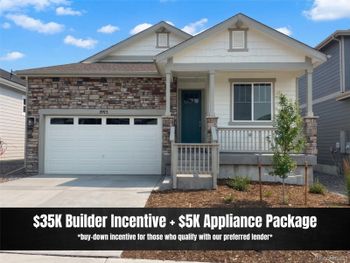
At contract, we look past the glossy brochure and go line by line through deadlines, incentives, preferred lenders, and upgrade sheets. Builders sometimes offer closing-cost help or design-center credits that sound generous but come with conditions. For example, the credit might require using the builder's lender at a specific rate or forgoing other concessions. We map out how those terms affect your total cost and your ability to walk away if major issues show up.
During construction and inspection, we schedule independent inspections at key stages, when the builder allows, such as pre-drywall and final.
Sometimes buyers think a brand-new home does not need an inspection. That is the biggest mistake I see with new builds. New homes can have missing insulation, loose roof flashing, drainage problems, or safety issues just like resale homes, and catching them before closing is much easier than after you move in.At the final walk-through, we bring the inspection report and work through a clear punch list. Scratched windows, damaged trim, incomplete grading, and missing items from the contract all go on that list. I push for written confirmation and dates, not just verbal promises. Builders tend to respond better when they know the buyer has representation and a contract timeline they are willing to enforce.
The goal is not to fight the builder. The goal is to get the home you paid for, with the right protections, while keeping the relationship workable so the builder actually wants to solve problems.
If you are scrolling through Castle Rock new construction homes and trying to decide between the north communities and the south-side growth around Crystal Valley and Dawson Trails, you do not have to figure it out alone. We can compare metro-district taxes, walk lots together to study grading and views, and talk through how future roads and schools will change each area.
When a home and community fit, move quickly, but do it with your own agent at the table. Call my Castle Rock-area office at 720-706-6333 if you want to tour model homes with someone who does this every week. We can start with Castle Rock new builds, then branch into nearby options like Castle Rock townhomes or condos if a lower-maintenance place ends up fitting better.