New - 1 Day Ago

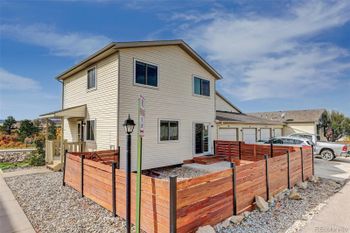

$399,000
Active
3
Beds
3
Baths
1724
Sqft
0.02
Acres
94 Mountain Shadows Ln, Castle Rock, CO 80104
MLS#: 5422460




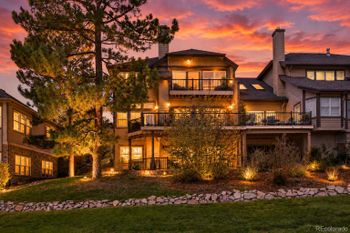


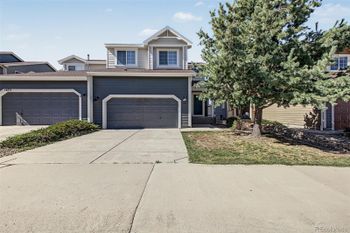


Castle Rock townhomes give buyers a lower maintenance way to live in Douglas County while still feeling like they own a real home instead of an apartment. If you've already scrolled through the Castle Rock townhomes page, this is where I walk through how HOAs, metro districts, and location trade-offs actually play out in real transactions, so you can compare options with a clearer lens.
Townhomes, condos, and single family homes can look similar online, but the way you own them and maintain them is different. That difference shows up in your loan, your insurance, and your monthly costs.
A typical townhome in Castle Rock gives you fee simple ownership of the unit and often a small piece of land under or next to it. Shared walls connect you to neighbors on one or both sides. The HOA usually covers exterior maintenance for shared elements like roofing and siding, as well as common areas. You still carry a lot of responsibility inside the unit, but you don’t mow a large yard or handle many big exterior projects on your own.
Condos in Castle Rock lean more toward shared ownership of the building and common elements, with your unit defined by the interior walls. Insurance and HOA duties change accordingly. On our Castle Rock condos search, you'll see that lenders and insurance carriers sometimes treat condos differently from townhomes, even when they look similar from the street, because the legal descriptions and HOA structures differ.
Detached single family homes give you more control over land, exterior decisions, and modifications, but they also bring higher maintenance. You’re in charge of the roof, siding, large trees, and full yard care unless an HOA or metro district adds some shared services. In Castle Rock, some single family neighborhoods match townhomes on amenities, while others keep dues low and leave most work to individual homeowners.
The 1st thing I do with buyers is confirm whether a listing is legally a townhome or a condo. That small detail can affect loan programs, down payment options, and insurance quotes. The goal is to understand how you own the home before you fall in love with it.
Castle Rock townhomes are usually in at least one HOA, and often in a metro district too. Those two entities set a lot of the rules and costs that shape everyday townhome living.
HOA dues for townhomes often cover exterior maintenance of shared structures, snow removal in common areas, trash service, and sometimes community amenities such as pools or clubhouses. In The Meadows, for example, the community is divided between two master HOAs. Townhome owners under The Meadows Neighborhood Company receive pool access to The Grange and Taft House through their dues, while owners in The Meadows Community Association don’t have that access included. The HOA name on the listing matters because it changes which amenities you actually get.
Metro districts are special taxing districts layered on top of county and town property taxes to fund infrastructure and amenities in specific developments. Founders Village townhomes are subject to a metropolitan district mill levy that pushes the combined property tax rate past 164 mills. That rate is higher than the metro district in The Meadows, which operates on a fixed 35 mill rate. Those numbers mean two similarly priced townhomes can carry very different annual tax bills depending on which district they fall into.
New townhomes in Castle Rock also fall under the ColoradoScape ordinance. Castle Rock Town Ordinance 2022-025 requires HOA covenants for new townhomes permitted after January 1, 2023 to prohibit front yard turf and limit any backyard turf to a maximum of 500 square feet. That rule shifts how outdoor space looks and feels. You’ll see more xeriscaping, rock, mulch, and native plants instead of full grass yards in newer attached projects.
On tours, I pay close attention to how buyers react once we compare HOA dues, metro district taxes, and turf rules between their top three picks. Sometimes the monthly bill and yard expectations take a favorite off the list, even if the interiors looked perfect online.
Townhomes in Castle Rock don’t spread evenly across the map. They cluster in pockets that line up with key corridors, access points, and planned projects. Understanding those clusters helps buyers match their daily routine with the right location.
One major cluster sits around The Meadows, near I-25 and the Factory Shops area. This pocket provides quick interstate access for people commuting north or south, with townhomes interspersed among parks, trails, and retail. It feels like a modern, planned corridor with a lot of attached housing woven into single family streets.
Another cluster runs east in neighborhoods like Founders Village and some of the planned development areas near Crystal Valley Ranch. Castle Rock Town Council Ordinance 2026-001, Amendment No. 7 to the Crystal Valley Ranch Planned Development, rezoned a Land Swap Area into an R-MF-24 Use Area that authorizes high density attached housing such as townhomes. That kind of zoning adds more townhomes over time near the southern approach to town, along corridors that connect back to downtown but sit a short drive away.
Smaller pockets of attached units appear near Wolfensberger Road and Prairie Hawk Drive, where Red Hawk Crossings, a 60 unit build to rent townhome community originally built in 2015, sits at the intersection. That area blends residential townhomes with nearby commercial and future projects like the Brickyard site, which changes how it feels compared to more purely residential parts of town.
When I compare Castle Rock townhomes with buyers, I usually frame the location by two questions. How fast do you need to reach I-25 in normal traffic, and how often do you plan to use downtown Castle Rock for dining, services, and events. Different townhome pockets answer those questions in different ways.
Castle Rock has several active and planned projects that bring more attached housing into the mix. These areas matter for buyers who want newer townhomes or who care about how future development might change traffic, noise, or amenities near their home.
In February 2025, the Castle Rock Town Council approved the Brickyard Planned Development at the former Acme Brick site at 401 Prairie Hawk Drive. The zoning allows a 145,000 square foot sports center and up to 583 multi family units, including townhomes. That scale means a major new destination and a large pool of attached housing near existing corridors like Prairie Hawk and Wolfensberger. Buyers looking at townhomes in that area should consider future traffic patterns, access to the sports center, and how additional nearby units might affect parking and overall activity.
The Crystal Valley Ranch Amendment mentioned earlier is another example. By rezoning a Land Swap Area into an R-MF-24 Use Area, the town authorized high density attached housing such as townhomes in a community that already has planned amenities and established single family sections. As builders start to design townhomes there, buyers can expect newer product, modern floor plans, and ColoradoScape turf rules baked into HOA covenants.
I was surprised to read how quickly these planned developments add up in terms of unit counts when you stack them alongside existing attached housing. On my side of the transaction, I now pay closer attention to how many future units are in the pipeline around a listing, not just what’s already built. It affects long term parking, noise, and resale conversations.
Castle Rock invests heavily in parks, open space, and trails, and that investment shows up in the day-to-day experience of townhome living. Many attached communities sit near trailheads or small neighborhood parks instead of carrying large private yards. That tradeoff works well for buyers who prefer public outdoor space to personal lawn care.
Areas like The Meadows and the corridors toward Crystal Valley Ranch connect into Castle Rock’s broader trail system and open space network. Buyers who like to walk or bike to nearby parks should pull the town’s online maps and overlay them with their saved townhome listings. Seeing exactly how far a unit sits from a trail crossing or a park entrance usually tells more about lifestyle fit than the size of the backyard alone.
Downtown Castle Rock also plays a big role. Some townhome pockets sit a short drive from downtown’s restaurants, shops, and event spaces. Others lean toward quick access to interstate highways instead. I often ask buyers to picture their weekly routine. How often will you drive into downtown in the evening, and how important is walking distance versus easy parking and quick highway access. That picture helps narrow which townhome clusters make sense.
The 1st thing we do before a Castle Rock townhome tour is run through a deal-focused checklist. That early work keeps buyers from getting attached to a property that won’t fit their monthly costs or lifestyle once the details surface.
I start with HOA and metro district data. We check the monthly dues, what they cover, and any upcoming special assessments listed in recent meeting notes or budgets. Insurance, exterior maintenance, and amenity access depend on those documents.
Next, we look at parking and storage. I want to see how many deeded garage spaces and reserved spots the unit has, as well as any guest parking rules. In attached communities, parking can become the daily pain point if we don’t catch it up front. Storage space inside the unit and any exterior storage options also matter for buyers coming from larger single family homes.
Rental rules come next. HOAs in Castle Rock often set minimum lease terms, cap the number of units that can be rented at once, or restrict short term rentals entirely. We check those sections of the covenants so buyers don’t plan on future rental income that the community doesn’t allow.
Then we confirm tax districts. I compare the property's legal description and assessor data to see whether it falls within a metro district, such as the higher mill levy in Founders Village or the lower fixed 35-mill rate in The Meadows. That combined rate feeds into the long term budget conversation.
ColoradoScape turf rules are the last piece for newer townhomes. For attached homes permitted after January 1, 2023, the ordinance requires covenants that prohibit front-yard turf and limit backyard turf to 500 square feet. Buyers who want grass for pets or kids need to see how the builder and HOA interpreted that rule in practice.
The biggest mistake buyers make is waiting to read HOA and metro district documents until after they fall in love with the kitchen. By front-loading that work, we keep the transaction alive and avoid surprise costs that can kill financing or sour the relationship with the seller.
Townhome HOAs here commonly handle exterior maintenance for shared elements such as roofs, siding, and common-area landscaping, but the exact coverage varies by community. Some HOAs charge higher dues for more services, while others keep dues lower and place more responsibility on individual owners. We always review the covenants and budgets for each listing to see which model it follows.
Metro districts add their own mill levy on top of county and town property taxes. In Founders Village, the combined rate exceeds 164 mills, while The Meadows metro district operates at 35 mills. The difference shows up in your annual tax bill and your escrow payment. Two townhomes with similar list prices can carry noticeably different monthly costs depending on their district.
Shared walls increase the potential for noise from neighbors compared to a detached home, but design and construction quality make a big difference. I look at party-wall construction, building age, and how units are staggered along the street. End units and buildings that step back from main roads often feel quieter, while build to rent communities near busy corridors may carry more everyday activity. We talk through those tradeoffs on tours.
Many townhome HOAs allow long term rentals but set minimum lease terms or cap the percentage of units that can be rented. Some communities restrict short term rentals entirely. Before buyers factor rental income into their plans, we review the rental sections of the covenants and align them with lender requirements and the buyer’s timeline.
Townhomes in Castle Rock usually give more private entrances, attached garages, and small outdoor spaces than most condos, with less land and maintenance than single family homes. HOA dues and metro district taxes trade some personal control for shared services and amenities. For buyers who want a lower maintenance lifestyle but still care about feeling like they own a home, townhomes sit in a sweet spot.
Our team at Great Colorado Homes spends a lot of time in Castle Rock townhome communities, sorting through HOA structures, metro district taxes, and the way each pocket feels on the ground. I look at how buyers react in real transactions and adjust the search to match the financial and lifestyle fit, not just the square footage and finishes.
If you’re comparing Castle Rock townhomes to other Douglas County options or trying to understand how new projects like the Brickyard Planned Development and Crystal Valley Ranch changes might affect your decision, I’m happy to walk through it with you. We can pull your favorite listings from the Castle Rock townhomes search, compare them to nearby Castle Rock condos or Castle Rock new construction options, and narrow them down based on the deal mechanics that matter.
If you want help sorting through specific Castle Rock townhome communities and avoiding the surprises that can kill a good transaction, call Great Colorado Homes at 720-706-6333. I write all of this myself and apologize for any typos, but the goal is simple. Help you buy the right Castle Rock townhome with eyes wide open on the costs, rules, and location tradeoffs.